Baby-Proofing Your Home: What to Do First (and What Can Wait)
A room-by-room guide to making your home safe for a crawling baby, with the stuff that actually matters and the things you can skip.
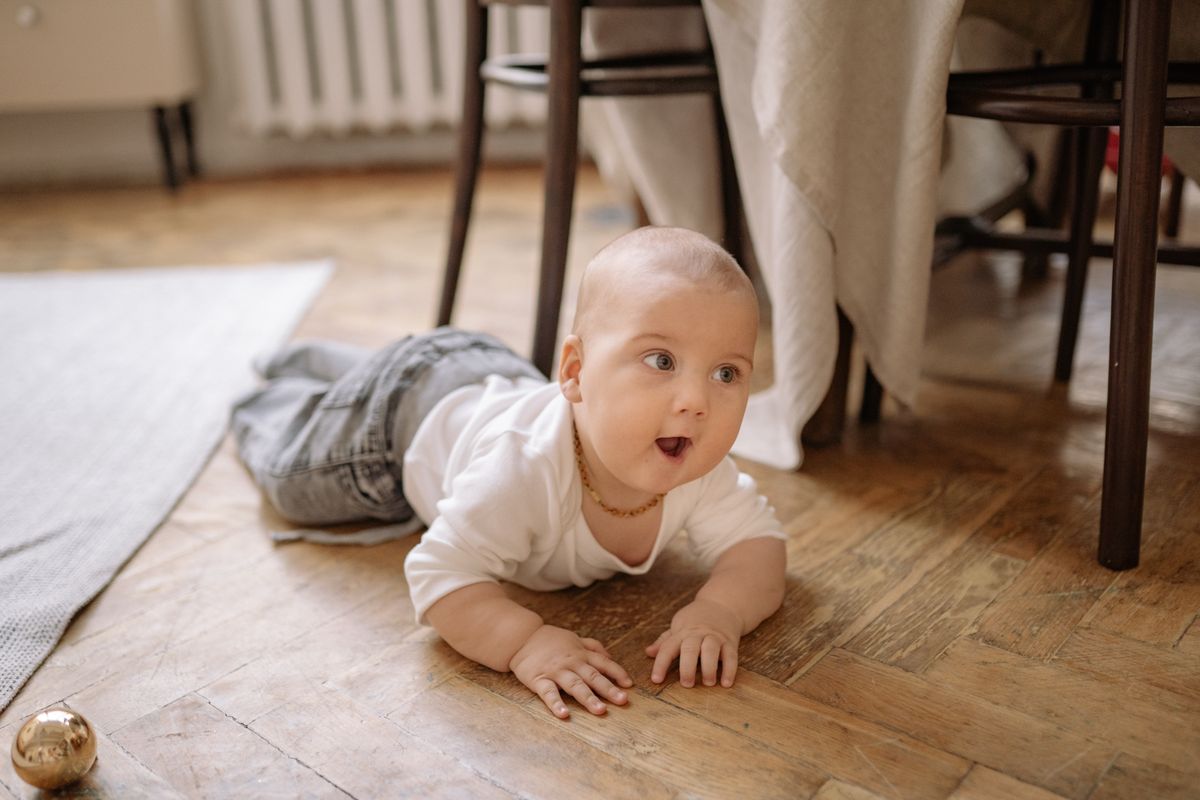
You know that moment when your baby, who has spent months being a perfectly stationary bundle of cuddles, suddenly figures out how to move? One day they are lying on a play mat batting at a dangling star. The next, they are halfway across the kitchen floor making a beeline for the cat bowl. And you are standing there thinking: oh. We should probably do something about the house.
Baby-proofing can feel overwhelming if you try to do everything at once. The internet will cheerfully hand you a 47-point checklist that makes your perfectly normal home sound like an obstacle course designed by a Bond villain. But here is the truth: you do not need to do it all, and you definitely do not need to do it all today. Some things genuinely matter. Others can wait. And a few are not worth bothering with at all.
So grab a cuppa, take a breath, and let us walk through it room by room. 🏠
When Should You Start?
The sweet spot is around five to six months, just before most babies start rolling, shuffling, and commando-crawling their way into trouble. If your baby is already on the move and you have not started yet, do not panic. You have not failed. You are just operating on baby time, which is the only time zone that matters.
The key is to get on the floor. Literally. Get down on your hands and knees and look at your home from your baby's eye level. You will be amazed at what suddenly becomes visible: trailing cables, wobbly side tables, that tempting gap behind the sofa where a small human could wedge themselves beautifully.
The Stuff That Actually Matters
Not everything on those giant checklists deserves your attention equally. Here are the things worth sorting out first, because they address the most common risks for crawling babies and new walkers.
Stairs
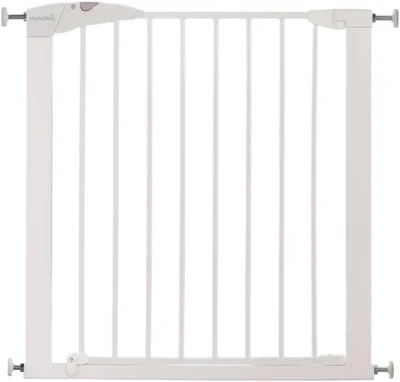
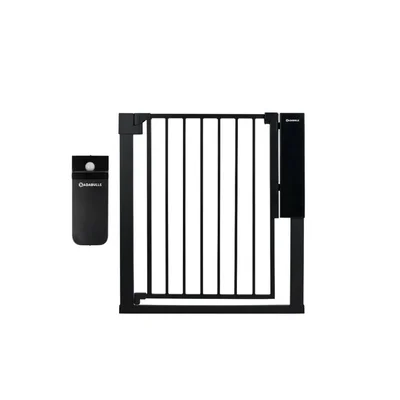
If you have stairs, this is the big one. A pressure-fit stair gate at the top and bottom of every staircase is non-negotiable once your baby is mobile. Top-of-stairs gates should ideally be wall-mounted for extra security, but a good pressure-fit gate works brilliantly at the bottom.
Look for a gate that opens easily with one hand (you will be carrying a baby or a laundry basket in the other) and that swings shut behind you. The ones that need two hands and a maths degree to operate will drive you quietly mad within a week.
Plug sockets
Babies are magnetically drawn to plug sockets. It is like a law of nature. UK sockets do have built-in shutters, which means they are already safer than sockets in many other countries. But if you want peace of mind, especially if you have older sockets or ones that see heavy use, a pack of socket covers takes about thirty seconds to fit and costs almost nothing.
Furniture anchoring
This one does not get talked about enough. Once your baby starts pulling themselves up to stand (usually around eight to ten months), every bookshelf, chest of drawers, and TV unit becomes a potential tipping hazard. Furniture tip-over is one of the most serious risks for mobile babies and toddlers, and it is one of the easiest to prevent.
Most flat-pack furniture comes with wall anchoring straps in the box. If yours are still in the bag of screws you shoved in a drawer, now is the time to dig them out. A cordless drill and ten minutes is all it takes. Prioritise anything in the nursery or living room that your baby could grab and pull.
Kitchen and bathroom
The kitchen is essentially a baby theme park full of things they should not touch. Cleaning products under the sink, the oven door, sharp utensils in low drawers, the bin. A few simple magnetic cupboard locks on the cabinets that contain anything dangerous will sort out most of the risk. You do not need to lock every single cabinet, just the ones with cleaning products, medicines, sharp objects, or small items that could be a choking hazard.
In the bathroom, keep medicines and toiletries out of reach (a high shelf or locked cabinet), and never leave water in the bath unattended. A non-slip bath mat is a good idea once your baby is sitting up in the tub.
Blind cords and cables
Looped blind cords are a strangulation risk. If you still have old-style blinds with looped pull cords, either replace them with cordless blinds or fit cord cleats high up on the wall to keep the cords permanently out of reach. This is genuinely important and worth doing before anything else on this list.
Trailing electrical cables are another magnet for curious hands. Cable tidies, cord covers, or simply rerouting cables behind furniture will keep them out of sight and out of reach.
Room by Room: A Quick Guide
Living room
- Anchor bookshelves and TV units to the wall
- Move breakable ornaments and houseplants out of reach
- Cover sharp table corners if you have glass or hard-edged furniture
- Tidy away remote controls and small objects (batteries are a serious hazard if swallowed)
- Check for gaps behind or between sofas where a baby could get stuck
Kitchen
- Fit magnetic locks on cupboards with cleaning products or sharp objects
- Use the back burners on the hob and turn pan handles inward
- Keep the kettle and its cord pushed well back from the counter edge
- Consider a gate across the kitchen doorway if your layout allows it
Bathroom
- Store medicines and toiletries out of reach
- Never leave water in the bath
- Fit a non-slip mat in the tub
- Keep the toilet lid down (yes, they will try to play in it)
Bedrooms
- Anchor chests of drawers and wardrobes
- Make sure the cot meets current safety standards and is free from loose bedding, toys, and bumpers
- Keep small items like coins, jewellery, and hair ties off bedside tables
Hallways and stairs
- Fit stair gates top and bottom
- A motion-sensor night light in the hallway is brilliant for those midnight trips to the nursery, and later for a toddler who starts wandering at night
What Can Honestly Wait
Baby-proofing is not a one-and-done job. Your baby's abilities change every few weeks, and what they can reach today is not what they will be reaching for next month. So do not stress about doing absolutely everything upfront. Here is what you can park for now:
Toilet locks. Most babies are not tall enough to lift a toilet lid for months yet. You have time.
Oven door guards. These are useful once your toddler is walking confidently and spending time in the kitchen, but a crawling baby is unlikely to be pulling open the oven door.
Drawer locks on every drawer. Lock the dangerous ones (knives, cleaning products, medicines) and leave the rest. A drawer full of plastic containers or tea towels is actually a brilliant free toy for a curious baby. Let them explore the safe stuff.
Full garden baby-proofing. Totally irrelevant until your baby is mobile outdoors, which is usually well after their first birthday. Cross that bridge later.
What You Can Skip Entirely
Some baby-proofing products exist purely to fuel parental anxiety. You do not need padded wall covers. You do not need a special baby-proof bin (just move the bin or get one with a pedal). You do not need to buy a complete "baby-proofing kit" full of items you will never use. Buy what you actually need, one room at a time, and save your money for the stuff that matters. 💛
The Mindset That Actually Helps
Here is the thing nobody tells you about baby-proofing: it is not about making your home perfectly safe. That is impossible, and the attempt will send you round the bend. It is about removing the serious dangers so that your baby can explore freely without you hovering over them every second.
A certain amount of bumps, tumbles, and minor discoveries (yes, they will find the one crumb under the sofa that you missed) is completely normal and actually healthy. Babies learn by exploring, and a home that has been sensibly baby-proofed gives them the freedom to do that while keeping the genuinely dangerous stuff out of reach.
Start with the big things: stairs, sockets, furniture anchoring, blind cords. Add the room-specific bits as your baby gets more mobile. And remember that the best baby-proofing tool you have is supervision. No product replaces a parent who is paying attention.
You have got this. And your baby? They are going to have an absolute blast exploring every corner of their newly safe home.
Ready to start your baby wishlist? Create your BubsNest registry and add the safety essentials your family actually needs.
Ready to Create Your Baby Registry?
Start your free baby registry today and share it with friends and family.
Get Started Free