Baby Sleep Environment: Night Lights, Blackout and Getting the Room Just Right
The right light, temperature and sound setup in your nursery can make the difference between a baby who settles and one who fights sleep all night. Here is how to get each element right.
You have painted the walls, built the cot, washed all those tiny sleepsuits, and now you are standing in the nursery at 9pm wondering: is this room actually set up for sleep? Because there is a surprising amount of science behind what makes a baby drift off easily, and most of it has nothing to do with how pretty the room looks.
Light, temperature and sound are the three things that matter most when it comes to your baby's sleep environment. Get those right and you are giving yourself the best possible chance of longer stretches. Get them wrong and, well, you will feel it at 2am. 🌙
Here is the practical guide to each one, with no fuss and no expensive gadgets required (though a couple of genuinely useful ones do exist).
Darkness: Darker Than You Think
Babies produce melatonin, the sleep hormone, in response to darkness, just like adults do. The difference is that their systems are still developing, so even a small amount of light can interfere with that process.
For naps and bedtime, you want the room as dark as possible. We are talking "hold your hand in front of your face and struggle to see it" dark. Not dim, not dusky, properly dark. If sunlight is creeping around the edges of your curtains or the streetlight outside is casting an orange glow across the ceiling, your baby's brain is getting mixed signals about whether it is time to sleep.
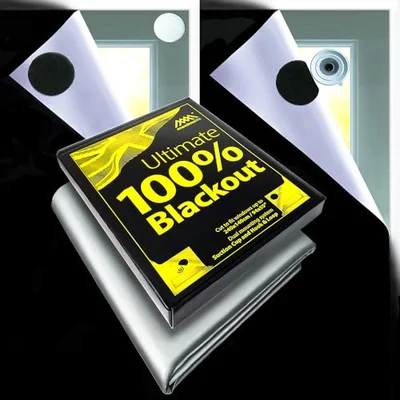
The easiest fix? A portable blackout blind that suctions directly to the window glass. These block light far more effectively than curtains because there are no gaps at the edges. They are also brilliant for travel, for the grandparents' house, and for those long summer evenings when the sun does not set until after 9pm.

One tip from parents who have been through it: do the darkness test at different times of day. A room that seems dark at 7pm might be flooded with light at 6am, and early morning wake-ups are one of the most common sleep complaints in the first year.
Temperature: The Goldilocks Zone
The recommended room temperature for a sleeping baby is between 16 and 20 degrees Celsius. That feels surprisingly cool to most adults, especially if you are used to cranking the heating up in winter. But overheating is a genuine safety concern, and babies regulate their temperature less efficiently than we do.
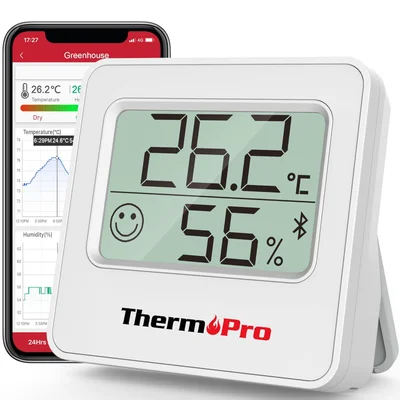
You do not need to obsess over hitting exactly 18 degrees. What matters is that you can check the temperature at a glance and adjust what your baby is wearing accordingly. A room thermometer takes the guesswork out of it completely.
A quick rule of thumb for dressing your baby for sleep:
- Below 16°C: a long-sleeved vest, a sleepsuit, and a 2.5 TOG sleeping bag
- 16 to 20°C: a sleepsuit and a 2.5 TOG sleeping bag (drop the vest at the warmer end)
- 20 to 22°C: a sleepsuit and a 1.0 TOG sleeping bag
- Above 22°C: just a vest or a sleepsuit with a 0.5 TOG bag or a thin sheet
Check the back of your baby's neck or chest to gauge temperature. Hands and feet are often cool, which is completely normal and not a sign that they are cold.
What They Wear: Sleeping Bags Over Blankets
This connects directly to temperature, so it belongs here. Loose blankets and duvets are not recommended for babies under twelve months because they can bunch up and cover your baby's face. A well-fitted sleeping bag is the safest, simplest option. It stays in place, keeps your baby at a consistent temperature, and means you do not need to worry about blankets being kicked off at midnight.
Look for the right TOG rating for the season and your room temperature. Having two on rotation means you always have a clean one ready for the inevitable middle-of-the-night situation.
Sound: The Case for White Noise
Here is something that surprises a lot of new parents: the womb is loud. Really loud. About as loud as a vacuum cleaner running constantly. Your baby has spent nine months surrounded by the rhythmic whooshing of blood flow, the muffled thump of your heartbeat, and the constant background hum of your body doing its thing.
Then they are born into a quiet room and expected to sleep in silence. From their perspective, the silence is the strange part.
White noise works because it recreates that familiar background sound. It also helps mask household noises, the doorbell, the dog barking, an older sibling doing their best impression of a fire engine, that might otherwise jolt your baby awake during lighter sleep phases.
You do not need anything expensive. A free app on an old phone works perfectly well. But if you want something dedicated that does not drain your phone battery or buzz with notifications mid-nap, a purpose-built sleep aid is worth considering. Some double as a soft nightlight and a cuddly toy, which makes them comforting for older babies too.
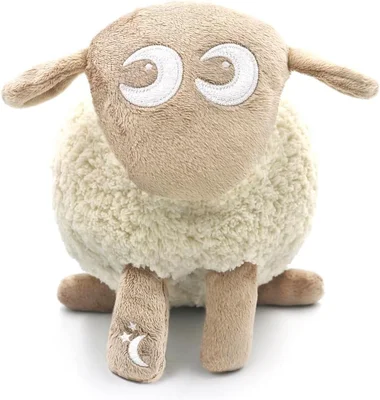

A few white noise ground rules:
- Keep the volume below 50 decibels (roughly the level of a quiet conversation)
- Place it at least a metre from the cot, never inside it
- Continuous noise works better than sounds that stop and start
- You do not need to use it forever, most families naturally phase it out as their baby gets older
Night Lights: Less Is More
This is where most nurseries go wrong. A bright, colourful night light might look adorable, but it works against everything we just said about darkness. If the light is bright enough to read by, it is too bright for sleep.
For nighttime feeds and nappy changes, you want the dimmest possible light source, ideally with a warm amber or red tone. Blue and white light suppress melatonin production, which is exactly what you do not want at 3am when you are trying to keep everyone in sleep mode.
The best approach is a dim, warm-toned light that you can switch on quickly without fumbling, and switch off again without it waking the baby further. Some room thermometers include a gentle glow function that works perfectly for this.
Putting It All Together
The sleep environment checklist is genuinely short:
- Room as dark as possible (blackout blind, check for light leaks)
- Temperature between 16 and 20°C (room thermometer, dress accordingly)
- Baby in a sleeping bag, not under loose blankets
- White noise at a safe volume if it helps your baby settle
- Night light warm-toned and dim, only on when you need it
- Nothing in the cot except a fitted sheet and your baby
That is it. No expensive furniture, no themed decor, no gadgets that promise to solve sleep forever. Just the right conditions for your baby's brain to do what it already wants to do: switch off and rest.
Every baby is different, and what works brilliantly for one might not suit another. But these environmental basics give you the strongest foundation. Everything else, the routines, the settling techniques, the gentle rocking, builds on top of a room that is actually set up for sleep. 💤
Building your nursery wishlist? Create your Nest and add the sleep essentials that make a real difference.
Ready to Create Your Baby Registry?
Start your free baby registry today and share it with friends and family.
Get Started Free