Baby Swimming: Everything You Need to Know Before That First Splash
From the right age to start to what to pack in your swim bag, here is your relaxed guide to baby swimming classes and pool sessions.
Babies are born with something called the diving reflex. Dip their face near water and their body instinctively holds its breath, slows the heart rate, and moves their little limbs. It sounds like a party trick, but it is genuinely one of the most fascinating things the human body does, and it starts to fade around six months old.
Which is one of the reasons so many parents decide to get into the pool early. Not to train a future Olympic swimmer (although, who knows), but because baby swimming is one of those rare activities that is brilliant for development, deeply bonding, and actually really fun. Yes, even the changing room bit. Sort of.
When Can You Actually Start?
You can take your baby swimming from birth, technically. Most pools welcome newborns, and you do not need to wait for vaccinations to be complete before entering a chlorinated pool. That is a myth that refuses to die. 🏊
That said, most parents find the sweet spot is somewhere between eight and sixteen weeks. By then, you have probably emerged from the fog of the first month, your baby has a bit more head control, and you might actually feel ready to leave the house in swimwear. No rush, though. Babies who start at six months get just as much out of it.
The one thing to check is the water temperature. Babies lose body heat quickly, so the pool should be at least 30°C for babies under twelve weeks and at least 32°C for newborns. Most baby swim schools use hydrotherapy pools or warm teaching pools, which tend to sit around 32-34°C. Your local leisure centre's main pool is usually around 28°C, which is fine for babies over three months but might feel chilly for a younger one.
What to Pack in Your Swim Bag
Here is your actual swim bag checklist, without the eighteen unnecessary extras that "ultimate packing lists" love to throw in.
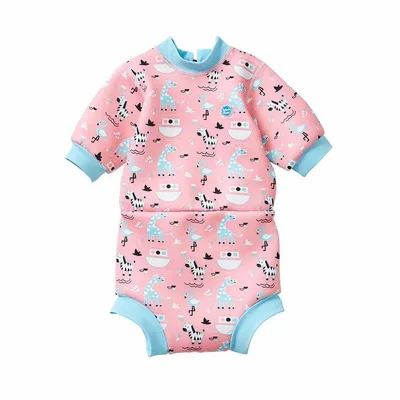
- A swim nappy - non-negotiable. Every pool requires one. You can use disposable swim nappies (they do not swell up in water like regular nappies) or a reusable one. Many pools ask for a double layer: a reusable nappy plus a neoprene cover, or a wetsuit-style swim nappy that does both jobs.
- A warm layer - a baby wetsuit or neoprene wrap keeps them toasty in the water and makes the whole experience far more comfortable
- A large towel or poncho - for wrapping them up the moment you get out, because the poolside-to-changing-room walk is where the screaming tends to happen
- A spare regular nappy and vest - for afterwards
- A feed - bottle or plan to breastfeed after the session. Swimming is hungry work
- Your own swimwear and a towel - easily forgotten when you are packing for the baby
A wetsuit-style swim nappy is honestly the best investment here. It replaces two separate items (swim nappy plus warm layer), dries quickly, and most babies tolerate them well because the neoprene feels snug rather than restrictive.
Finding the Right Class (or Going Solo)
You have two options: a structured baby swim class or just rocking up to your local pool during a public session.
Baby swim classes are led by a qualified instructor and usually run in small groups of six to ten parent-and-baby pairs. They follow a progressive curriculum (songs, gentle submersions, floating, kicking) and the water is typically warmer. Brands like Water Babies, Puddle Ducks, and Turtle Tots operate across the UK. Expect to pay between £12 and £18 per session, usually booked in termly blocks.
The big advantage of classes is confidence. If you are nervous about taking your baby in the water (completely normal, by the way), having an instructor guide you through every hold and movement makes a massive difference. Plus the social side is lovely. Chatting to other slightly terrified parents in a warm pool is surprisingly bonding.
Public sessions are cheaper and more flexible. Most leisure centres run parent-and-baby slots or family swim sessions. You set the pace, stay as long or as short as you like, and can go at whatever time suits your baby's routine. The downside: the water is cooler, it can be noisier, and you are on your own for technique.
Either route works. Plenty of babies thrive on public sessions alone. Classes are a nice-to-have, not a must.
What Actually Happens at a Baby Swim Session
If you have never been, here is roughly what to expect from a typical class.
You will get in the pool holding your baby, usually in a front hold (facing you, your hands under their arms). The instructor will lead the group through a series of activities, generally lasting about thirty minutes. There will be singing. Quite a lot of singing. 🎶
Early sessions focus on water confidence: gentle splashing, floating on their back with your support, moving through the water in different positions. As babies get older and more comfortable, classes introduce brief submersions (a quick, controlled dip under the surface), kicking against the wall, and reaching for toys.
The first few sessions might feel underwhelming. Your baby might just stare at the ceiling. They might cry. They might fall asleep (yes, really). All of this is normal. By about week four or five, most babies start to visibly enjoy it, splashing with purpose, kicking their legs, and grinning at the other babies.
Tips for a Smooth First Session
Time it around feeds, not between them. A baby who last ate two hours ago will be too hungry to enjoy themselves. Feed about an hour before, so they are comfortable but not on a full stomach. Some parents find a small top-up feed about twenty minutes before works best.
Arrive early. The changing room juggle is real, and you do not want to be wrestling a wriggling baby into a swim nappy while the class has already started. Give yourself a good twenty minutes to get changed and settled.
Expect the unexpected. Babies do wee in the pool (that is what swim nappies are for). They sometimes poo in the pool (the swim nappy should catch it, but occasionally it does not, and life goes on). They might scream for the first three sessions and then suddenly love it. They might love it immediately. You genuinely cannot predict it.
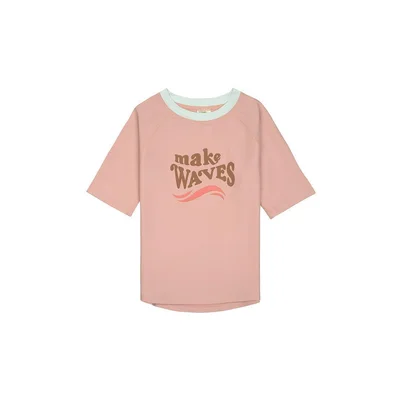
If you are swimming outdoors or at a lido during summer, UV protection matters. A rash vest or rashguard with UPF50+ keeps their skin safe without the hassle of waterproof suncream that slides off in the water anyway.
After the Pool: The Post-Swim Routine
Babies get cold quickly once they are out of the water, so speed matters here. Have your towel or poncho ready to wrap them the second you climb out. A hooded poncho is brilliant for this because it covers their head (where most heat escapes) and stays put while you deal with your own dripping situation.
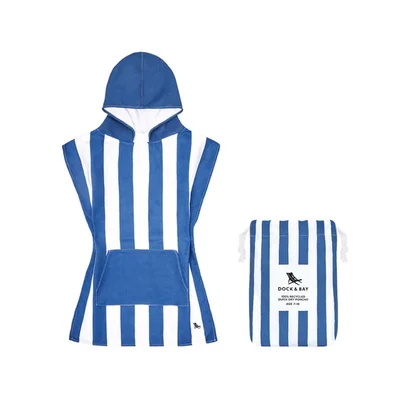
Most babies are absolutely ravenous after swimming. Have a feed ready to go immediately. It is also completely normal for them to sleep like a dream after a swim session. In fact, "swimming day naps" are one of the best-kept secrets in parenting. You are welcome.
Rinse their skin with fresh water after the pool if you can. Chlorine is not harmful in the quantities found in pools, but it can dry out baby skin, especially if they are prone to eczema. A quick rinse and a gentle moisturiser afterwards sorts it.
Is It Worth It?
The benefits of baby swimming go beyond just learning to be safe in water (although that alone is reason enough). Regular swimming builds core strength, improves coordination, supports sensory development, and gives babies a type of full-body movement they simply cannot get on land. It also builds water confidence that sticks. Children who swam as babies tend to be more comfortable and capable in the water as they grow.
But honestly? The real reason most parents keep going is simpler than all of that. It is thirty minutes of being completely present with your baby, no phones, no distractions, just you and them in the water together. And that is pretty special.
Ready to add swim gear to your wishlist? Pop it on your BubsNest registry so family and friends can help kit you out for those first pool sessions. 💛
Ready to Create Your Baby Registry?
Start your free baby registry today and share it with friends and family.
Get Started Free