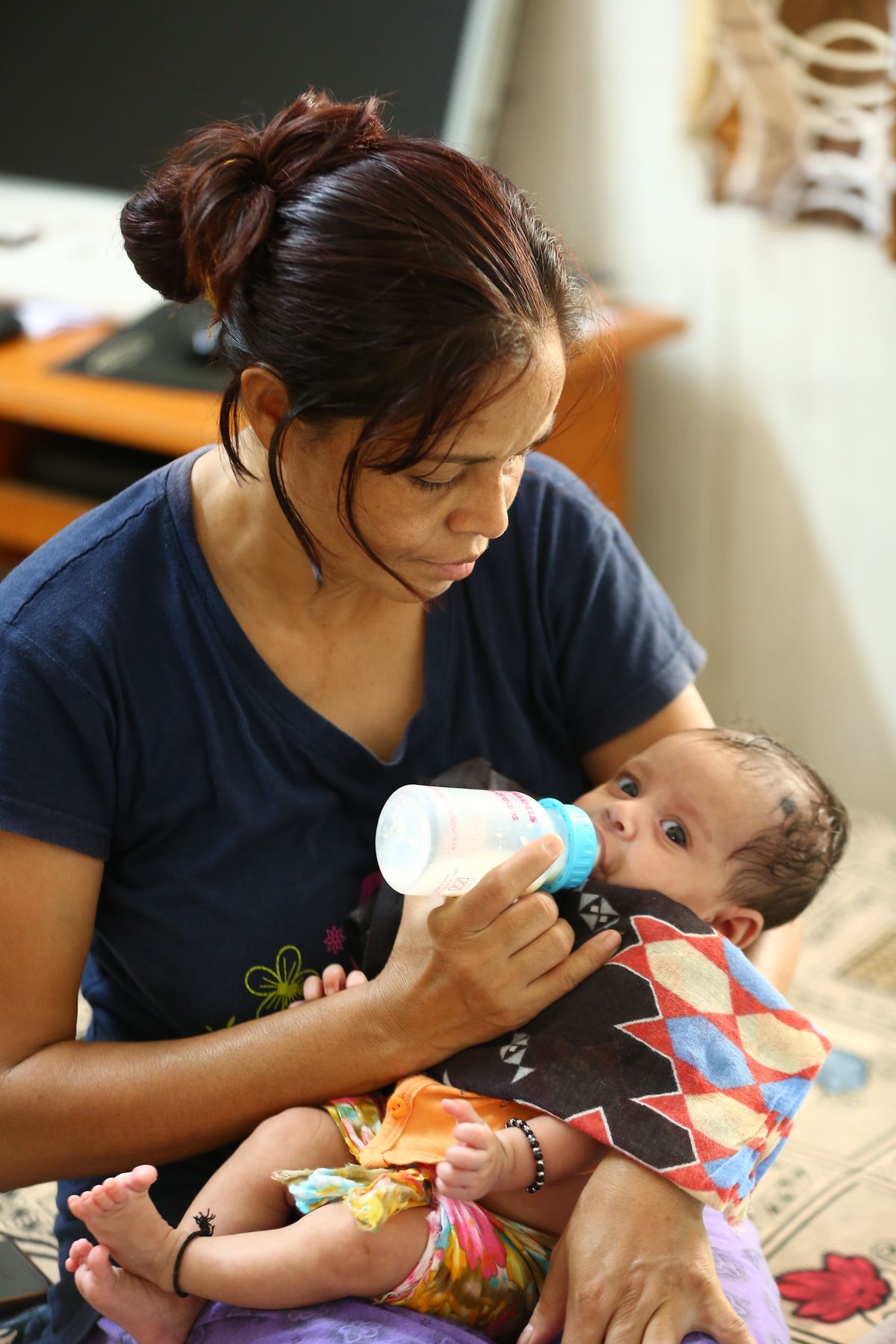
Bottle Refusal: What to Try When Your Baby Won’t Take a Bottle
Your baby refuses the bottle and you are running out of ideas. Here are the strategies that actually work, from timing tricks to teat swaps.
The bottle is warm. The milk is expressed. Your partner is ready. And your baby? Your baby has taken one look at the teat, clamped their mouth shut, and started screaming like you have just offered them a sock full of vinegar.
If this scene plays out in your house on a regular basis, you are not doing anything wrong. Bottle refusal is staggeringly common among breastfed babies, and it does not mean something is broken. It means your baby has a strong preference for the real thing, which is actually a sign that breastfeeding is going brilliantly. Cold comfort when you need to go back to work in three weeks, but still worth hearing.
The good news? Most babies do eventually take a bottle. It just takes patience, a bit of experimentation, and sometimes a completely different approach from the one all the forums are recommending. Here is what actually works. 🍼
Why Babies Refuse Bottles in the First Place
Breastfeeding and bottle feeding feel completely different for a baby. The latch is different, the flow is different, the smell is different. A breastfed baby who has never had a bottle does not understand what you are asking them to do. It is not stubbornness. It is confusion.
Some babies also develop a preference window. Research suggests that babies introduced to a bottle between 3 and 6 weeks tend to switch back and forth more easily than those who meet a bottle for the first time at 3 or 4 months. If you have missed that window, do not panic. It just means the transition might take a little longer.
Temperature matters too. Breast milk comes out at body temperature from a familiar source. A silicone teat full of milk that is slightly too warm or too cool can be enough to trigger a flat refusal.
The Timing Trick That Makes the Biggest Difference
This is the single most effective change most families make: do not offer the bottle when your baby is starving.
A desperately hungry baby wants the breast, not an experiment. They are already stressed, already crying, and in no mood to figure out a new feeding method. Instead, try offering the bottle when your baby is calm and slightly peckish, about halfway between feeds. Think of it as a casual snack offer, not a high-stakes meal replacement.
Some parents find the "dream bottle" technique works beautifully. Offer the bottle when your baby is drowsy but not fully asleep, in a dimly lit room, with gentle rocking. Their defences are down, and they are more likely to accept something unfamiliar.
Who Offers the Bottle Matters More Than You Think
If the breastfeeding parent offers the bottle, most babies will look at them as if to say: "I can smell the real thing. Why are you giving me this imposter?"
Whenever possible, have someone else do the bottle introduction. A partner, a grandparent, a trusted friend. The breastfeeding parent should ideally be out of the room, or even better, out of the house. Babies have an extraordinary sense of smell, and if they can detect mum nearby, they will hold out for the breast.
This can feel hard. You might feel guilty or anxious about leaving. But giving your baby the space to figure out the bottle with someone they trust is one of the kindest things you can do for everyone involved.
Try a Different Bottle (Seriously, It Helps)
Not all bottles are created equal, and what works for one baby might be completely wrong for another. If your baby has rejected one type, it is absolutely worth trying something different. The shape of the teat, the flow speed, and the material can all make a difference.
Look for bottles specifically designed to mimic the breast. A slow-flow teat is essential for breastfed babies because standard teats often deliver milk too fast, causing choking and further refusal. Some babies prefer a wider, flatter teat. Others like a longer, narrower one. There is genuinely no way to predict which shape your baby will accept until you try it.
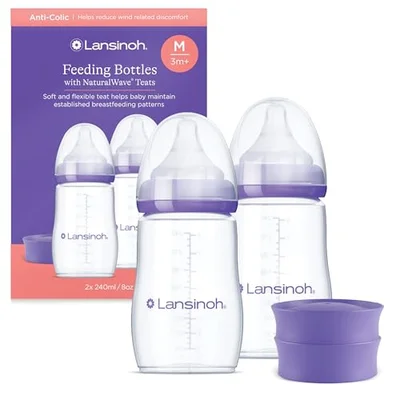

The Lansinoh NaturalWave teat was designed with input from breastfeeding researchers and uses a wave-shaped design that encourages the same tongue movement babies use at the breast. For bottle-refusing babies, this familiar action can make the difference between rejection and acceptance.

If your baby objects to the feel of hard plastic, a fully silicone bottle like the Nanobébé Flexy can help. The soft, squeezable body feels less alien in tiny hands, and the non-collapsing teat keeps the flow consistent so your baby does not get frustrated mid-feed.
The Philips Avent Natural Response range uses a teat that only releases milk when baby actively drinks, mimicking the effort of breastfeeding rather than free-flowing. For babies who gag or splutter on standard bottles, this paced approach can be a game changer.
Temperature, Position, and the Small Things
Warm the teat under running water before offering it. A cold silicone teat is about as appealing as a cold cup of tea. Some parents even drip a little breast milk onto the outside of the teat so the first thing baby tastes and smells is familiar.
Position matters too. Many babies refuse a bottle when held in the classic cradle hold because it reminds them of breastfeeding and they wonder why the breast is not appearing. Try holding your baby facing outward on your lap, or slightly upright in a bouncer. A different position signals that this is a different kind of feed.
Paced bottle feeding is worth learning regardless. Holding the bottle more horizontally so baby has to work for the milk (rather than gravity doing all the work) makes the experience feel closer to breastfeeding and reduces the risk of overfeeding.
What If Nothing Is Working?
If you have tried multiple bottles, different people, every temperature from tepid to tropical, and your baby still will not budge, take a breath. You are not failing. Some babies are genuinely determined, and that is OK.
A few things worth trying as a last resort:
- Skip the bottle entirely and try a cup. Even tiny babies can learn to sip from a small open cup held to their lips. It is messy, but some babies who refuse every bottle will happily drink from a cup.
- Try a syringe feed. A sterile feeding syringe lets you drip milk into baby's mouth slowly. This is not a long-term solution but can bridge a gap.
- Offer the bottle in motion. Walk around, gently bounce, look out a window. Some babies accept a bottle during movement when they will refuse it sitting still.
- Wait a few days and try again. Pushing too hard can create negative associations. A short break resets everyone.
When to Ask for Help
If your baby is losing weight, showing signs of dehydration, or you are returning to work imminently and nothing is working, speak to your health visitor or a lactation consultant. They can check for any physical reasons behind the refusal (like a tongue tie) and offer tailored strategies for your situation.
There is no shame in getting professional support. This is literally what they are there for.
The Bit Nobody Says Out Loud
Bottle refusal can feel incredibly isolating. It ties you to your baby in a way that limits your freedom, your sleep, and your ability to share the feeding load. It is OK to find that hard. It is OK to feel frustrated. You are not a bad parent for wanting someone else to be able to feed your baby sometimes. 💛
Most babies crack the code eventually. Some take days, some take weeks, and a stubborn few hold out until weaning makes the whole debate irrelevant. But with patience, a bit of creativity, and the right bottle for your baby, the odds are firmly in your favour.
If you are building your baby kit and want to make sure you have a few different bottle options ready, pop them on your BubsNest wishlist so friends and family can help you stock the bottle drawer. Because if there is one thing bottle refusal teaches you, it is that having options really does matter.
Ready to Create Your Baby Registry?
Start your free baby registry today and share it with friends and family.
Get Started Free