Dressing Your Newborn in Summer: TOGs, Layers, and What to Actually Put Them In
A no-nonsense guide to what your baby should wear in warm weather, from sleep to strolls, with a plain-English breakdown of TOG ratings.
You have just Googled "what should newborn wear 25 degrees" for the third time today. Same search, different wording, hoping a different result will finally give you a straight answer. And every link says something slightly different, throws around TOG numbers like everyone was born knowing what they mean, and then helpfully suggests you "use your judgement." Brilliant. Very useful when your judgement is currently running on two hours of sleep and cold toast.
Here is the good news: dressing a baby in summer is genuinely simpler than it sounds. Once you understand the basic principles, you will stop second-guessing yourself and start trusting your instincts. So let us break it down, from sleep to strolls, with zero jargon and plenty of real-world advice. 🌞
The One Rule That Simplifies Everything
You have probably heard "one more layer than you are wearing." It is repeated everywhere because it works. If you are comfortable in a t-shirt, your baby needs a t-shirt plus one light layer on top, like a thin cotton cardigan or a muslin wrap.
That is genuinely it for daytime. Newborns cannot regulate their own temperature as well as adults can, but they are not made of glass either. They get warm quickly and they cool down quickly. The trick is to keep things light, breathable, and easy to adjust.
A good test: touch the back of their neck or their chest. If it feels warm and dry, they are fine. If it feels hot or clammy, remove a layer. Hands and feet are not reliable indicators because they are almost always a bit cool on newborns, even in a heatwave.
What to Dress Them in During the Day
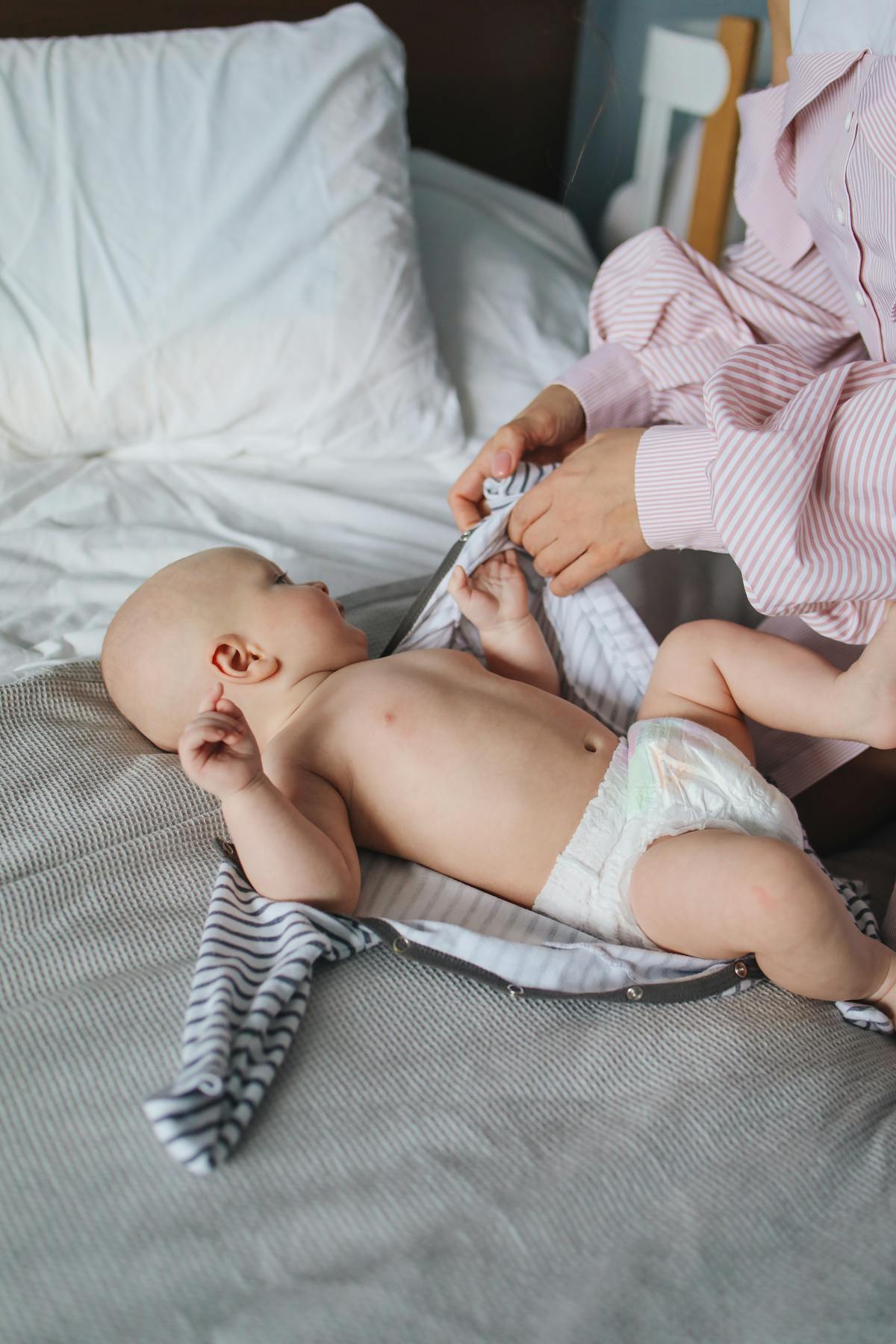
For indoor temperatures between 20 and 24 degrees (a typical UK summer day at home), a short-sleeved bodysuit is your best friend. Cotton, not polyester. Snaps at the bottom so you are not wrestling with waistbands during nappy changes.
If it is cooler in the morning or you have the air con on, add a thin cotton sleepsuit over the top or swap to a long-sleeved bodysuit. If the house creeps above 25 degrees, a nappy and vest alone is perfectly fine. Honestly, some of the best summer baby outfits are the simplest ones.
For going out, lightweight cotton or bamboo fabrics are your go-to. Avoid denim, fleece, or anything with a lot of synthetic lining. And those gorgeous knitted outfits your aunt bought? Save them for autumn. They look adorable in photos but your baby will be a hot, cranky puddle within twenty minutes.
TOG Ratings: The Plain-English Version
TOG stands for Thermal Overall Grade. It measures how warm a fabric keeps you. The higher the number, the warmer the item. That is literally all it means.
Here is your cheat sheet for sleeping bags and swaddles:
- 0.2 TOG - barely there, basically a cotton sheet. For rooms above 27 degrees.
- 0.5 TOG - light summer weight. For rooms between 24 and 27 degrees.
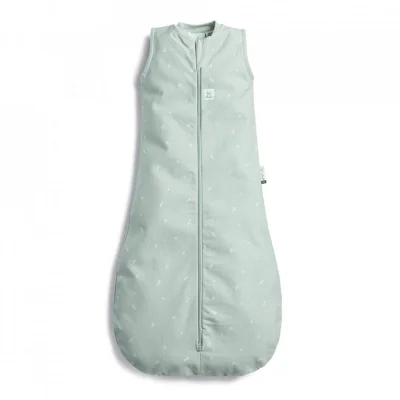
- 1.0 TOG - the sweet spot for most UK summer nights (20 to 24 degrees).
- 2.5 TOG - autumn and winter. Put this away until October.
Most UK homes sit between 20 and 24 degrees on summer nights, which means a 1.0 TOG sleeping bag with a short-sleeved bodysuit underneath is your bread and butter. If temperatures spike above 25, drop to a 0.5 TOG or even just a well-fitted cotton sleepsuit with no bag at all.

What to Wear for Sleep (Room by Room)
Room temperature is everything when it comes to sleep clothing. Forget what the weather app says outside, it is what your nursery thermometer reads that matters. If you do not have a room thermometer, get one. They cost a few pounds and take all the guesswork out of bedtime dressing.
Here is a simple breakdown:
- 27 degrees and above: Just a nappy. Maybe a 0.2 TOG sleeping bag if you want the comfort of a bag. No vest.
- 24 to 26 degrees: Short-sleeved bodysuit and a 0.5 TOG bag.
- 20 to 24 degrees: Short-sleeved bodysuit and a 1.0 TOG bag.
- Below 20 degrees: Long-sleeved bodysuit and a 1.0 or 2.5 TOG bag.
The key word is "guide." If your baby is sweating, strip a layer. If they feel cool on their chest, add one. You will get the hang of it faster than you think.
The Muslin: Your Summer Secret Weapon
If there is one item you will use more than anything else in summer, it is a muslin cloth. They work as a light blanket for the pram, a swaddle for a newborn who likes to be wrapped, a breastfeeding cover, a shade over the car seat, a burp cloth, and roughly forty-seven other things.
Cotton muslin is naturally breathable and gets softer with every wash. Keep three or four in your changing bag at all times. You will use every single one of them, guaranteed.
Pushchair and Car Seat Dressing
Car seats deserve their own mention because they are a common overheating risk. The straps need to sit snug against your baby, which means bulky layers are a safety issue anyway. In summer, strip them down to a bodysuit for the car seat. If you are worried about the sun through the window, use a car sunshade rather than adding more clothing.
For pushchair outings, a breathable sunshade is worth its weight in gold. It keeps direct sun off your baby without trapping heat the way a blanket draped over the hood can. Never cover the pushchair with a blanket or muslin, by the way. It creates a greenhouse effect and temperatures inside can rise dangerously fast.
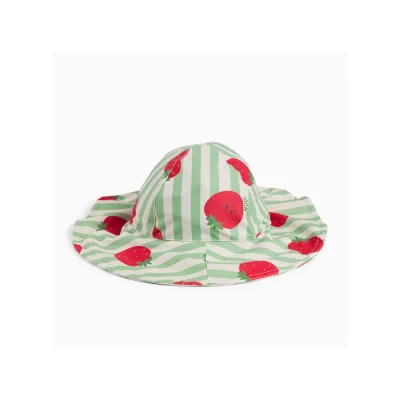
Dress them in a bodysuit and a sun hat with a wide brim that covers the ears and neck. For babies under six months, shade and clothing are your main sun protection because sunscreen is not recommended before that age. After six months, a baby-safe SPF 50 on any exposed skin rounds out the protection.
Night Sweats and When to Worry
Babies can get quite sweaty, especially on their heads, and it does not always mean they are overheating. Some babies are just sweaty sleepers. The thing to watch for is damp hair combined with a hot chest or tummy. If both are present, they are too warm. Strip a layer and check again in twenty minutes.
Genuine overheating is rare if you follow the room temperature guides above, but signs to watch for include flushed red skin, rapid breathing, and irritability that does not settle. If you are ever in doubt, a quick call to your GP or 111 is always the right call.
A Quick Word on Fabric
Cotton and bamboo are your summer best friends. Both are breathable, soft, and wick moisture away from the skin. Organic cotton is lovely but regular cotton works just as well for temperature regulation, so do not feel pressured to upgrade if budget is tight.
Avoid polyester, nylon, and heavily synthetic blends. They trap heat and can make eczema-prone skin flare up. This goes for bedding too, not just clothing. Cotton fitted sheets, cotton sleeping bags, cotton everything.
The Summer Newborn Capsule (What You Actually Need)
If you are building a summer newborn wardrobe from scratch, here is the realistic list:
- 6 to 8 short-sleeved bodysuits (you will go through more than you think)
- 3 to 4 lightweight cotton sleepsuits for cooler evenings
- 1 thin cotton cardigan for air-conditioned shops and restaurants
- 1 sun hat with neck coverage
- 1 sleeping bag in 0.5 or 1.0 TOG
- A stack of muslin cloths (at least 6)
- 2 pairs of light cotton scratch mitts (optional, for newborns who claw at their faces)
That is it. No shoes, no jeans, no elaborate outfits. They will be in this phase for about eight weeks before you size up, so resist the urge to buy every cute thing you see. Hard, I know. 💛
Your Instincts Are Better Than You Think
The fact that you are reading this means you are already a thoughtful parent who cares about getting it right. And here is the reassuring truth: once you have lived through a few warm days and nights with your newborn, the dressing thing becomes second nature. You will stop checking the TOG chart and start just knowing what feels right.
Until then, keep it simple. Light layers. Check their chest. Trust yourself. And remember that your baby genuinely does not care whether their bodysuit matches their muslin. They care that they are comfortable, fed, and near you. The rest is just fabric.
Want to start building your summer baby kit? Pop your favourites onto your BubsNest wishlist and share it with family so everyone knows exactly what you need (and what you definitely do not need, like that fleece snowsuit someone will inevitably suggest in July).
Ready to Create Your Baby Registry?
Start your free baby registry today and share it with friends and family.
Get Started Free