Drips on the Window: Tackling Damp and Mould in Your Baby's Room
Streaming windows, a musty corner, a grey speck behind the cot? Here's how to measure, dry out and keep your baby's room fresh all winter.
Draw back the nursery curtains on a cold November morning and run a finger along the bottom of the window.
Wet? Little rivers pooling on the sill? Maybe a faint black line creeping along the rubber seal? 💧
You are in very good company. British homes plus winter plus a baby who generates a mountain of laundry is basically the perfect recipe for condensation. The good news is that most of it is fixable with a few habits and one or two cheap bits of kit. Here's the plan, one culprit at a time.
The Culprit: Warm, Wet Air
Condensation is simple science. Warm air holds moisture, and when it hits a cold surface like a window or an outside wall, it turns back into water.
And a home with a baby in it is a moisture factory. Breathing, bath time, bottles being boiled, the steriliser puffing away, nappies, muslins, and approximately four hundred tiny vests drying on every radiator.
Leave that water sitting on cold surfaces for long enough and mould moves in. It loves corners, the backs of wardrobes, window frames and anywhere air doesn't move much.
UK health guidance is clear that damp and mould can affect anyone's health, and babies and young children are among those most at risk. So this isn't about having a show-home. It's about giving little lungs the freshest room you can.
The Fix: Measure Before You Worry
Here's the thing. You can't feel humidity very well. A room can feel perfectly cosy while quietly sitting at 75%.
The sweet spot for most homes is roughly 40-60% relative humidity. Above that for long stretches, and mould gets comfortable. A little hygrometer tells you in seconds, and most double up as a room thermometer, which you want in the nursery anyway (aim for 16-20°C for safe sleep).
Pop it on a shelf away from the window and radiator, then check it morning and evening for a week. You'll quickly spot patterns, like the reading jumping every time washing dries in there.
The Culprit: Laundry on the Radiators
One load of wet washing can release litres of water into the air as it dries. Litres! With a newborn you might be doing a load a day, sometimes two.
Draping sleepsuits over the nursery radiator is so tempting. But if you can, give laundry its own space instead:
- Dry clothes in one room with the door shut and a window open a crack, ideally a bathroom or utility.
- Use the tumble dryer for towels and bedding if you have one, and make sure it's vented or the water tank is emptied.
- Avoid drying anything in the room where your baby sleeps.
- Spin washes on the fastest cycle your clothes allow, so less water is left to evaporate.
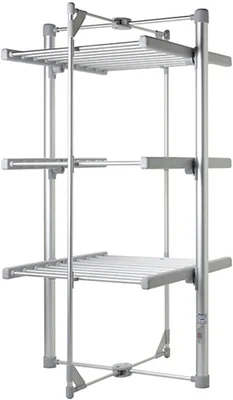
A heated airer is a handy middle ground in winter. Clothes dry in hours rather than days, which means less time for that moisture to drift around the house. Use it in a ventilated room, not the nursery.

The Fix: Let the Room Breathe
Opening a window in November feels mad. But a short, sharp airing beats leaving it shut all day.
- Open up for 10-15 minutes each morning while your baby is in another room. Fresh, drier air swaps in fast and the walls don't have time to cool.
- Keep trickle vents open if your windows have them. Those little slots at the top are there for exactly this.
- Wipe the windows first thing with a cloth or squeegee, then wring it out down the sink (not onto the sill).
- Use extractor fans during baths and cooking, and leave them running for a bit after.
- Lids on pans and the kitchen door shut when the steriliser or kettle is busy.
Heating matters too. Steady, low background warmth tends to cause less condensation than letting a room go icy and then blasting it. Cold walls are where the trouble starts.
The Culprit: Furniture Hugging Cold Walls
Ever pulled a wardrobe away from the wall and found a grey fuzzy surprise? Air can't circulate behind furniture pushed flat against an outside wall, so that patch stays cold and damp.
Leave a gap of a few centimetres behind wardrobes, chests of drawers and bookcases. Don't over-stuff cupboards either, and give them a quick airing now and then.
The cot needs some thought here as well. Safe sleep advice already says to keep it away from radiators, heaters and windows, and that conveniently keeps it off the coldest, dampest spots too.
The Fix: Check the Cot and Mattress
Mattresses can trap moisture underneath, especially on a solid base in a chilly room. Every couple of weeks when you change the sheet, lift the mattress and have a look at the underside and the base.
Stand it up against the cot side for an hour if it feels at all damp. And if you ever spot mould on it, don't try to rescue it. A baby's mattress should be firm, flat, clean and dry, so it's time for a new one. A breathable fibre mattress with a washable cover is a sensible swap.
Always buy a mattress that fits the cot snugly with no gaps around the edges, and check it meets the current British safety standard.
When It's Bigger Than a Wipe
A tiny speck on a window seal can usually be cleaned with a damp cloth and a mould remover while your baby is out of the room, followed by a good airing. Always follow the product instructions and never mix cleaning products.
But some things need more than elbow grease:
- Mould that keeps coming back, or covers a large area.
- Damp patches that appear after rain, or tide marks low on walls. That can be a leak or rising damp rather than condensation.
- A musty smell you can't find the source of.
Renting? Report it to your landlord in writing, with photos and dates. Social landlords in England now have legal deadlines to investigate and fix damp and mould hazards under Awaab's Law, and private landlords still have a duty to keep homes fit to live in. Your local council's housing team can help if nothing happens.
Worried about your baby? If you have any concerns about their breathing, a cough that won't settle, or anything else, speak to your GP or health visitor. Mention the damp too, as it's useful context for them.
Your Five-Minute Winter Routine
It honestly comes down to a few small habits:
- Wipe the windows.
- Air the room for ten minutes.
- Glance at the hygrometer.
- Keep the washing out of the nursery.
Do that most mornings and your baby's room will stay fresh, dry and cosy right through to spring. ☀️
Setting up a nursery for a winter baby? Add a room hygrometer and the other bits you need to your BubsNest wishlist, so friends and family know exactly what will help.
Ready to Create Your Baby Registry?
Start your free baby registry today and share it with friends and family.
Get Started Free