Eating for Two? What to Actually Eat During Pregnancy (and What to Stop Worrying About)
The relaxed, evidence-based guide to pregnancy nutrition. What actually matters, what to genuinely avoid, and the soft cheese panic you can finally let go of.
The moment you announce your pregnancy, someone will tell you to "eat for two." Your gran will pile extra roast potatoes on your plate. Your colleague will push biscuits across the desk with a knowing smile. And somewhere in the back of your mind, you will wonder whether you really are supposed to double everything.
You are not. Not even close. But the food rules that come flying at you from every direction can make pregnancy eating feel like navigating a minefield with a craving for chips. So here is the relaxed, evidence-based rundown of what actually matters, what to genuinely avoid, and what you can stop losing sleep over. 🍓
The "Eating for Two" Myth
Your body is doing something extraordinary, but it is surprisingly efficient at it. For the first trimester, you do not need any extra calories at all. In the second, it is roughly 340 extra calories a day. In the third, about 450. That is a banana and a yoghurt, not a second dinner.
What changes far more than the quantity is the quality. Your body is building bones, a nervous system, and an entire circulatory system from scratch. It needs very specific building blocks to do that well, and most of them come down to a handful of nutrients you can absolutely get from ordinary food.
The Nutrients That Actually Matter
Think of these as your pregnancy nutrition starting lineup.
Folate is the big one in early pregnancy. It supports your baby's neural tube development, and the recommendation to take a folic acid supplement from before conception through the first trimester exists for a reason. Dark leafy greens, lentils, chickpeas, and fortified cereals are all good food sources on top of your supplement.
Iron keeps your expanding blood supply oxygenated. Your needs roughly double during pregnancy, which is why fatigue hits so many people so hard. Red meat, spinach, beans, and fortified breakfast cereals are your friends here. Pair iron-rich foods with something containing vitamin C, like a squeeze of lemon or some red pepper, and your body absorbs it much more efficiently.
Calcium builds your baby's skeleton without raiding yours. Dairy is the obvious source, but sardines (with the bones), tofu, and fortified plant milks all count. If you are already eating a couple of portions of dairy a day, you are probably covered.
Omega-3 fatty acids, particularly DHA, support brain and eye development. Oily fish is the best source, but the "how much fish is safe" question trips everyone up. The current guidance says two portions a week, including one oily fish, is both safe and beneficial. Salmon, sardines, and mackerel are all good picks. Avoid shark, swordfish, and marlin entirely.
Vitamin D helps your body use all that calcium. A daily supplement of 10 micrograms is recommended throughout pregnancy and beyond, especially if you live somewhere that does not get much winter sun (hello, most of the UK).
What to Actually Avoid (the List Is Shorter Than You Think)
The internet will give you a list of banned foods long enough to wallpaper a nursery. The real list is much more manageable.
- Raw or undercooked meat and eggs - risk of salmonella and toxoplasmosis. Cook meat thoroughly and skip the runny yolks unless the eggs are from a certified salmonella-safe source.
- Certain fish - shark, swordfish, and marlin contain high mercury levels. Limit tuna to two steaks or four medium tins per week.
- Unpasteurised dairy - risk of listeria. This means some soft cheeses, but not the ones you think (more on that in a moment).
- Liver and liver products - too much vitamin A can be harmful during pregnancy.
- Alcohol - the safest amount in pregnancy is none.
That is genuinely it for the hard "no" list. Everything else comes down to sensible portions and common sense.
The Cheese Panic (and Other Things You Can Relax About)
This one causes more unnecessary stress than almost anything else in pregnancy. The rule is not "no soft cheese." The rule is "no unpasteurised soft cheese." Most soft cheese sold in supermarkets, including Brie, Camembert, and mozzarella, is made with pasteurised milk and is perfectly fine to eat.
Check the label. If it says pasteurised, eat it without guilt. If you are at a restaurant and cannot check, hard cheeses like Cheddar, Parmesan, and Stilton are always safe regardless of pasteurisation.
Similarly, you can eat:
- Smoked salmon (it is cooked enough)
- Prawns and cooked shellfish
- Peanuts (unless you are allergic)
- Spicy food (it will not harm your baby, though your heartburn may have opinions)
- Caffeine, in moderation - up to 200mg a day, which is roughly one filter coffee or two cups of tea
When Morning Sickness Makes Eating Feel Impossible
All this nutritional advice is lovely in theory until you spend your first trimester unable to look at a vegetable without gagging. If that is you right now, hear this: survival mode is absolutely fine. Your baby will take what it needs from your existing stores. The priority is keeping something, anything, down.
Plain crackers before you get out of bed. Ginger biscuits. Cold foods (they smell less). Small amounts every couple of hours instead of big meals. Whatever your body will tolerate is the right answer, even if that answer is plain pasta for three weeks straight.
It passes for most people by around week 14 to 16. When it does, you will naturally start reaching for more varied food again. Do not beat yourself up about the survival phase.
Staying Hydrated (the Boring Bit That Really Matters)
Water does not get the attention it deserves in pregnancy nutrition conversations. You need more of it, about 2.3 litres a day, which is roughly 10 glasses. Your blood volume increases by nearly 50% during pregnancy, your kidneys are working overtime, and dehydration can trigger Braxton Hicks contractions.
The simplest trick is to keep a bottle with you at all times and sip throughout the day rather than trying to down several glasses at once. Your bladder will thank you for the steady drip-feed approach.
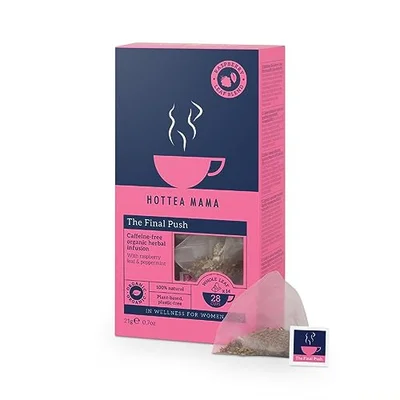
If plain water is not appealing, herbal teas can count toward your daily intake. Peppermint and ginger are both popular choices during pregnancy. Raspberry leaf tea is traditionally used from around 32 weeks. Just steer clear of herbal blends containing liquorice root, and keep caffeine well within the 200mg limit.
Easy Snack Ideas for When You Cannot Be Bothered to Cook
Pregnancy hunger hits at strange times, and not every snack needs to be a Pinterest-worthy creation. Here are some genuinely effortless options that tick the nutritional boxes:
- Apple slices with peanut butter (protein, fibre, iron)
- A small pot of hummus with carrot sticks (folate, fibre)
- Greek yoghurt with a handful of berries (calcium, antioxidants)
- A handful of almonds and dried apricots (iron, calcium, healthy fats)
- Cheese and crackers (calcium, energy)
- A smoothie with banana, spinach, and oat milk (folate, potassium, calcium)
- Toast with avocado and a squeeze of lemon (healthy fats, folate, vitamin C)
None of these take more than two minutes. All of them will keep you going until your next actual meal without triggering a guilt spiral about what you "should" be eating.
The Bottom Line
Pregnancy nutrition does not need to be complicated. Eat a varied diet with plenty of fruits, vegetables, protein, and whole grains. Take your folic acid and vitamin D. Drink plenty of water. Avoid the short list of genuinely risky foods. And give yourself permission to eat the things you actually enjoy.
Your body is doing incredible work, and it is remarkably good at extracting what it needs from ordinary food eaten by an ordinary person who sometimes just wants cheese on toast. That is more than enough. 🤰
If you are building your pregnancy wishlist and want to make sure the essentials are covered, start your BubsNest registry and let your people help with the practical stuff while you focus on growing that little human.
Ready to Create Your Baby Registry?
Start your free baby registry today and share it with friends and family.
Get Started Free