Labour on Home Turf: Planning a Home Birth
Thinking about having your baby at home? From who turns up and what to prep, to pain relief and the backup plan, here is a friendly guide to planning a home birth.
Picture it. The lamps are low, your favourite playlist is on, the dog has been shipped off to a neighbour, and there's a birth pool slowly filling up where the coffee table usually lives.
Your midwife is in the kitchen making her own cup of tea. You're on all fours on your living room rug, and somewhere between contractions you think, "I can't believe I'm doing this at home." 🏡
Home birth isn't for everyone, and that's absolutely fine. But if the idea has been quietly tugging at you, this guide walks through the questions that come up most, plus the bits of kit that genuinely make the day (and the clean-up) easier.
Can I Actually Have One?
In the UK, you can ask for a home birth in any pregnancy. It's your choice, and your midwife's job is to help you make it an informed one.
For healthy pregnancies with no complications, home birth is generally considered a safe option, especially if you've given birth before. For first babies the picture is a little different, so it's worth having an honest chat with your midwife about what the evidence says for you.
Things that might shift the conversation include twins, a breech baby, previous caesarean, high blood pressure or going into labour before 37 weeks. None of that is a lecture, just a reason to talk it through properly.
Good questions to bring to your next appointment:
- Does our local team have a dedicated home birth service?
- How many midwives will come, and when?
- How far is the nearest maternity unit, and how long would a transfer take?
- Will someone visit the house beforehand to check access and space?
Who Turns Up, and When?
Here's the bit that surprises lots of people. Your midwife doesn't move in the moment you get a twinge.
When labour starts, you'll ring your maternity unit or home birth team. They'll ask how things are going and arrange for a midwife to come and assess you once labour seems established. Usually a second midwife joins as the birth gets close.
Until then, it's you and your birth partner, which is exactly why a bit of prep makes such a difference. The early hours are much easier with a plan for staying upright, mobile and distracted.
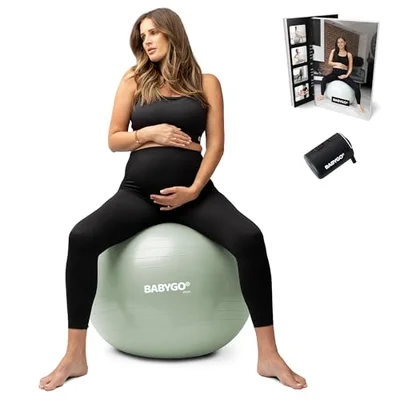
A birthing ball is the unsung hero here. Bouncing, rocking and leaning over it keeps you moving and can take some pressure off your back and hips. Plus you'll use it for weeks afterwards to bounce a fussy baby to sleep.

Where Will It Happen?
Pick your birth room in advance, but hold that choice loosely. Plenty of people plan the living room and end up in the bathroom, because that's where their body wanted to be.
Whichever room you go for, think about:
- Warmth. Babies lose heat quickly, so crank the heating up a notch.
- Light. Dimmable lamps or fairy lights for you, plus a decent torch or angle-poise lamp for the midwife.
- Space. Room to move round the bed or pool, and clear access from the front door.
- A loo nearby. You'll be grateful, trust us.
If you'd like a water birth, you can hire or buy a birth pool. Do a practice inflate and fill at around 36 weeks so you know how long the hot water lasts and whether the hose fits your tap. Far better to find out on a calm Sunday afternoon than mid-contraction. 💧
What Do I Need to Get Ready?
Your midwives bring the clinical kit. You provide the homely bits and the mess control. A box packed by 37 weeks might include:
- Old towels (lots of them) and a few dark flannels
- Plastic sheeting or cheap shower curtains to protect the floor, sofa and mattress
- Disposable absorbent pads, the puppy-training kind work brilliantly
- Bin bags, a bucket and a washing-up bowl
- Snacks and drinks for you, your partner and the midwives
- Straws, because sipping from a cup on all fours is harder than it sounds
- Baby clothes, a hat and a nappy, warming on a radiator
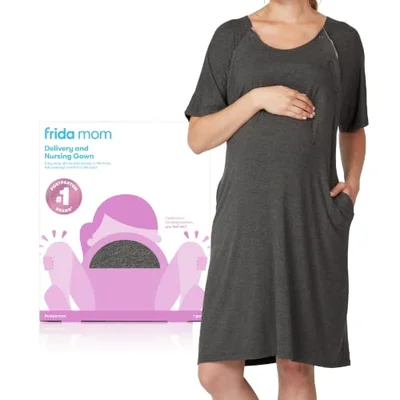
Think about what you'll wear too. Something loose that opens easily at the front makes skin-to-skin and that first feed so much simpler, and you won't be scrabbling for buttons with shaky hands.
What About Pain Relief?
At home, your options look a bit different from the labour ward. Midwives usually bring gas and air, and some teams can offer a pethidine-type injection. Epidurals aren't available at home, so if you think you might want one, that's an important part of the decision.
Lots of home birthers lean on non-medical comfort too: water, warmth, massage, breathing techniques, hypnobirthing tracks and a TENS machine if you've got one.
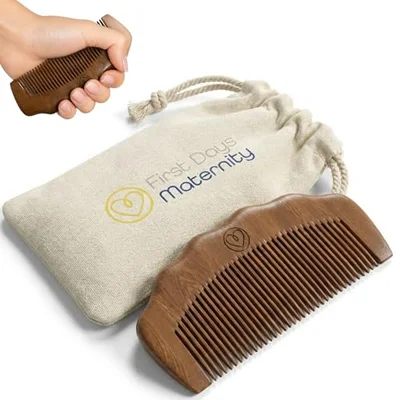
A labour comb is a little trick worth knowing about. Squeezing the teeth against your palm gives your brain a different sensation to focus on during contractions. It's small, cheap and slots into any birth bag.
What If We Need to Go In?
This is the bit nobody likes to dwell on, but a solid backup plan is what makes a home birth feel relaxed rather than risky.
Transfers are common and usually not an emergency. Research from England found close to half of first-time mums planning a home birth transferred to hospital at some point, compared with roughly 1 in 10 for those who'd had a baby before. Often it's simply because labour is long and someone fancies an epidural.
So, even with a home birth planned:
- Pack a hospital bag anyway and leave it by the door
- Keep the car fuelled, with the car seat already fitted
- Save the maternity unit number in both your phones
- Line up childcare for older siblings and someone to mind the pets
- Make sure the ambulance could park close and find your door, even at night
Changing plans isn't failing at home birth. It's just birth doing what birth does.
What Happens Straight After?
Honestly? This is where home birth really shines for a lot of people. No car journey, no ward, just your own sofa, your own shower and your own bed. ☕
Your midwives will usually stay for an hour or two after the birth to check on you both, help with the first feed and make sure everything's settled. Then they head off, and it's just you, your partner and this brand-new person in your actual home.
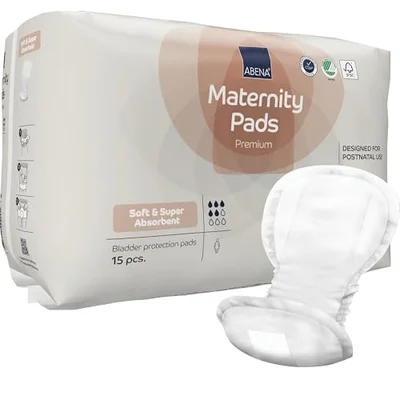
Have your postpartum supplies stocked and within reach of the loo before labour starts. You'll need a generous pile of proper maternity pads, as standard period pads aren't up to the job for those first few days.
Line the bed with a waterproof sheet, keep painkillers, water and snacks on the bedside table, and pop a few freezer meals in early. Future you will be so grateful.
Ready to Start Planning?
Whether you end up birthing in your living room, the bathroom or a hospital room after all, getting prepared is never wasted. Every towel, snack and packed bag still comes in handy.
Add your birth kit, postpartum supplies and baby bits to your BubsNest registry so friends and family can help you get ready for the big day, wherever it happens. 💛
Ready to Create Your Baby Registry?
Start your free baby registry today and share it with friends and family.
Get Started Free