Newborn Bath Time: Why It’s Scarier for You Than for Them
That first bath feels impossibly nerve-wracking, but by splash number five you will be a pro. Here is everything you need to know about temperature, setup, and keeping your tiny human happy in the water.
What if the single scariest part of having a newborn isn't the sleep deprivation, the nappy explosions, or the mystery crying? For a surprising number of new parents, it's bath time. Specifically, that first bath. Holding a tiny, slippery, slightly outraged human over water while your heart pounds and your partner hovers with a towel, filming the whole thing on their phone. 🛁
Good news: it gets easier. Fast. By bath number five, you will wonder what all the fuss was about. But right now, let's walk through everything you need to know to make those first few splashes as calm (and enjoyable) as possible.
Do They Actually Need a Bath?
Here is a fact that would have saved a lot of first-week stress: newborns don't need a proper bath for the first few days. Most midwives recommend delaying that first dip until baby's umbilical cord stump has dried and fallen off, which usually happens within 7 to 10 days.
In the meantime, "top and tailing" is your friend. That's a quick wipe-down with cotton wool and warm water, focusing on the face, neck folds, hands, and the nappy area. It takes about five minutes, nobody gets soaked, and your baby stays perfectly clean.
Once you do start bathing, two or three times a week is plenty. Their skin is still developing its natural protective barrier, and over-bathing can dry it out. Daily baths aren't harmful if they're part of your bedtime routine, but they're definitely not compulsory.
Your Bath Time Setup
You don't need a bathroom full of gear. Here is what actually matters:
- A baby bath or clean washing-up bowl (honestly, a bowl works fine for the first few weeks)
- Two towels, one for drying, one as a backup landing pad
- A fresh nappy and clothes ready to go
- Cotton wool or soft washcloths
- A bath thermometer, or your elbow (more on this in a moment)
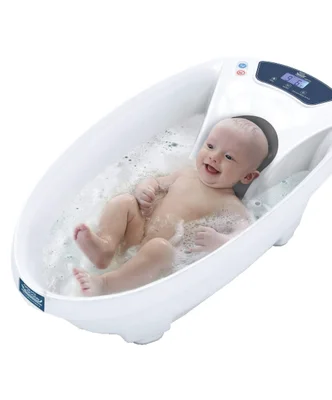
If you want to take the guesswork out of things entirely, a dedicated baby bath with a built-in thermometer is a lovely investment. The Aquascale V3 even has integrated scales so you can track weight without a separate clinic visit.

Set everything up before you undress your baby. The golden rule of newborn bathing is: never, ever leave them unattended in or near water, not even for a second. If the doorbell rings, wrap baby up and take them with you.
Getting the Temperature Right
This is the part that makes most parents nervous, and honestly, it deserves a bit of respect. Water that feels comfortable to an adult hand can be too hot for a newborn's sensitive skin.
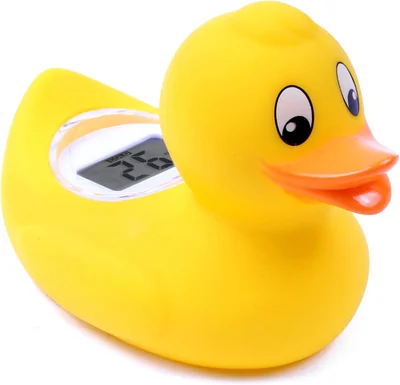
The sweet spot is around 37°C, which is roughly body temperature. A good bath thermometer takes the guessing out of it completely. If you don't have one, the old-fashioned elbow test works: dip your elbow in, and the water should feel warm but not hot. Your elbow is more sensitive than your hand, so it gives a better reading.

Run the cold water first, then add hot, and give it a good swirl to avoid any hot spots. Fill the bath to about 8 to 10 centimetres deep. That's shallower than you'd think, but it's all they need.
The Actual Bath (Without the Panic)
Right, deep breath. You can do this.
Undress your baby and wrap them in a towel, leaving just their head out. Start by wiping their face with damp cotton wool or a soft washcloth, one piece for each eye, wiping from the inner corner outwards. Clean around the ears (never inside) and gently wipe the neck folds where milk loves to hide.
Now for the main event. Lower your baby into the water slowly, keeping one hand behind their head and neck at all times. Use your other hand to gently scoop water over their body. Talk to them, sing, make silly faces. Your voice is the most reassuring thing in their world right now.
If they cry, that's completely normal. Some babies take a few baths to warm up to the idea, and some just never love it (we've all met a bath-hating baby). Try not to let their reaction rattle you. Stay calm, keep it short, and try again in a couple of days.
The whole thing should last about five to ten minutes. Newborns lose body heat quickly, so a speedy bath is a good bath.
What Products Do You Actually Need?
For the first few weeks, plain water is genuinely all you need. Newborn skin is incredibly delicate, and most dermatologists recommend avoiding soaps and bubble baths until baby is at least four to six weeks old.
When you do start introducing products, choose something fragrance-free, pH-neutral, and designed specifically for babies. A gentle cleansing gel or wash is plenty. You don't need a separate shampoo, body wash, and moisturiser at this stage. One mild product does it all.
A tiny amount is all it takes. Think the size of a five-pence coin. Work it between your hands first, then gently smooth it over baby's skin. Rinse thoroughly, paying extra attention to all those gorgeous little folds.
The Hair Wash
Washing a newborn's hair sounds straightforward until water runs towards their face and suddenly everyone is having a bad time. The trick is to tip their head back very gently (supporting the neck) and pour water from back to front using a jug with a soft rim.
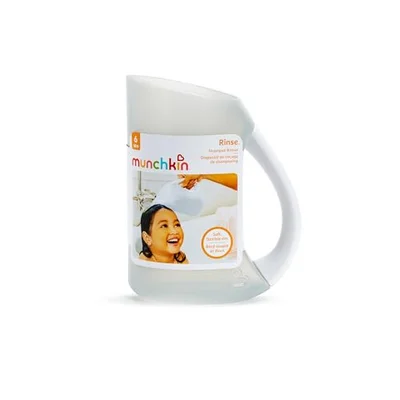
Some parents find it easier to wash hair separately over the bath while baby is still wrapped in a towel, like a tiny burrito. This keeps the rest of their body warm and gives you better control over where the water goes. It's the method most maternity wards use, and there's a reason for that.
If your baby has cradle cap, which looks like yellowish, flaky patches on the scalp, resist the urge to pick at it. A gentle massage with a bit of olive oil or coconut oil before bath time can help loosen the flakes, and they will come away on their own over time.
After the Bath
Lift baby out and straight into a warm, dry towel. A hooded towel is perfect for keeping their head warm while you pat (never rub) the rest of them dry. Pay special attention to all the creases: behind the ears, under the chin, in the armpits, and between those delicious little toes.
If their skin looks a bit dry, a light, unscented baby moisturiser on the body (avoiding the face) can help. Get that fresh nappy on quickly, dress them in something cosy, and congratulate yourself. You just survived bath time. 🎉
It Gets Easier (and Then It Gets Fun)
Within a few weeks, bath time will go from nerve-wracking to one of the highlights of your day. Most babies learn to love the water, kicking their legs and splashing happily while you get absolutely soaked.
Around three to four months, you might notice them starting to reach for things in the water. That's your cue to introduce a bath toy or two. Around six months, when they can sit with support, baths become genuinely fun, complete with rubber ducks, stacking cups, and the inevitable attempt to drink the bathwater.
For now though, keep it simple. Short, warm, and full of your voice. That's all your newborn needs.
Building your bath time kit? Add everything to your BubsNest registry so family and friends can help tick things off the list. Because nobody ever regretted having too many soft towels. 🧸
Ready to Create Your Baby Registry?
Start your free baby registry today and share it with friends and family.
Get Started Free