Newborn Skin Care: What’s Normal, What Helps, and What to Skip
Peeling, spots, cradle cap, baby acne. Your newborn’s skin does all sorts of strange things in those first weeks. Here’s what’s completely normal, how to handle bath time, and the only products you actually need.
That perfectly smooth, peachy newborn skin everyone talks about? Most babies don't actually have it. At least not straight away.
In those first few weeks, your baby's skin might peel like a sunburn, break out like a teenager, or develop mysterious little white dots that look like they need investigating. All of this is completely normal, and yet nobody tells you beforehand, so you end up frantically Googling "newborn face rash" at 2am while clutching a baby who looks like they've had a rough night.
Here's the reassuring bit: newborn skin is designed to go through a transition phase. It spent nine months floating in amniotic fluid, and now it's adjusting to fresh air, fabric, and the peculiar humidity of a British summer. Most of what you'll see in those early weeks needs absolutely nothing from you except patience. But a few things are worth knowing about, and there are a handful of products that genuinely make bath time easier and keep that delicate skin comfortable.
The Alarming Stuff That's Actually Fine
Let's start with what's going to look wrong but isn't. Because forewarned is forearmed, and nobody needs that midnight Google spiral.
Peeling skin
Almost every newborn peels. Babies born past their due date tend to peel more, sometimes dramatically. It looks concerning, but it's just the outer layer of skin adjusting from a watery world to a dry one. No cream needed. No moisturiser. It sorts itself out within a week or two.
Milia
Those tiny white spots on your baby's nose and cheeks? They're called milia, and roughly half of all newborns get them. They're caused by trapped keratin and disappear on their own within a few weeks. Don't squeeze them (tempting, we know). 👀
Baby acne
Yes, your two-week-old can break out. Baby acne usually appears around weeks two to four and can look quite angry, with small red bumps across the cheeks, nose, and forehead. It's caused by hormones that crossed the placenta during pregnancy, and it clears up without treatment. Resist the urge to apply anything to it.
Cradle cap
Those thick, yellowish, crusty patches on your baby's scalp are cradle cap (seborrhoeic dermatitis). It's not caused by poor hygiene, it's incredibly common, and it rarely bothers the baby even when it looks dramatic. A gentle massage with a soft brush during bath time helps loosen the flakes. Some parents find a tiny amount of coconut oil or olive oil massaged into the scalp before bath time works well, but keep it minimal.
Erythema toxicum
The name sounds terrifying. The condition is anything but. It's a red, blotchy rash with small yellow or white spots that appears in the first few days of life. Up to half of all full-term babies get it, and it disappears entirely on its own. If your midwife hasn't mentioned it, it's because they've seen it thousands of times.
Bath Time: Less Is More
New parents often assume babies need daily baths. They don't. In fact, bathing too frequently can strip the natural oils from newborn skin and make dryness worse.
For the first few weeks, two or three baths a week is plenty. In between, a gentle top-and-tail with warm water and cotton wool covers the essentials: face, neck folds (where milk loves to pool), hands, and nappy area. That's it. 🛁
When you do bath
Keep it short, keep it warm, keep it simple. Water temperature should be around 37°C, and five to ten minutes is plenty. You don't need a product for every surface. A single gentle wash that covers hair and body does the job without overwhelming their skin.
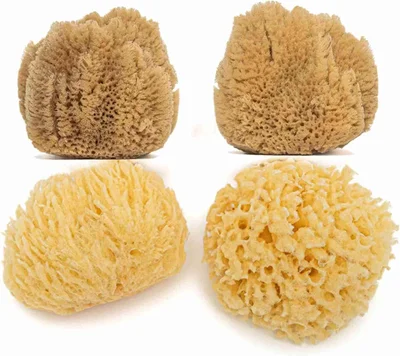
If you'd rather skip the flannel altogether, a natural sea sponge is beautifully soft on newborn skin and works well for a gentle wash without any rubbing.

The Products You Actually Need (and the Ones You Don't)
The baby skincare aisle is enormous. It wants you to believe your newborn needs a seven-step routine. They absolutely do not. Here's the honest short list.
What you need
- A gentle, fragrance-free wash - One product that does hair and body. Look for something formulated for newborns with minimal ingredients. You'll use it a few times a week, so a single bottle lasts for months.
- A simple moisturiser for dry patches - Not for routine use on perfectly healthy skin, but genuinely handy when dryness shows up. A natural balm applied after bath time can make a real difference on rough spots.
- Barrier cream for the nappy area - A thin layer at every change prevents nappy rash before it starts. This one's non-negotiable.
- Cotton wool or soft washcloths - For top-and-tail days between baths.
What you don't need
- Daily baby lotion - Healthy newborn skin moisturises itself. Applying lotion routinely can actually disrupt this process.
- Talcum powder - Once a nursery staple, now widely discouraged. It can irritate airways and isn't necessary.
- Bubble bath - Too harsh for newborn skin and can cause dryness or irritation.
- Anything with strong fragrance - Synthetic fragrances are a common cause of skin reactions in babies. Stick to fragrance-free or naturally scented products.
For dry or sensitive patches
If your baby does develop dry or rough patches (common in winter babies or homes with the heating on full blast), a natural balm can make a real difference. Tallow-based balms have become popular with parents looking for something with minimal, recognisable ingredients that works genuinely well on sensitive skin. 🧴
Don't Forget the Laundry
Your baby's skin is in contact with fabric more than anything else. What you wash those fabrics with matters more than most skincare products.
Use a non-biological detergent for anything that touches your baby's skin, at least for the first few months. Skip the fabric softener entirely if you can. And if you're putting brand-new clothes on your baby for the first time, give them a wash first. Manufacturing chemicals and dyes can irritate even the least sensitive skin.
It sounds over-the-top, but switching to a gentle detergent is one of those tiny changes that can make a noticeable difference if your baby is prone to dry skin or rashes.
When to Actually Worry
Most newborn skin things sort themselves out. But a few signs are worth mentioning to your midwife or doctor.
- A rash that doesn't fade when you press a glass against it - This is the meningitis glass test, and it's always worth checking urgently.
- Eczema that's weeping, cracked, or clearly bothering your baby - Mild eczema is common and manageable, but if it's disrupting sleep or feeding, ask for help.
- Skin that looks infected - Redness spreading outward, warmth, pus, or swelling around the umbilical stump area.
- Jaundice that deepens after day three - A yellow tinge is normal in the first few days, but if it's getting worse rather than better, mention it.
Trust your instincts here. If something looks unusual and you're not sure, ask. Your midwife or doctor has seen everything, and there is no such thing as a silly question when it comes to a newborn.
Keep It Simple
Newborn skin is tougher than it looks, and it's designed to adapt. The best thing you can do in those first weeks is less, not more. Skip the elaborate routines, resist the urge to treat every mark or blemish, and keep things simple: gentle wash, warm water, a good barrier cream, and a decent moisturiser for the patches that genuinely need it.
If you're building your registry and wondering what skincare bits to add, keep the list short. A couple of trusted products will serve you far better than a basket full of things you'll never open. Pop what you need on your BubsNest wishlist and let friends and family help with the bits that actually matter.
Ready to Create Your Baby Registry?
Start your free baby registry today and share it with friends and family.
Get Started Free