Newborn Sleep: What Actually Works (And What's a Waste of Money)
Nobody prepares you for newborn sleep deprivation. Here's an honest guide to what actually helps your baby sleep, what's a waste of money, and the products worth putting on your registry.
Here is a fact that does your head in at 4am: a newborn sleeps for up to 17 hours a day.
Seventeen! And yet somehow you, the adult, are running on a broken three. Those hours arrive in tiny, unpredictable bursts, scattered across the day and night with zero regard for your need to sleep for longer than ninety minutes at a stretch.
Here's the truth: newborn sleep is chaotic. It's unpredictable. And most of the "solutions" marketed at exhausted parents are either unnecessary or wildly overpriced. But some things genuinely help. After talking to hundreds of parents (and surviving it twice myself), here's my honest guide to what actually works. 💤
The Basics: What Normal Newborn Sleep Looks Like
Before you spend £300 on a smart bassinet, let's manage expectations. Newborns sleep 14-17 hours a day, but in short bursts of 2-4 hours. They don't know the difference between day and night. They will wake up hungry because their stomachs are tiny.
This is biologically normal. It's not a problem to solve. No product will make your three-week-old sleep through the night, and anyone who tells you otherwise is selling something.
That said, there are things that create the right conditions for everyone to get the most rest possible. Let's talk about those.
Where They Sleep: Keep It Simple
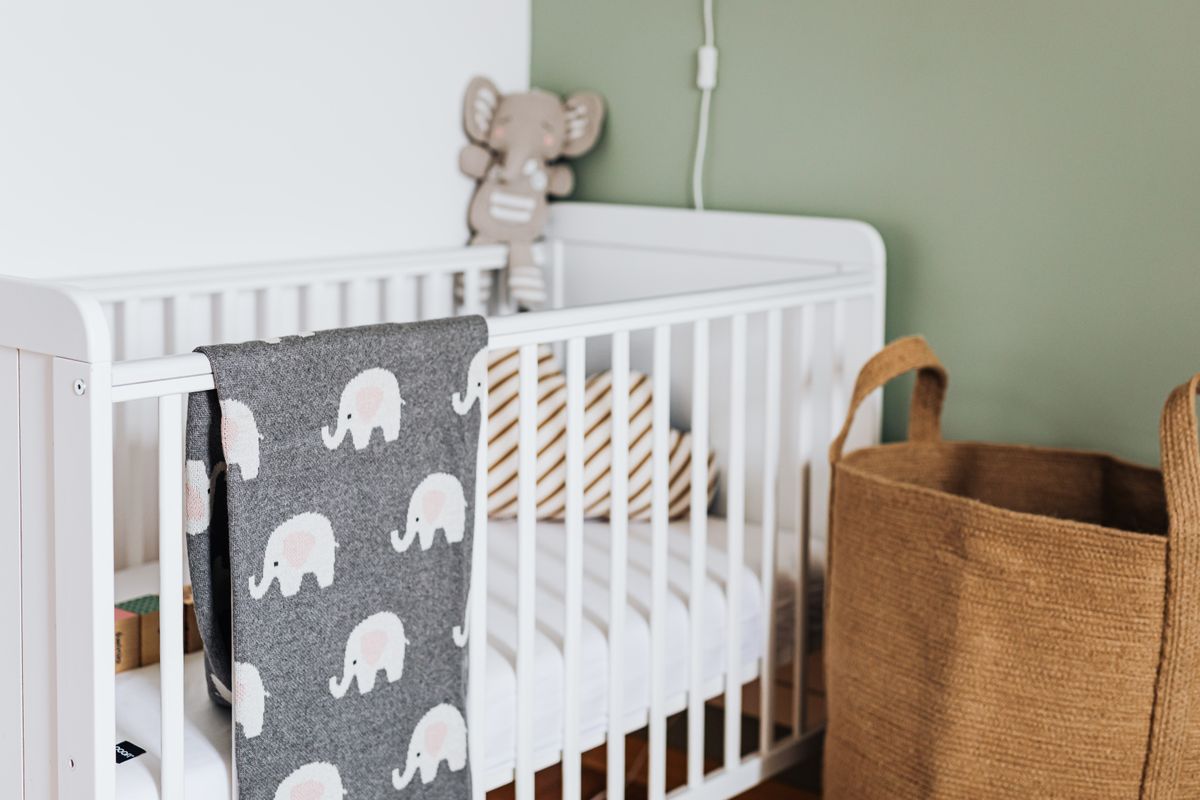
The Lullaby Trust (the UK's SIDS charity) is crystal clear on this: babies should sleep on their back, on a firm, flat surface, in a clear cot or moses basket, in the same room as you for the first six months. No pillows, no bumpers, no loose blankets, no cute stuffed animals.
A bedside crib is genuinely brilliant for those early weeks. You can reach your baby without fully getting up, which makes night feeds significantly less painful. The Amana FirstSleep is a lovely option that sits right at your mattress height and has a drop-down side for easy access.
Don't overthink this bit. Your baby does not care whether their crib costs £80 or £800. They care that it's safe, warm enough (not too warm), and that you're nearby. That's it.
Swaddles and Sleeping Bags: The Real MVPs
If there's one category where spending a bit more makes a real difference, it's this. Newborns have the Moro reflex, that sudden startle where their arms fling out and they wake themselves up looking absolutely horrified. A good swaddle contains that reflex and helps them stay settled longer.
The Tommee Tippee Grobag Swaddle is the one I recommend to everyone. It's designed for hip-healthy swaddling (important), made from soft bamboo-rich fabric, and genuinely easy to use at 3am when your brain isn't functioning. 🌙
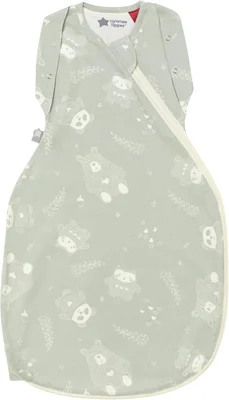

Once your baby outgrows the swaddle (usually around 8-12 weeks, or when they start rolling), you'll transition to a sleeping bag. These are essentially wearable blankets that can't be kicked off or pulled over their face. The Tommee Tippee multi-tog one is brilliant because you can adjust the layers depending on the room temperature.
TOG ratings confused me at first but they're actually straightforward. The Lullaby Trust has a chart: 1.0 TOG for warmer rooms (21-23°C), 2.5 TOG for average rooms (18-20°C). Get a room thermometer so you're not guessing.
The Room Setup: Darkness and Noise
Two things that make an enormous difference and cost very little: darkness and white noise.
Babies produce melatonin in response to darkness, just like adults. A properly dark room (we're talking blackout blinds, not just curtains) signals to their developing circadian rhythm that it's time to sleep. During the day, keep naps in lighter conditions so they start learning the difference.
White noise works because it mimics the constant whooshing sound of the womb. It's loud in there, about 80 decibels, similar to a vacuum cleaner. Silence is actually quite startling for a newborn. A white noise machine set at a consistent low level (below 50 decibels in the room) can help them settle and stay asleep longer.
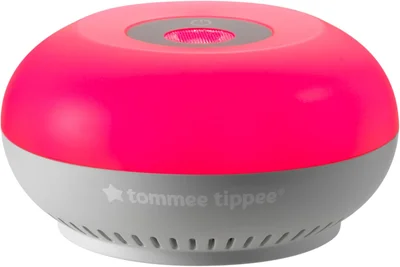
The Tommee Tippee Dreammaker is worth every penny. It combines a red LED nightlight (red light doesn't suppress melatonin like blue or white light does) with pink noise, and it has a CrySensor that automatically activates when your baby stirs. Genuinely clever bit of kit.
What's Actually a Waste of Money
Right, let's talk about what you don't need. Because the baby sleep industry is enormous and a lot of it preys on exhausted, desperate parents.
Sleep consultants at 6 weeks: Your baby is too young for any kind of sleep training. Save your money for later if you actually need it (many families don't).
Expensive cot mobiles: Most babies couldn't care less. And the ones with lights can actually stimulate them rather than settling them.
Dock-a-tots and sleep nests: Not recommended for unsupervised sleep by the NHS or the Lullaby Trust. They create a soft, raised surface which goes against safe sleep guidelines.
Elaborate bedtime routines at 4 weeks: Newborns don't understand routine yet. Save the bath-book-bed sequence for around 6-8 weeks when they start to recognise patterns.
The Bits Nobody Tells You
The fourth trimester is real. For the first 12 weeks, your baby essentially still wants to be in the womb. Warmth, containment, gentle movement, and closeness are what settle them. Not expensive gadgets.
Contact naps are not a bad habit. Your baby sleeping on your chest is biologically normal. You haven't "created a rod for your own back." You've created a baby who feels safe. If you're safe and awake, enjoy it. They grow out of it faster than you'd think.
Sleep regressions aren't regressions. They're developmental progressions. Your baby's brain is learning something new (rolling, crawling, object permanence) and sleep gets temporarily disrupted while they figure it out. It passes.
And finally: if you're struggling, that's normal. The NHS health visitor line is there for a reason. You're not failing. You're just tired. There's a difference. 💛
Building Your Sleep Setup Wishlist
If you're putting together a registry or wishlist, here's what I'd genuinely prioritise for sleep:
- A safe bedside crib (used for 4-6 months)
- 2-3 swaddles for the newborn stage
- 2-3 sleeping bags in appropriate TOGs
- A white noise or pink noise machine
- Blackout blinds (even the temporary stick-on ones work)
- A room thermometer
That's it. That's the list. Everything else is optional.
You can add all of these to your BubsNest wishlist and share the link with family and friends. Group gifting means you can put the pricier items on there without feeling awkward about it.
You've got this. Even at 3am. Especially at 3am.
Ready to Create Your Baby Registry?
Start your free baby registry today and share it with friends and family.
Get Started Free