Pregnancy Aches: Why Everything Hurts and What Actually Helps
Your body is building an entire human from scratch. Here is why everything aches and the practical things that genuinely help, from support belts to sleep positions.
Pregnancy glow. That is what they promise you. Radiant skin, thick shiny hair, a serene earth-mother energy that makes you look like a Renaissance painting.
What they do not mention is that your pelvis might feel like it is staging a slow mutiny, your lower back has apparently aged forty years overnight, and your feet have swollen to a size you did not know existed. If you are currently propped up on the sofa wondering why absolutely everything hurts, welcome. You are in exactly the right place. 🤰
Why Does Everything Ache?
Short answer: your body is doing something extraordinary, and the side effects are not exactly glamorous.
During pregnancy, your body produces a hormone called relaxin. Its job is to loosen your ligaments and joints to make room for your growing baby and prepare for birth. Brilliant in theory. In practice, it means your joints are less stable than usual, which is why your back, hips, and pelvis suddenly feel like they belong to someone thirty years older than you.
Add to that a shifting centre of gravity as your bump grows, increased blood volume (up to 50% more by the third trimester), and the sheer physical effort of carrying another human being around all day. Your body is working overtime. It makes complete sense that it complains about it.
Lower Back Pain: The One Almost Everyone Gets
Roughly two thirds of pregnant women experience lower back pain at some point. It usually kicks in during the second trimester and gets progressively worse as the bump grows, because your spine is constantly compensating for the extra weight out front.
What actually helps: gentle, consistent movement. Walking, pregnancy yoga, and swimming are all brilliant for keeping your back muscles strong without overdoing it. Sitting on an exercise ball instead of slumping into the sofa can also take surprising amounts of pressure off your lower spine.
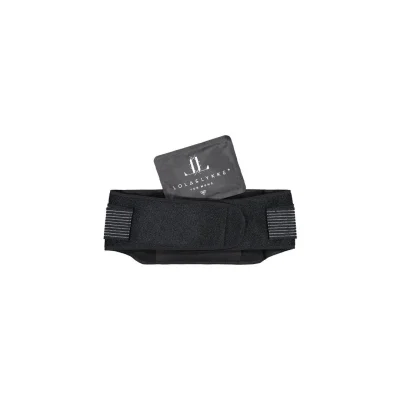
A good pregnancy support belt makes a real difference too. It sits underneath your bump and takes some of the weight off your lower back, which is especially useful if you are on your feet for long stretches during the day.

Warm (not hot) compresses on your lower back and gentle stretching before bed can also ease things. If the pain is sharp or shooting down your leg, mention it to your midwife or doctor, as it could be sciatica, which sometimes needs a different approach.
Pelvic Girdle Pain: The One That Makes You Walk Like a Penguin
Pelvic girdle pain, sometimes called SPD, is that deep grinding ache in the front or back of your pelvis. It can make walking, climbing stairs, turning over in bed, and getting out of a car feel like genuine endurance challenges.
It affects roughly one in five pregnant women, and it ranges from mildly annoying to genuinely debilitating. The good news is that it almost always resolves after birth. The less good news is that "it will get better eventually" is not especially helpful when you are trying to get out of bed at 2am to use the loo.
A belly support band can help by stabilising your pelvis and distributing weight more evenly. Keep your knees together when you turn in bed (sounds odd, but it stops your pelvis from twisting). And if it is really affecting your daily life, ask your midwife or doctor about a referral to a physiotherapist who specialises in pregnancy. They can work wonders.
Hip Pain and the Sleep Problem
By the third trimester, sleeping on your side is the recommended position. Which is fine in principle, except that your hips are now bearing the full weight of your bump, and they would really like to file a formal complaint about it.
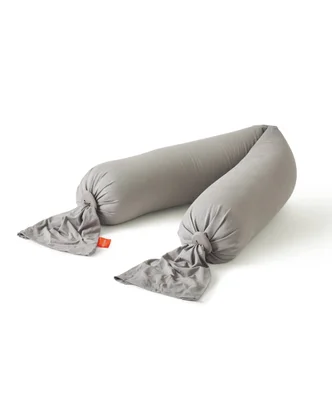
A pillow between your knees is the classic fix, and it genuinely works. It keeps your hips aligned and stops your top leg from pulling your pelvis forward. But a dedicated pregnancy pillow takes it to the next level, supporting your bump, your back, and your knees all at once so you can actually stay comfortable for more than twenty minutes.


If hip pain is waking you up, try alternating sides during the night and placing a folded towel under your hip bone for extra cushioning. A warm bath before bed can also loosen things up significantly.
Swollen Feet, Ankles, and Hands
Swelling in pregnancy is incredibly common, especially in the third trimester and during warmer weather. Your body is holding onto extra fluid, and gravity pulls it downward, which is why your feet and ankles tend to cop it worst.
Keep your feet elevated when you can. Drink plenty of water (counterintuitive, but staying hydrated actually helps reduce fluid retention). Avoid standing in one position for too long. And wear comfortable shoes that fit your feet right now, not the feet you had six months ago.
One thing to watch for: sudden or severe swelling, especially in your face or hands, combined with a headache or visual changes, needs immediate medical attention. Contact your maternity team or hospital straight away. This is rare, but it is important to recognise.
The Driving Problem Nobody Talks About
Here is one that does not make most pregnancy lists: driving becomes genuinely uncomfortable in the third trimester. The seatbelt sits awkwardly across your bump, the steering wheel feels too close, and getting in and out of the car is its own little workout.
A pregnancy-specific seatbelt adjuster redirects the lap belt below your bump rather than across it, which is both more comfortable and safer. It is one of those small purchases that makes a disproportionately big difference to daily life.
Move your seat back slightly and tilt the steering wheel upward so there is space between the wheel and your bump. Take regular breaks on longer drives, and keep water and snacks within reach so you do not need to twist and stretch for them.
When to Talk to Your Midwife or Doctor
Most pregnancy aches and pains are completely normal, even if they are thoroughly miserable. But some things are worth flagging:
- Pain that is sudden, severe, or does not improve with rest
- Pain on one side only, especially in your tummy or shoulder tip
- Sudden swelling accompanied by headache, vision changes, or nausea
- Pain or burning when you wee (urinary infections are more common in pregnancy)
- Regular cramping or tightening before 37 weeks
Your midwife and doctor are there for exactly this. You are never wasting their time by asking. If something feels wrong, trust your instincts and get it checked. 💛
In the meantime, be kind to yourself. Your body is building an entire human from scratch. It is allowed to ache a bit. And the glowy hair thing? It does usually happen. Just sometimes alongside the back pain, the swollen ankles, and the inability to roll over in bed without making a sound like a distressed walrus. Completely worth it.
Ready to start your baby wishlist? Create your BubsNest registry and add everything you need, from pregnancy pillows to nursery essentials.
Ready to Create Your Baby Registry?
Start your free baby registry today and share it with friends and family.
Get Started Free