Pregnancy Nutrition: What to Eat, What to Skip, and What Those Cravings Are Really About
A friendly, no-guilt guide to eating well during pregnancy, from iron-rich snacks and calcium sources to decoding weird cravings and staying hydrated through every trimester.
Here is a fact that might make you feel better about the cheese toastie you just demolished at 10am: growing a human requires roughly 300 extra calories a day in the second and third trimesters. That is about one banana, a handful of almonds, and a yoghurt. Not a whole second dinner. Not a salad the size of your head. Just a sensible snack. The gap between what pregnancy nutrition actually looks like and what social media suggests it should look like is enormous, and honestly? It is time someone closed it. 🥑
This is not a list of rules. It is a guide from one friend to another, with the science stripped down to what actually matters and the guilt left firmly at the door.
The Nutrients That Really Matter (and Where to Find Them)
You do not need to track every micronutrient. But there are a handful your body genuinely needs more of right now, and knowing where to find them makes the whole thing much less stressful.
Folic acid is the big one in the first trimester. It helps your baby's neural tube develop properly, and the recommendation is 400 micrograms daily from before conception through week 12. Dark leafy greens, fortified cereals, chickpeas, and lentils are all good sources, but most midwives will tell you to take a supplement too, because it is hard to get enough from food alone.
Iron keeps your blood healthy while your body increases its blood volume by nearly 50%. Red meat, beans, spinach, and fortified bread are your friends here. Pair iron-rich foods with something containing vitamin C (a squeeze of lemon, a handful of strawberries) to help your body absorb it better. Tea and coffee with meals actually block iron absorption, so save those for between meals if you can.
Calcium builds your baby's bones and teeth. If you are not getting enough from food, your body will borrow it from your own bones, which sounds dramatic because it is. Dairy, fortified plant milks, tinned sardines (with the bones), and tofu are solid sources. Aim for around 700mg a day, which is roughly three portions of dairy or equivalent.
Omega-3 fatty acids support your baby's brain and eye development, especially in the third trimester. Oily fish like salmon, mackerel, and sardines are the best source, but stick to two portions a week maximum because of mercury concerns. If fish makes you gag (hello, first trimester), a pregnancy-specific omega-3 supplement is a perfectly good alternative.
Vitamin D is recommended for everyone in the UK during autumn and winter, and when you are pregnant, it matters even more. 10 micrograms a day is the guideline. A supplement is the easiest way to get there, since sunshine and food alone rarely cover it.
What to Actually Eat Day to Day
Forget the picture-perfect meal prep grids. Real pregnancy eating looks more like toast and peanut butter at 7am, a jacket potato for lunch, and whatever you can face for dinner. And that is completely fine.
The basic framework is simple: aim for a mix of protein, carbohydrates, healthy fats, and fruit or veg at most meals. You do not need to hit every food group at every sitting. Over the course of a week, things tend to balance out.
Some practical ideas that actual pregnant people eat:
- Breakfast: Porridge with berries and a spoonful of nut butter. Or scrambled eggs on wholemeal toast. Or cereal with milk if that is all you can manage.
- Lunch: Hummus and veggie wrap, a bowl of lentil soup with crusty bread, or leftover pasta with a side of fruit.
- Dinner: Salmon with sweet potato and broccoli, a chicken stir-fry with rice, or a bean chilli with a baked potato.
- Snacks: Apple slices with almond butter, cheese and oatcakes, Greek yoghurt with honey, a handful of trail mix, or a banana.
If the first trimester has you surviving on crackers and ginger biscuits, that counts too. Survival eating is a legitimate phase. Your baby will take what it needs from your stores, and you can catch up when the nausea passes. 💛
The Foods to Avoid (the Short, Honest List)
There is a lot of conflicting advice floating around, so here is the actual list based on current guidelines. It is shorter than you think.
Hard no:
- Raw or undercooked meat, fish, and eggs (so no runny yolks unless they are British Lion stamped, in which case crack on)
- Unpasteurised dairy, including some soft cheeses like brie, camembert, and blue cheese (unless cooked until piping hot)
- Pate of any kind
- Shark, swordfish, and marlin (high mercury)
- More than 200mg of caffeine a day (roughly two mugs of coffee or three cups of tea)
- Alcohol
Common myths that are actually fine:
- Prawns (cooked) are safe
- Smoked salmon is fine in small amounts
- Hard cheeses like cheddar, parmesan, and stilton (yes, stilton, despite being blue, because it is made with pasteurised milk) are safe
- Sushi with cooked fish or vegetable fillings is perfectly fine
When in doubt, your midwife is always the best person to ask. But please do not spend your pregnancy terrified of food. The restricted list exists for a reason, and everything outside it is fair game.
What Those Cravings Are Really About
Craving ice by the bucket? It could be a sign of iron deficiency, so mention it to your midwife. Desperate for citrus? Your body might be asking for vitamin C. Can't stop thinking about chips? You might just want chips, and that is completely normal.
The truth is, we do not fully understand why pregnancy cravings happen. Hormones, changing taste buds, emotional comfort, and genuine nutritional needs probably all play a role. The old wives' tale about sweet cravings meaning a girl and savoury meaning a boy? Lovely idea. Zero evidence.
Most cravings are harmless and worth indulging in moderation. If you want the chocolate biscuit, eat the chocolate biscuit. One biscuit (or three) will not derail anything. The only cravings worth flagging to a medical professional are non-food ones, like wanting to eat chalk, soil, or ice, which is called pica and can signal a deficiency.
Staying Hydrated (It Matters More Than You Think)
Water is boring. We know. But dehydration during pregnancy can cause headaches, constipation, urinary tract infections, and even Braxton Hicks contractions. Aim for about 2 litres a day, more in warm weather or if you are exercising.
If plain water is a struggle, try sparkling water with a slice of lemon, diluted fruit juice, herbal teas (most are safe, but avoid liquorice root and excessive amounts of green tea), or infused water with cucumber and mint. Some people find keeping a big water bottle with time markers genuinely helps.
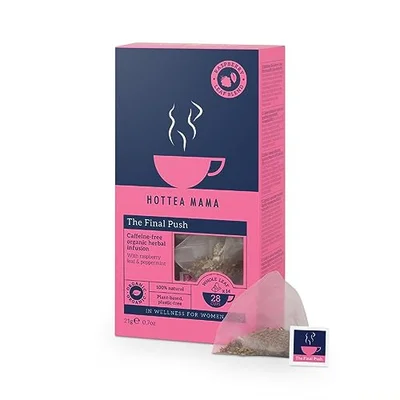
In your third trimester, raspberry leaf tea is a popular choice. It is not proven to start labour (despite what the internet says), but it is thought to help tone the uterus muscles, and many midwives are happy for you to start drinking it from around 32 weeks.

Eating for Recovery: Stocking Your Cupboards Before Baby Arrives
Here is something most pregnancy books skip entirely: what you eat in the weeks after birth matters just as much as what you eat during pregnancy. Your body is recovering from something enormous, and if you are breastfeeding, your nutritional needs are actually higher than they were while pregnant.
Before your due date, batch-cook some freezer meals. Think bolognese, soups, stews, and curries, anything you can reheat with one hand while holding a baby with the other. Stock up on easy snacks that require zero preparation: cereal bars, dried fruit, nuts, and pre-washed fruit.
A postnatal multivitamin designed for new mums can also help fill any gaps, especially if meals become unpredictable in those early weeks (and they will).
The Bottom Line
Pregnancy nutrition does not need to be complicated. Eat a variety of foods, take your supplements, drink enough water, and stop beating yourself up about the days when dinner is cereal. Your body is doing something extraordinary right now, and it knows what it is doing. Trust it.
If you want to build a wishlist of everything you will need for pregnancy, birth, and beyond, your BubsNest registry is a great place to start. Friends and family can chip in on the big stuff while you focus on growing that little human. You are doing brilliantly. 🌿
Ready to Create Your Baby Registry?
Start your free baby registry today and share it with friends and family.
Get Started Free