Safe Sleep for Babies: The Clear, Calm Guide to Peaceful Nights
Everything you need to know about setting up a safer sleep environment for your baby, from room temperature to sleep bags, without the scare tactics.
You have probably typed "is it safe if my baby..." into a search engine more times than you have slept since that positive test. Maybe it was 2 am and your newborn had rolled slightly to one side. Maybe someone at a baby group mentioned something about room temperature and now you are convinced your thermostat is trying to sabotage you.
Take a breath. You are not being paranoid. You are being a parent. And the good news is that safe sleep guidance is actually pretty straightforward once you strip away the conflicting advice, the terrifying forum threads, and the Instagram posts that make every cot look like a Pinterest photoshoot full of pillows and fairy lights. 🌛
This guide covers what the evidence actually says, what the practical setup looks like, and what you can stop worrying about. No scare tactics, no judgement, just clear information you can act on tonight.
The Golden Rules (There Are Fewer Than You Think)
Most safe sleep guidance boils down to a handful of principles. They are not complicated, but they are worth knowing properly rather than half-remembering from a leaflet you skimmed at your antenatal appointment.
- Always on their back. Every sleep, every nap, every time. Once your baby can roll both ways on their own, you do not need to keep flipping them back, but always start them on their back.
- Feet to foot. Place your baby with their feet touching the foot of the cot or moses basket. This stops them wriggling down under covers, though if you use a sleep bag (more on that in a moment), this matters less.
- Clear sleep space. Nothing in the cot except your baby and a fitted sheet. No pillows, no duvets, no bumpers, no soft toys, no loose blankets. Yes, those gorgeous cot sets on social media look beautiful. They are also not recommended.
- Same room as you for the first six months. This applies to every sleep, including daytime naps. It does not mean you need to be staring at them the entire time, just that they are within earshot.
- Firm, flat mattress. It should be clean, waterproof, and fit the cot snugly with no gaps around the edges.
That is genuinely most of it. Everything else is detail.
Where Your Baby Sleeps
For the first six months, the safest place for your baby to sleep is in a cot, moses basket, or bedside crib in the same room as you. Room sharing has been consistently shown to reduce the risk of sudden infant death, and it also makes night feeds significantly less painful because you do not have to stumble down a corridor at 3 am.
A bedside crib that attaches to your bed can be a lifesaver during those early weeks. You get the closeness of having your baby right next to you without the risks associated with bed sharing, and you can reach across to settle them without fully waking up.
Whatever you use, make sure the mattress is firm and flat. A brand new mattress is ideal, but if you are reusing one, check it is clean, dry, undamaged, and still fits tightly in the frame. If there are any gaps where a little arm or leg could get trapped, it is time for a new one.
What Your Baby Wears to Sleep
This is where things feel confusing, but it really comes down to one principle: keep your baby at a comfortable temperature without using loose bedding.
Sleep bags are the simplest solution. They are essentially wearable blankets that zip on, cannot ride up over your baby's face, and come in different TOG ratings for different seasons. A 1.0 TOG works for most of the year in a typically heated UK home. A 2.5 TOG is better for cooler winter nights. In high summer, a 0.5 TOG or even just a babygrow on its own might be enough.
For newborns who startle themselves awake (the Moro reflex, which is completely normal and will pass), a swaddle can help. Swaddling recreates that snug feeling from the womb and can genuinely help some babies settle. The key rules: always place a swaddled baby on their back, never swaddle above the shoulders, make sure the hips can move freely, and stop swaddling the moment your baby shows signs of rolling. That usually happens around 3 to 4 months.
Underneath the sleep bag or swaddle, a vest and a sleepsuit is usually plenty. The back of your baby's neck or tummy is the best place to check temperature. Their hands and feet will often feel cool, and that is normal. It does not mean they are cold.
Room Temperature: The Number Everyone Worries About
The recommended room temperature for a sleeping baby is between 16 and 20 degrees Celsius. That feels quite specific, and it can send new parents into a spiral of thermostat-watching. Here is the thing: the exact number matters less than the general principle, which is that overheating is a risk factor and a slightly cool room is safer than a warm one.
A simple room thermometer takes the guesswork out of it. Pop one near the cot (not right next to a radiator or window) and glance at it before bed. If the room is 18 degrees and your baby is in a 1.0 TOG sleep bag with a vest and sleepsuit underneath, you are in a good place.
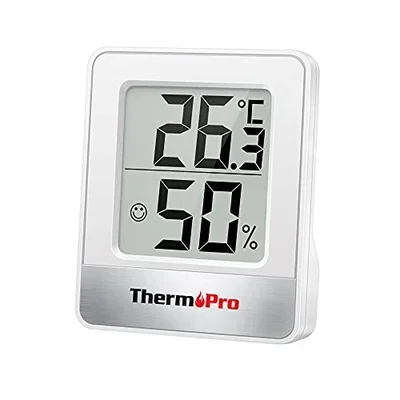
Signs of overheating include sweating, damp hair, flushed cheeks, heat rash, and rapid breathing. If your baby feels hot, remove a layer. It is always better to be slightly on the cool side.
Dummies and Safe Sleep
Here is a piece of guidance that surprises a lot of people: offering a dummy at the start of every sleep can actually be protective. Research suggests it reduces the risk of sudden infant death, though nobody is entirely sure why. The theory is that the sucking action helps keep the airway open and may prevent babies from falling into very deep sleep.
You do not need to force it. If your baby spits the dummy out once they are asleep, leave it. Do not reinsert it. And if you are breastfeeding, most guidance suggests waiting until feeding is well established (usually around 4 to 6 weeks) before introducing one.
The Co-Sleeping Question
This is the topic that generates the most heated debate, and it deserves a straight answer rather than a lecture.
The safest place for your baby to sleep is their own clear, flat sleep surface in the same room as you. That is what the evidence supports. Bed sharing increases risk, particularly if either parent smokes, has consumed alcohol or taken medication that causes drowsiness, or if the baby was born prematurely or had a low birth weight.
But here is the reality: many parents do end up bringing their baby into bed at some point, often during desperate night feeds when exhaustion takes over. If that happens, knowing how to make it as safe as possible is more useful than pretending it never will. Keep pillows and duvets well away from the baby. Never fall asleep with your baby on a sofa or armchair, as this carries a significantly higher risk than any other sleeping arrangement. And if you think there is any chance you might fall asleep during a feed, set up your bed as safely as you can before it happens.
When They Start Rolling
At some point, usually between 4 and 6 months, your baby will learn to roll. This is the milestone that sends safe sleep anxiety into overdrive, because suddenly your carefully placed back sleeper is flipping onto their tummy at 2 am and you are watching them on the monitor like a hawk.
The guidance here is reassuring: once your baby can roll both ways independently, you do not need to keep turning them back. Their motor control and strength have developed enough that the risk is significantly reduced. Keep placing them on their back to start with, and let them find their own position after that.
This is also the point where you stop swaddling (if you have not already) and switch to a sleep bag instead. A baby who can roll needs their arms free.
What About Baby Monitors?
A good video monitor gives you peace of mind without requiring you to hover over the cot all evening. You can see and hear your baby from another room, check they are settled without opening the door, and generally feel less anxious about those first few weeks of room sharing and beyond.
Sensor mats and wearable oxygen monitors are also available, but they are not a substitute for safe sleep practices. They can provide reassurance for some families, but they can also cause false alarms that increase anxiety rather than reduce it. Use them if they help you, but do not rely on them instead of following the basics.
The Stuff You Can Relax About
Safe sleep advice can feel overwhelming, so here are a few things you can actively stop worrying about.
- Hiccups and snuffles during sleep. Newborns are noisy sleepers. Grunting, squeaking, and random limb flailing are all normal.
- The occasional nap in a car seat or pushchair. These are fine for short periods while you are supervising. Just transfer your baby to a flat surface as soon as you can.
- Not having the "perfect" nursery. Your baby does not care about the wallpaper. They need a firm mattress, a clear cot, and you nearby. Everything else is decoration.
- Getting it wrong sometimes. You will find a muslin in the cot that you forgot to remove. You will accidentally let the room get too warm on a hot night. You will fall asleep during a feed. None of these make you a bad parent. Adjust and move on.
A Quick Reference Checklist
- Back to sleep, every time
- Feet to foot position
- Clear cot: no pillows, duvets, bumpers, or toys
- Firm, flat, clean mattress that fits the cot
- Room temperature between 16 and 20 degrees
- Sleep bag instead of loose blankets
- Room sharing for at least the first six months
- Offer a dummy at sleep time
- No smoking around the baby
- Stop swaddling when baby starts to roll
You already know more than you think you do. Trust the basics, trust your instincts, and try to get some sleep yourself. You are doing brilliantly. ✨
Ready to start building your baby essentials list? Create your Nest and add the sleep gear that works for your family.
Ready to Create Your Baby Registry?
Start your free baby registry today and share it with friends and family.
Get Started Free