Tiny Teeth, Big Battles: Making Toothbrushing Fun for Babies and Toddlers
Clamped jaws, chewed brushes and a toddler who suddenly wants to do it all by themselves. Here is how to turn twice-a-day brushing from a wrestling match into a routine your little one actually enjoys.
Here is a fact that stopped me in my tracks: tooth decay is one of the most common reasons young children in the UK end up having treatment in hospital. Not broken arms. Not ear infections. Teeth.
And the wildly frustrating part? Most of it is preventable with a toothbrush, a dab of the right toothpaste and two minutes a day.
Easy, right? Ha. Anyone who has tried to brush a 14-month-old's teeth knows it can feel more like trying to floss a crocodile. 🐊 So here is everything I wish I had known before the great bathroom standoffs began.
The Basics in One Minute
Before we get to the tricks, here is the official stuff, short and sweet. UK dental guidance currently says:
- Start as soon as the first tooth pops through. Usually around six months, but every baby is different.
- Brush twice a day. Last thing before bed, plus one other time.
- Use a fluoride toothpaste with at least 1,000ppm fluoride. Check the small print on the tube.
- Under threes get a smear. Just a thin film across the bristles.
- Three to six year olds get a pea-sized blob.
- Spit, don't rinse. Leaving a little toothpaste on the teeth helps the fluoride keep working.
That last one surprised me. I had been cheerfully swishing water round my son's mouth for months. Oops.
You will also be helping with brushing for longer than you might think. Most dentists suggest supervising until around age seven, because little hands simply can't reach every corner yet.
Getting the Brush In
With a tiny baby, the hardest part is often just getting anything near their gums without them chomping down. A soft finger brush is a lovely way to start, because it feels like you are just giving their mouth a gentle rub.
Once they have a few more teeth, move to a proper baby toothbrush with a small head and soft bristles. A few positions that help:
- The lap lie-down. Baby lies on your lap with their head towards your knees, so you can see straight into their mouth.
- The from-behind cuddle. Sit them on your lap facing away from you, tilt their head back against your chest and brush from above. It is how many dentists recommend doing it.
- The mirror stand. Older toddlers often co-operate better when they can watch what is going on.
Small circles, gentle pressure, and don't forget the backs of the teeth and along the gum line. You are aiming for about two minutes, but with a wriggly one-year-old, anything is a win.
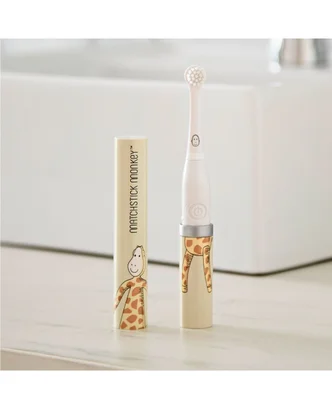
Some parents find an electric brush is a game changer. The gentle buzz can be fascinating rather than scary, and it does a lot of the work in less time, which matters when your window of co-operation is about nine seconds.

Turning It Into a Game
Toddlers don't do things because they are good for them. They do things because they are fun. So make brushing the most fun two minutes of the day. Well, nearly.
- Find the hiding animals. "Is there a lion in there? Let me look... Oh! There's a giraffe at the back!" Mouths open surprisingly wide for a giraffe.
- Brush the bear first. Let them brush a teddy's teeth, then it is their turn.
- Swap brushes. They brush your teeth while you brush theirs. Chaotic, a bit dribbly, very effective.
- Play a song. A two-minute tune gives everyone a clear finish line.
- Roar like a lion. Big roar, big open mouth, quick brush of the back teeth.
Stories help too. A book about brushing gives your toddler a character to copy, and suddenly it is their idea, not yours. This puppet brush and book set does double duty: the finger puppet is the brush, so the story and the routine blend together nicely.
Sticker charts can work brilliantly for two-and-a-half plus. Keep it simple: one sticker per brush, small treat (not a sweet!) for a full week.
Let Them Have a Go (Then Finish the Job)
Around 18 months to two years, the independence streak arrives. "ME DO IT!" becomes the soundtrack of every bathroom visit.
Honestly? Lean into it. Fighting a toddler who wants control is a losing battle, so give them some.
- Let them choose between two brushes, or two colours.
- Let them squeeze the toothpaste (with your hand guiding, unless you want the whole tube on the sink).
- Let them have the first go, then you do "the checking brush" afterwards.
Giving them their own spot at the sink makes a huge difference. A sturdy step stool means they can see themselves in the mirror, reach the tap and spit like a grown-up, which, let's face it, is the best bit for most toddlers. 😄
It will also come in handy for handwashing and, eventually, potty training. Not bad for one little stool.
Your First Dentist Visit
You don't need to wait for a problem to book in. The general advice is to take your child to the dentist when their first teeth appear, and NHS dental care is free for children.
Early visits are mostly about getting comfortable. Your little one might just sit on your lap while the dentist has a quick look and counts their teeth. It is a lovely chance to ask questions too, like whether your water is fluoridated or how to brush those tricky back molars.
A few tips for a happy first appointment:
- Book a slot that isn't near nap time.
- Bring them along to your own check-up first so it feels familiar.
- Read a dentist picture book in the week before.
- Keep your own voice calm and cheerful, even if you secretly hate the dentist.
Finding an NHS dentist taking on new patients can be tricky in some areas. If you are struggling, your health visitor or local NHS 111 service can point you in the right direction.
When It All Goes Wrong Anyway
Some nights, despite every song, puppet and giraffe, it just won't happen. They clamp shut. They cry. You cry a little bit too.
That is okay. One rubbish brush doesn't undo all your good work. Try again in the morning and keep the mood light.
A few things that might help on tough days:
- Brush at a different time, like straight after the bath rather than just before bed.
- Try a different flavour. Some kids hate mint, and milder children's toothpastes are easy to find.
- Keep it short. Thirty seconds of happy brushing beats two minutes of screaming.
- Cut down on sugary drinks and snacks between meals, so the brushing isn't doing all the heavy lifting.
If you notice anything that worries you, like discoloured patches, swelling, or your child seems to be in pain when eating, don't try to diagnose it at home. Speak to your dentist, GP or health visitor, who can take a proper look.
Little Habits, Lifelong Smiles
Twice a day, every day, for years. It sounds relentless, and some evenings it will feel it. But you are building a habit your child will carry for the rest of their life, and that is a pretty wonderful thing to give them.
And if you are putting together a wishlist for a first birthday or a new arrival, a couple of fun toothbrushes and a step stool make surprisingly useful gifts. Add them to your BubsNest wishlist so friends and family know exactly what will help. 🪥
Ready to Create Your Baby Registry?
Start your free baby registry today and share it with friends and family.
Get Started Free