Top to Toe: A Gentle Newborn Grooming Guide for Nails, Hair and Little Creases
Tiny nails, flaky scalps and milky neck folds. A calm, top-to-toe guide to keeping your newborn clean and comfy, plus the few bits of kit that genuinely help.
Myth: the best way to shorten a newborn's nails is to nibble them off. Your nan swears by it. Half the parents at baby group have tried it.
Here's the thing though. Mouths are full of bacteria, and a tiny nibbled nail can leave a little nick that gets sore. There are much kinder ways to do it, and none of them involve your teeth. 😅
Grooming a newborn feels oddly high stakes. Everything is so small and so soft, and they wriggle at exactly the wrong moment. The good news? You need far less kit and far less skill than you think. Let's go from the top of that fluffy head right down to those ten tiny toes.
Head: Hair, Scalp and That Flaky Bit
Some babies arrive with a full rockstar mop. Others are gloriously bald. Either way, the scalp needs very little in the early weeks.
Plain warm water during a bath is plenty to start with. If your baby has a lot of hair, a tiny drop of mild baby wash is fine every so often. Rinse with a damp flannel or cupped hand, keeping water away from their eyes.
Then there's cradle cap. Those yellowy, flaky or slightly greasy patches on the scalp are really common in the first few months and usually don't bother babies at all. They tend to bother parents far more!
- Resist picking at the flakes, tempting as it is
- A soft-bristled baby brush used gently after a bath can help loosen them over time
- Some parents massage in a little plain, unperfumed oil or a cream made for cradle cap, then brush softly
- If the skin looks red, sore, weepy, or spreads beyond the scalp, check in with your GP or health visitor
A soft goat-bristle brush is lovely to have anyway. Babies often find the gentle stroking soothing, and it doubles as a calming part of the bedtime routine.
If you'd like something specifically made for flaky scalps, a gentle cradle cap cream is a handy cupboard staple. Always patch test, and stop if anything looks irritated.
Face: Eyes, Nose and Ears
Faces get a quick once-over with cooled boiled water and cotton wool. That's genuinely it.
- Eyes: use a fresh piece of cotton wool for each eye, wiping gently from the inner corner outwards
- Nose: wipe around the outside only. Little crusty bits often sort themselves out with a sneeze
- Ears: clean behind and around the outer ear with a damp cloth. Never poke anything inside, cotton buds included
If eyes look sticky for more than a day or two, or anything seems red or uncomfortable, pop it on your list for your health visitor or GP.
Neck and Creases: Where the Milk Hides
Ah, the neck rolls. Gorgeous to kiss, brilliant at collecting dribbled milk and fluff.
Newborns have barely any neck to speak of, so milk trickles straight into those folds and sits there. Left alone, it can get a bit cheesy (sorry) and the skin can turn pink and sore.
The fix is simple: gently tilt their chin up during a nappy change or after a feed, wipe the creases with a damp cotton pad, then pat completely dry. Dry is the important bit. Do the same for armpits, behind the knees and the chubby wrist folds when they appear.
Have you noticed a little sour smell when you snuggle in close? Nine times out of ten, it's the neck. 🍼
Hands: Those Surprisingly Sharp Little Nails
Newborn nails are paper thin, grow fast, and can be startlingly sharp. Plenty of babies give themselves little scratches on their faces in the first weeks.
In the very early days, nails are often so soft they're stuck to the skin underneath, so many parents simply pop on scratch mitts or sleepsuits with fold-over cuffs for a little while. Once the nails separate a bit, it's time to keep them short.
A few tips that make it far less nerve-wracking:
- Pick your moment. Asleep, or very drowsy after a feed, is golden
- Good light. Daylight or a bright lamp makes a huge difference
- Press the fingertip pad down gently, away from the nail, so you can see where to cut
- Follow the curve on fingernails, and finish with a quick file to soften any edges
- Tag team it. One person holds and distracts, the other trims
Lots of parents start with a file rather than clippers. An electric nail file buffs the nail down slowly with soft pads, so there's no clipping at all. Brilliant if you're nervous, and handy for keeping edges smooth between trims.
If you nick the skin (it happens to almost everyone, please don't beat yourself up), press a clean, soft cloth on it gently until it stops. No plasters on tiny fingers, as they're a choking risk.
Feet: Ten Tiny Toes
Good news: toenails grow much more slowly than fingernails, so you'll be trimming them far less often. Every couple of weeks is usually plenty.
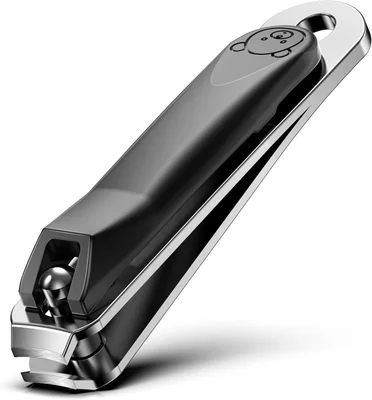
Toenails should be cut straight across rather than curved. This helps stop the corners growing into the skin. Small, rounded baby clippers with a short jaw give you more control than adult ones, which feel enormous next to a baby's foot.

While you're down there, a quick wipe between the toes after a bath catches all the fluff from socks and sleepsuits. You will be amazed how much collects. Every. Single. Day.
Your Top-to-Toe Takeaway
Grooming a newborn isn't about a full spa routine. It's a few gentle minutes, a warm flannel, and the confidence that comes from doing it a handful of times.
- Water first, products only if you need them
- Dry the creases properly
- Trim when they're sleepy, file to finish
- Anything that looks sore, weepy or worrying goes to your GP or health visitor
Grooming bits make perfect small gifts, too. If friends and family keep asking what you need, pop a brush, a nail file and some soft flannels on your BubsNest wishlist and let them help. Those ten tiny toes will thank you. 💛
Ready to Create Your Baby Registry?
Start your free baby registry today and share it with friends and family.
Get Started Free