
Antenatal Classes: What to Expect, What Nobody Mentions, and Whether They're Worth It
Wondering whether antenatal classes are worth the money? Here's what they actually cover, what they skip, and how to find the right one for you.
Can You Just YouTube It Instead?
Somewhere around the 20-week mark, the question lands. Should you sign up for antenatal classes? Are they actually worth the money, or could you just binge a few YouTube videos in your pyjamas and call it prepared?
It is a fair question. Antenatal classes are not cheap, and the free ones are not always easy to book. But here is what nobody tells you upfront: the real value of a good antenatal class is not just the information. It is the people you meet, the questions you did not know you had, and the strange comfort of sitting in a room full of other slightly terrified adults who are all pretending to be fine. 🤰
Let us break it all down.
What Types of Antenatal Classes Actually Exist?
There are more options than most people realise, and they are not all the same.
NHS antenatal classes are free and run by midwives at your local hospital or children's centre. They tend to focus on the medical side of labour, pain relief options, and what happens during birth. They are practical and no-nonsense, though availability varies wildly depending on where you live. Some areas have month-long waiting lists. Others barely run them at all.
NCT classes are the ones everyone has heard of. They run in small groups over several weeks and cover everything from labour and birth to feeding and early parenting. They cost between £200 and £400 depending on your area, which is not pocket change. The biggest draw? The friendships. NCT groups famously become your lifeline in the early weeks, the people who understand why you are texting at 4am about nappy colours.
Private and independent classes range from hypnobirthing courses to active birth workshops. Some are in-person, some are online, and they tend to focus on a specific approach to birth. Prices vary from around £50 for a one-day workshop to £300 or more for a full course.
Online courses have exploded since 2020. They are cheaper, flexible, and you can do them in your pants on the sofa, which is honestly the dream in your third trimester. The trade-off is that you miss the social element, and it is much easier to get distracted by your phone halfway through a module on perineal massage.
What Will You Actually Learn?
Most decent antenatal classes cover the same core ground, though the emphasis varies.
- Stages of labour - what early labour feels like, when to go to hospital, and what happens when things do not go to plan
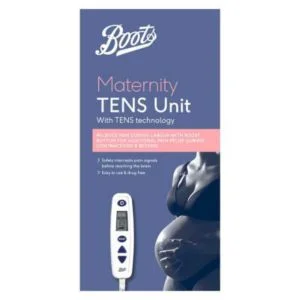
- Pain relief options - from breathing techniques and TENS machines to gas and air, epidurals, and everything in between
- Birthing positions - because lying flat on your back is not the only option, even though every film ever made would have you believe otherwise
- Feeding your baby - breastfeeding basics, bottle feeding, and usually a practical session on latching and positioning
- The first few days at home - nappy changes, bathing, safe sleep, and what is normal for a newborn

The best classes also leave room for questions, partner involvement, and honest conversations about what birth actually looks like. The worst ones read from a PowerPoint and send you home none the wiser.
What They Do Not Cover (That You Will Wish They Had)
Here is the bit that catches everyone off guard. Even the best antenatal class leaves gaps.
Postpartum recovery. Most classes spend 90% of their time on birth and 10% on everything that comes after, which is wildly disproportionate given that the "after" part lasts considerably longer. Nobody warns you about the night sweats, the hair loss, or the fact that your first post-birth wee might make you weep.
Mental health. Baby blues versus postnatal depression, anxiety, the overwhelming feeling that everyone else is coping better than you. Some classes mention it. Most skim past it. It deserves a lot more airtime than it gets.
Relationship changes. Having a baby rewires your partnership in ways neither of you expect. Sleep deprivation, different parenting instincts, the silent resentment of who got up last. A five-minute mention at the end of week four does not begin to cover it.
What happens when your birth plan goes sideways. Classes teach you to write a birth plan, which is lovely. Fewer of them teach you how to feel okay when none of it goes according to plan, which is what actually happens to a significant number of people.
So Are They Actually Worth the Money?
Honestly? It depends on what you are looking for.
If you want solid, evidence-based information about birth and early parenting, a good antenatal class delivers that. You will leave feeling more informed, more confident, and less likely to spiral at 2am about something you could have just asked a midwife.
If you want a social network of other parents at the same stage as you, NCT or similar small-group classes are hard to beat. Those friendships can be genuinely transformative in the early months, when your world shrinks to the size of your living room and you need someone who gets it.
If money is tight, NHS classes are absolutely worth booking early (they fill up fast). And a well-reviewed online course can give you 80% of the information for a fraction of the price. You will just need to find your parent friends elsewhere, which is entirely doable through baby groups, apps, or simply making eye contact with another exhausted-looking person in the park.
The one thing that is genuinely not worth doing? Nothing at all. Even a free YouTube playlist is better than walking into labour with zero preparation. Birth is not a surprise party you want to wing. 😊
How to Get the Most Out of Whichever Class You Pick
Bring your birth partner. Whether that is your partner, your mum, or your best friend, the person who will be with you during labour needs to hear this stuff too. They cannot support you if they do not know what is happening.
Write down your questions beforehand. You will forget them otherwise. Pregnancy brain is real and it does not care that you had a very important question about water births.
Do not compare. Every pregnancy is different, every birth is different, and the person in your class who seems to have it all figured out is almost certainly panicking on the inside just like you are.

Look into birth preparation alongside your classes. Techniques like hypnobirthing, active birth, and breathing exercises can work beautifully alongside a more traditional antenatal course. They give you practical tools for the delivery room that standard classes sometimes only touch on briefly.
The Part Nobody Says Out Loud
The best thing about antenatal classes is not actually the classes. It is the moment you look around the room and realise that every single person there is just as nervous, just as clueless, and just as determined to get this right as you are.
That feeling, that shared "we are all in this together" energy, is worth more than any slide about dilation stages. It is the start of a support network that will carry you through the hardest, most beautiful, most bewildering weeks of your life.
And if you are building your baby wishlist alongside your birth prep, you might as well have everything in one place. Start your BubsNest wishlist and let the people who love you help with the practical stuff while you focus on the big stuff.
You have got this. Class or no class, you have got this.
Ready to Create Your Baby Registry?
Start your free baby registry today and share it with friends and family.
Get Started Free