Baby Carriers by Budget: £20 vs £70 vs £160
Three price tiers, three well-known brands, one honest comparison. Find out which baby carrier delivers the best value for your family.
COMPARISON · ON THE GO
Choosing a baby carrier is one of those decisions that feels simple until you start looking. Structured carriers, wraps, slings, hip seats - the options multiply fast, and prices range from under £20 to well over £200. The question most parents actually want answered is not "which carrier exists" but "what do I get for spending more?"
We picked three carriers at three clear price points - budget, mid-range and premium - from brands you will recognise: Kinderkraft, Ergobaby and BabyBjörn. Each represents a different philosophy about what a baby carrier should do and how long it should last. The £20 Carrybee aims to cover the basics well. The £70 Embrace focuses on newborn comfort. The £157 Harmony tries to do everything, from newborn through to age three.
To make this comparison fair, we looked at real-world durability, comfort for both parent and baby, ease of use, breathability, ergonomic credentials and, crucially, how long each carrier stays useful. We also listened to what parents who actually own these carriers say about living with them day to day. No carrier is perfect for everyone, but one of these three is almost certainly right for you.
Lil' Bubba's verdicts
- Best Overall: BabyBjörn Harmony · 9.0/10 - Premium comfort and longest usable lifespan, from newborn to age three
- Best for Newborns: Ergobaby Embrace · 8.5/10 - The cosiest newborn carrier we have seen, with wrap-like softness in a structured design
- Best Value: Kinderkraft Carrybee · 7.5/10 - Surprising quality at under £20, with back carry included
| Kinderkraft Carrybee | Ergobaby Embrace | BabyBjörn Harmony | |
|---|---|---|---|
| Price | ~£20 | ~£70 | ~£157 |
| Weight range | ~3 months to 20 kg | 3.2 kg to 11.3 kg | 3.2 kg to 15 kg |
| Carry positions | Front-inward, back | Front-inward, front-outward | Front-inward, front-outward, back, newborn |
| Materials | Cotton and polyester mesh | Oeko-Tex jersey or mesh | 3D mesh, recycled polyester |
| Machine washable | Yes | Yes | Yes (40°C) |
| Hip-healthy | M-position design | M-position certified | IHDI approved |
| Rating |
How we picked the 3
We wanted this guide to reflect the real choices parents face, not just line up products by star rating. We started with three distinct price brackets - under £30, £50 to £100, and over £130 - then looked for the carrier that best represents each tier. All three needed to be ergonomic (supporting the M-position for healthy hip development), available from UK retailers and currently in stock. We cross-referenced parent feedback from forums, review aggregators and direct community input, focusing on carriers people actually recommend rather than those with the loudest marketing.
What to look for in a baby carrier
Before diving into specific products, it helps to know what separates a good carrier from a frustrating one. Here are the things that actually matter.
Ergonomic seating (the M-position). Your baby's knees should sit higher than their bottom, with legs spread naturally around your torso. This "frog-leg" position protects developing hip joints. All three carriers here achieve this, but the quality of the seat panel and adjustability varies.
Weight range and longevity. Budget carriers sometimes cap out around 12-15 kg, while premium options push to 20 kg and beyond. If you want one carrier from birth to toddlerhood, check the upper limit carefully. Some carriers technically fit newborns but feel floppy until the baby has head control.
Comfort for the wearer. Padded shoulder straps, a supportive waist belt and even weight distribution matter enormously once your baby passes 6 kg. Lighter babies feel fine in almost anything, but a 10 kg toddler will test a carrier's design quickly.
Breathability. Mesh panels or mesh-blend fabrics make a big difference in warmer weather. Cotton carriers trap more heat, which is fine in winter but uncomfortable during a July walk.
Ease of use. Can you get it on and baby secured without help? Fewer buckles and clips generally mean faster on-and-off, though very minimal designs can feel less secure to new parents. The ideal is a carrier you can put on confidently within 30 seconds.
Carry positions. Front-inward suits newborns. Front-outward works once baby has strong neck control (usually around 5 months). Back carry is useful for older babies and toddlers. Not every carrier offers all three, and that is fine if you know what you need.
1. Kinderkraft Carrybee
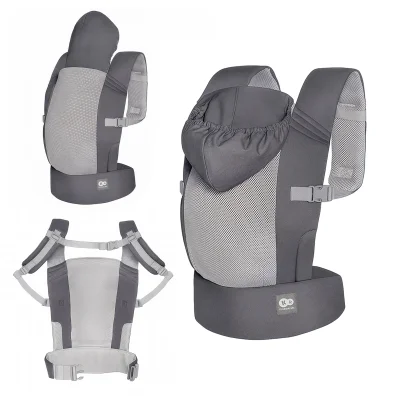
At under £20, the Kinderkraft Carrybee is almost suspiciously affordable. Polish brand Kinderkraft has built a reputation for delivering functional baby gear at prices that undercut most competitors, and the Carrybee follows that pattern. It is a structured carrier with two carry positions - front-inward and back - designed for babies from around 3 months up to 20 kg.
The cotton and polyester mesh construction keeps things breathable without feeling flimsy, and the detachable hood is a genuinely useful touch for napping on the go or shielding from light drizzle. The adjustable elements are straightforward if not luxurious, and the overall weight is impressively light for a carrier that supports back carry.
What parents love
- Unbeatable price. A parent shared: "I bought it expecting to upgrade within a month. Six months later, we still use it every day."
- Back carry included. Most budget carriers only offer front carry. The Carrybee includes back carry, which is a real advantage once baby is older and heavier.
- Lightweight and packable. The carrier folds down small enough to tuck into a changing bag, making it a good secondary carrier for grandparents or childminders.
What to know before you buy
- Not from birth. The Carrybee starts at around 3 months, so newborn parents will need a separate solution for the first weeks.
- Shoulder padding is minimal. Fine for short trips, but longer walks with a heavier baby may leave your shoulders feeling the weight.
- No front-outward position. If your baby likes looking at the world, you will miss this option.
Best for
- Parents on a tight budget who still want ergonomic quality
- Families who need a second carrier for grandparents or nursery
- Anyone who wants back carry without paying premium prices

2. Ergobaby Embrace
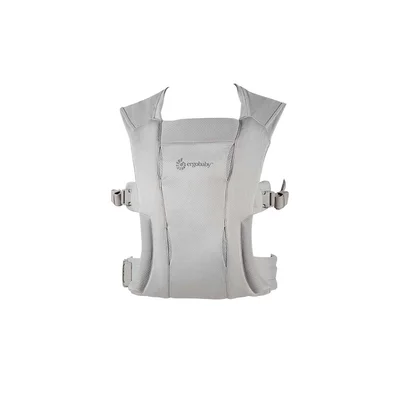
The Ergobaby Embrace sits in a sweet spot that few carriers manage. It feels like a stretchy wrap - soft, warm and close - but clips together like a structured carrier, which means no complicated wrapping technique to learn. For the newborn phase specifically, it is hard to beat.
Available in jersey knit or cool mesh, the Embrace uses just three fasteners (one waist buckle and two shoulder clips), making it one of the simplest carriers to put on and take off. The Oeko-Tex certified fabric feels genuinely premium against skin, and the whole thing folds up small enough to fit in a coat pocket. Ergobaby designed this specifically for the fourth trimester, and it shows.
What parents love
- Wrap-like closeness, structured simplicity. One parent told us: "It is the best of both worlds. My baby falls asleep within minutes, and I do not have to wrestle with five metres of fabric."
- Brilliant for unsettled evenings. Parents we hear from regularly say the Embrace is their go-to for calming fussy babies. The snug fit and gentle pressure seem to soothe effectively.
- Fits different body types well. The crossover shoulder straps and adjustable waist suit a wide range of frames, from petite to tall.
- Strong resale value. Ergobaby carriers hold their price well secondhand, which softens the initial cost.
What to know before you buy
- Limited lifespan. The 11.3 kg upper limit means most babies outgrow it by 7-10 months. If you want a carrier that lasts into toddlerhood, this is not it.
- No back carry. The Embrace is strictly a front carrier. Once your baby wants to face outward on your back, you will need something else.
Best for
- New parents who want the closest thing to a wrap without the learning curve
- The fourth trimester and early months, when closeness matters most
- Parents who plan to buy a second carrier for the toddler phase anyway
- Anyone who values portability - this folds down smaller than a nappy bag

3. BabyBjörn Harmony
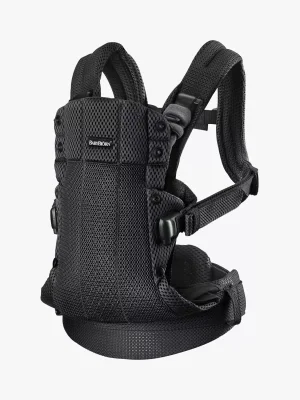
The BabyBjörn Harmony is their flagship carrier, and the price reflects it. What you get for £157 is a carrier that works from newborn (3.2 kg) all the way to age three (15 kg), in four carry positions, with padding and build quality that set a genuine benchmark.
The 3D mesh fabric is soft where it touches your baby (jersey-lined around the face and head) and structured where it needs to support weight. The waist belt distributes load effectively, padded shoulder straps stay comfortable over long walks, and the adjustable back support means this is a carrier that genuinely works for both a 4 kg newborn and a 12 kg toddler. It has also picked up awards from leading UK parenting publications in 2026.
What parents love
- Longevity. A parent shared: "We bought this when our daughter was three weeks old. She is nearly two and a half now, and we still use it for long walks. Nothing else we own has had this much use."
- Comfort for the wearer. We hear repeatedly from parents that back and shoulder pain is noticeably less with the Harmony compared to other carriers they have tried. One parent put it best: "No regrets - it is steady and easy to use. Much better for our back than a couple of other brands we have tried."
- Four carry positions. Newborn mode, front-inward, front-outward and back carry cover every stage without needing a second carrier.
- Machine washable at 40 degrees. For a carrier this well-padded, that is a genuine relief. It dries quickly too.
What to know before you buy
- Adjustability takes a moment. With so many adjustment points, switching between wearers is not instant. Not a problem for single-wearer households, but couples who swap frequently may find it fiddly.
- The price. At £157, this is a significant investment. For parents who only plan to carry for a few months, the cost per use may not justify it.
- Heavier than simpler carriers. The padding that makes it comfortable also adds bulk. Not the most packable option for travel.
Best for
- Parents who want one carrier from newborn through toddlerhood
- Active families who walk or hike regularly and need long-wearing comfort
- Anyone who prioritises build quality and is happy to invest upfront


How to choose
If you are working with a tight budget or need a backup carrier for grandparents, the Kinderkraft Carrybee delivers remarkable value. It will not pamper your shoulders on a two-hour walk, but for school runs, quick errands and around the house, it does the job honestly at a price that takes the pressure off.
If your baby is under six months and closeness is the priority, the Ergobaby Embrace is exceptional. Think of it as a specialist tool for the newborn months. You will likely need something else later, but those early months of snug, easy carrying are worth paying for.
If you want to buy once and carry for years, the BabyBjörn Harmony justifies its price through sheer longevity and comfort. From the first wobbly-headed weeks through to a toddler who decides they no longer want to walk, it handles every phase with confidence. The cost per use drops fast when you are still reaching for it two years later.
Add it to your Nest
Whichever carrier fits your family and budget, you can add it straight to your free BubsNest registry. It is one of those items that makes a brilliant gift request - practical, personal and something you will genuinely use every single day.
Ready to Create Your Baby Registry?
Start your free baby registry today and share it with friends and family.
Get Started Free