Buckle Up, Mum-to-Be: Driving and Car Journeys Through Pregnancy
Where the seat belt really goes, how far back to push your seat, and how to make long drives (and the drive to hospital) comfier with a bump.
Pop quiz. When you're pregnant, where should the lap part of your seat belt go?
- a) Straight across the middle of the bump
- b) Above the bump, round your ribs
- c) Low down, under the bump and across your hips
If you said c), gold star. ⭐ If you hesitated, you're far from alone. Loads of mums-to-be have never actually been shown, and the bump has a habit of changing the answer to "how do I sit in my own car?" every few weeks.
So whether it's the daily commute, the school run or the big drive to the in-laws at Christmas, here's how to make car journeys safer and comfier, from the belt to the boot.
The belt: low, snug and never skipped
Let's start with the bit that matters most. Wearing your seat belt properly is one of the best things you can do for you and your baby in a car. In the UK it's the law in pregnancy too, unless a doctor has given you a specific exemption certificate (which is rare).
Here's the three-step check to do every time you buckle up:
- Lap belt: flat across your thighs and hip bones, sitting under the bump. Never across it.
- Diagonal strap: over your shoulder (not your neck), down between your breasts and round the side of the bump.
- Snug fit: pull out any slack. Bulky coats make belts sit loose, so pop the big puffer on the back seat and use a blanket if you're chilly.
Sounds simple. But as the bump grows, that lap belt loves to creep upwards, especially on bumpy roads or in seats that sit you low.
That's where a belt positioner comes in for some mums. It's not a must-have, and the normal belt worn correctly is what all the guidance is built around. But if yours keeps riding up, a well-made positioner from a car seat brand can help keep it where it should be.


If you do use one, fit it exactly as the instructions say, and if you're ever unsure, ask your midwife or the retailer to talk you through it.
Your seat and the steering wheel
Here's a sneaky one. The driving position you had before pregnancy probably puts the bump closer to the steering wheel than you'd like.
- Slide the seat back as far as you can while still reaching the pedals comfortably.
- Keep a good gap between your breastbone and the wheel. Around 25cm (roughly a hand-span and a half) is a handy rule of thumb.
- Tilt the steering wheel so it points towards your chest, not your bump.
- Don't switch off the airbag. It's designed to protect you, and the gap above is what keeps it working well.
A small cushion or rolled towel behind your lower back can make a world of difference to achy hips and back. Just keep it slim enough that you're still sitting properly in the seat.
And if driving starts to feel cramped, tiring or just plain uncomfortable? That's your cue to hand over the keys more often. There's no fixed week when you have to stop, it's about how you feel and whether you can move and react easily.
Long journeys: little and often
A two-hour drive with a bump can feel like six. Your bladder has opinions. Your ankles have opinions. Your baby, it turns out, loves a motorway kick-about. 🚗
Pregnancy also raises the risk of blood clots, so long stretches of sitting still aren't ideal. A few easy habits help:
- Stop regularly. Plan a break every hour or two for a loo stop and a proper stretch of the legs.
- Move while you sit. As a passenger, circle your ankles and flex your feet every so often.
- Keep sipping. A water bottle within reach means fewer headaches and less tiredness, even if it does mean more service stations.
- Snack smart. Plain crackers, oatcakes or fruit help with travel queasiness and keep energy up.
- Ask about longer trips. Going on a really long journey? Chat to your midwife first. They may suggest compression stockings or other tips that suit your pregnancy.
Always pop your maternity notes in the glovebox or your bag when travelling further from home. If you need to be seen somewhere unfamiliar, it saves a lot of explaining.
Getting in and out (gracefully, ish)
Nobody looks elegant climbing out of a hatchback at 38 weeks. But there is a technique.
- Bottom first: sit down sideways on the seat, then swing both legs in together. Reverse it to get out.
- Knees together: keeping knees together as you swivel is much kinder to a sore pelvis.
- Park with space: pick spaces where you can open the door fully. Some supermarkets have parent and child bays that are fine to use in late pregnancy too.
- Plastic bag trick: a carrier bag on the seat makes swivelling easier on fabric seats. Just remove it before you drive.
The late-pregnancy car checklist
From around 36 weeks, your car becomes part of your birth plan. Here's what to get sorted.
1. Don't plan to drive yourself in labour. Contractions and driving don't mix. Line up your birth partner, a friend on standby and a taxi number, and save the maternity unit's number in your phone.
2. Do a practice run. Drive the route to the hospital or birth centre at a couple of different times of day. Find out where to park, whether you need coins or an app, and which entrance is open at night.
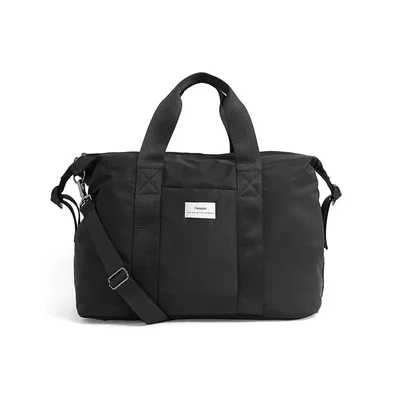
3. Hospital bag in the boot. Lots of families keep the bag in the car from 37 weeks, so it can't be forgotten in the rush. A roomy holdall that later doubles as a changing bag earns its place twice over.

4. Fit the baby car seat now, not on the day. If your baby is born in hospital and you're driving home, you'll need a rear-facing infant car seat ready to go. Fitting it for the first time in a hospital car park, sleep-deprived and sore, is nobody's idea of fun.
Practise clicking it in and out of the base or belting it in, and work out the harness straps. Remember: a rear-facing seat must never go in a front seat with an active airbag.
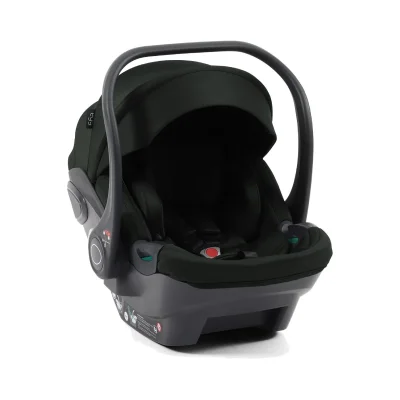

If the car seat is still a "we'll sort it later" job, pop it on your wishlist on BubsNest. It's one of the most popular things for family to club together on.
5. Fuel up. Keep the tank at least half full in the last few weeks. Babies have zero respect for petrol station opening hours.
Quick reminders worth saving
- Lap belt under the bump, diagonal strap to the side. Every single journey.
- Seat back, wheel tilted up, airbag on.
- Break every hour or two on long drives.
- After any bump or accident in the car, even a minor one, contact your midwife or maternity unit to get checked, even if you feel fine.
That last one's important. A little shunt might seem like nothing, but your maternity team would much rather see you and send you home happy.
So adjust that seat, check that belt and pop some snacks in the door pocket. You've got this, one comfy journey at a time. 💛
Ready to Create Your Baby Registry?
Start your free baby registry today and share it with friends and family.
Get Started Free