Choosing a Highchair: What Actually Matters When Your Baby Starts Solids
Your baby will eat over a thousand meals in their highchair. Here is how to pick one that works for weaning, everyday mealtimes, and beyond.
Your baby will eat somewhere around 1,100 meals in a highchair before their third birthday. That is breakfast, lunch, dinner, and a frankly absurd number of rice cake snack sessions, all happening in the same seat. And yet most of us spend more time researching pushchairs than we ever spend thinking about where our child will sit to eat. 🍽️
To be fair, the pushchair aisle is louder. Highchairs sit quietly in the corner of the baby shop, looking more or less the same until you start reading spec sheets and realise some cost £50 and others cost £350, and both claim to be "the one parents love."
So what actually matters? After looking at how parents use highchairs in practice, reading through hundreds of reviews, and comparing what sells versus what sits in the corner gathering dust, here is the stuff worth caring about, and the stuff you can cheerfully ignore.
When Does Your Baby Need a Highchair?
Most babies are ready for a highchair at around six months, which is when the current guidance suggests starting solid food. The signs you are looking for are sitting up with minimal support, showing interest in what you are eating, and being able to hold their head steady.
Some parents buy the highchair weeks before weaning starts, which is actually smart. It gives your baby time to get used to sitting in it before food enters the equation. Pop them in during family mealtimes with a toy or a teething ring and let them get comfortable with the height, the straps, and being at the table with everyone else.
You do not need a highchair from birth, despite what some marketing copy suggests. Yes, some chairs recline flat for newborns, but a bouncer or Moses basket does that job perfectly well. You are paying extra for a feature you will use for a few months and then never touch again.
The Features That Actually Matter
Not all highchair features are created equal. Some make a genuine difference to daily life. Others look impressive in the showroom and quietly become irrelevant the moment spaghetti bolognese hits the tray.
A proper footrest
This is the one feature that separates a good highchair from a mediocre one, and it is the one most people overlook. When your baby's feet dangle in mid-air, they cannot sit as upright or feel as stable. A solid, adjustable footrest lets them brace their feet, which actually helps with posture, chewing, and staying calm during meals. Occupational therapists bang on about this one for a reason.
A five-point harness
Non-negotiable for safety, especially in the early months when your baby is still learning to sit confidently. Some chairs use a three-point harness, which is fine once they are older, but a five-point gives you much more security during that wobbly early weaning stage. Check that the harness is easy to adjust and, crucially, easy to wipe. Bolognese gets everywhere.
Easy cleaning
This sounds obvious, but it is worth saying: every crevice in a highchair will, at some point, contain food. Smooth surfaces, removable trays, and as few fabric parts as possible will save you from a nightly archaeology dig with a toothpick. If the seat pad is removable and machine washable, that is a genuine bonus. If it is fixed upholstery with stitched seams, run.
Height adjustment
Being able to bring the chair right up to the dining table matters more than you might think. Eating together as a family is one of the best things you can do for a baby's relationship with food, and that works best when they are at the same height as everyone else, not parked two feet away on a separate tray.
The Features That Sound Great But Rarely Are
Baby gear marketing is an art form. Here are the features that look brilliant on the box and deliver less in real life.
Newborn recline
Some highchairs advertise use "from birth" with a lie-flat recline position. In practice, you already have something for your newborn to lie in. What you need is a highchair that works brilliantly from six months. A recline mechanism adds cost, weight, and usually complexity, and you will stop using it within weeks.
Excessive padding
A thick, cushioned seat looks cosy. It also absorbs pureed carrot like a sponge and takes an age to dry after washing. The best highchairs use wipe-clean surfaces with minimal padding, or a thin removable cushion that goes in the machine. Your baby will not notice the difference between a padded throne and a smooth wooden seat. Your laundry pile will.
Built-in toy bars
A highchair is for eating. A toy bar encourages playing. These two activities are best kept separate if you want mealtimes to go smoothly. Most parents remove the toy bar within a few weeks and never reattach it.
The Three Types Worth Knowing About
Highchairs broadly fall into three camps. Each has genuine strengths, and the right one depends on your kitchen, your lifestyle, and how long you want it to last.
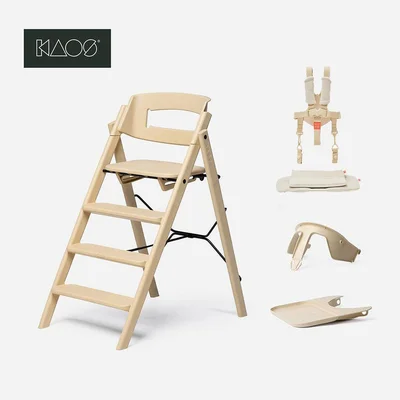
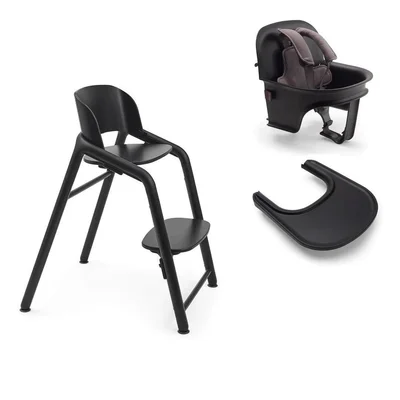
The grows-with-baby wooden chair
These are the Scandinavian-design, "lasts until adulthood" chairs. Think solid wood, adjustable seat and footrest heights, and a baby set that clips on for the early months then comes off as your child grows. They pull right up to the table, look beautiful in the kitchen, and hold their value well if you want to resell.
The trade-off? They tend to cost more upfront, they do not fold, and they take up floor space permanently. If your kitchen is tiny, that might be a dealbreaker. But if you have the room, these are the ones parents use for years and say were worth every penny.



The full-featured folding chair
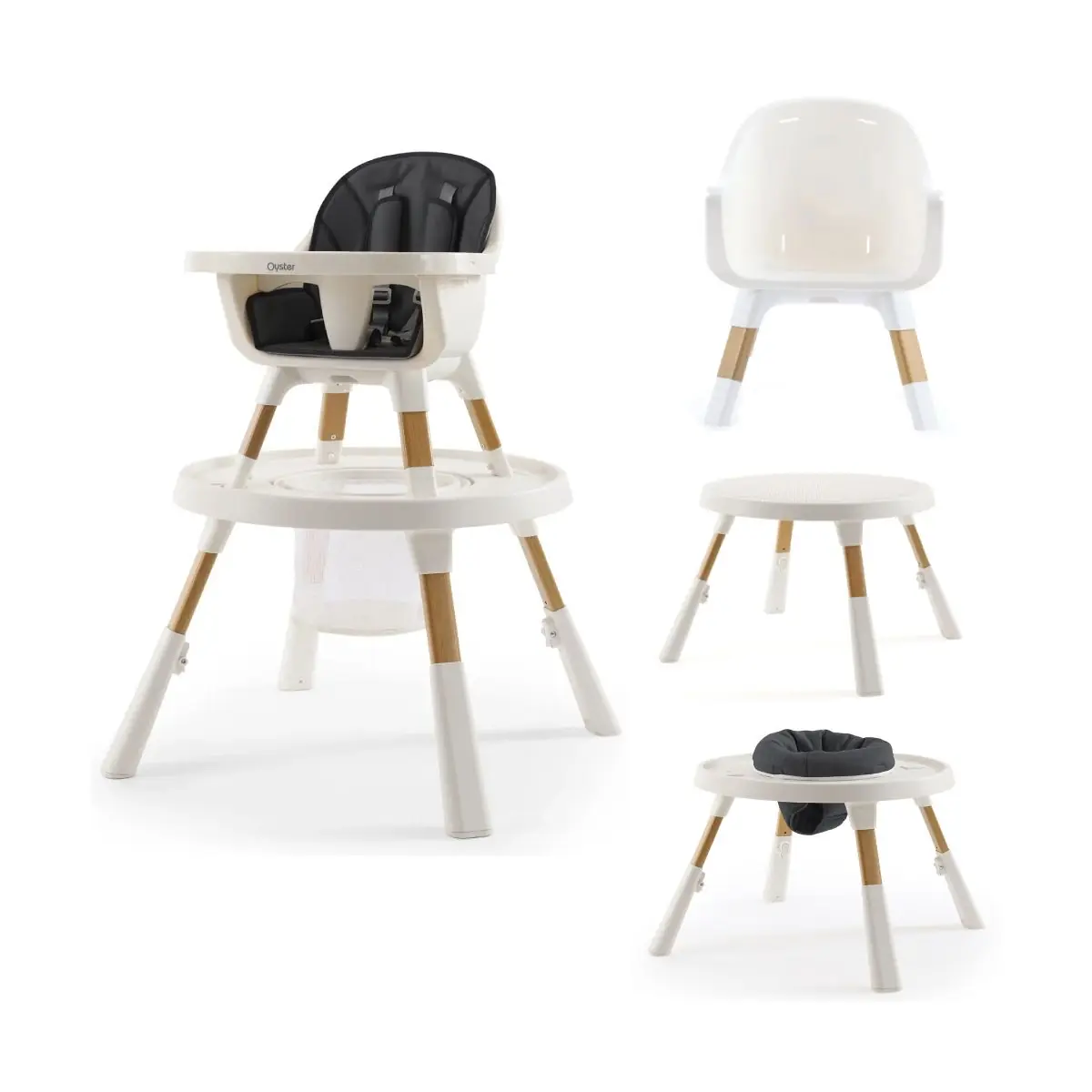
These are the all-rounders: they recline, they adjust, they fold, and they usually come with a tray. They are the ones you see in most homes because they hit a sweet spot of price, features, and convenience. Good ones fold reasonably flat for storage, which helps if you eat at a small table and need to tuck the chair away between meals.
The trade-off is longevity. Most folding highchairs top out at around three years, and the plastic-and-fabric construction does not age as gracefully as wood. But if you want versatility and a lower price point, they do the job well.
The compact booster or travel seat
Not a replacement for a full highchair, but brilliant as a second option. Boosters strap to a dining chair, take up almost no storage space, and are perfect for grandparents' houses, restaurants, or holidays. Some parents use them as their primary seat if they have a tiny kitchen, and they work just fine from around six months if they have a proper harness.
How to Choose the Right One for Your Kitchen
Before you fall in love with a particular chair online, measure your space. Specifically:
- Table height. Most dining tables are 74 to 76 cm. Check that the highchair adjusts to bring your baby's tray or elbows level with the tabletop.
- Floor space. A wooden highchair lives in your kitchen permanently. A folding one can be tucked away. Know which type your space can handle.
- Table or tray? If you want your baby at the table with you (recommended), choose a chair where the tray removes easily or is optional. If your table does not suit a pull-up chair, a good tray is essential.
Budget-wise, you can get a perfectly safe, practical highchair for around £60 to £80. Spending more buys you longevity, materials, and design. A £180 wooden chair that lasts five years costs less per meal than a £60 chair you replace after eighteen months. But if money is tight, a well-reviewed budget chair does the job.
The Weaning Kit That Goes With It
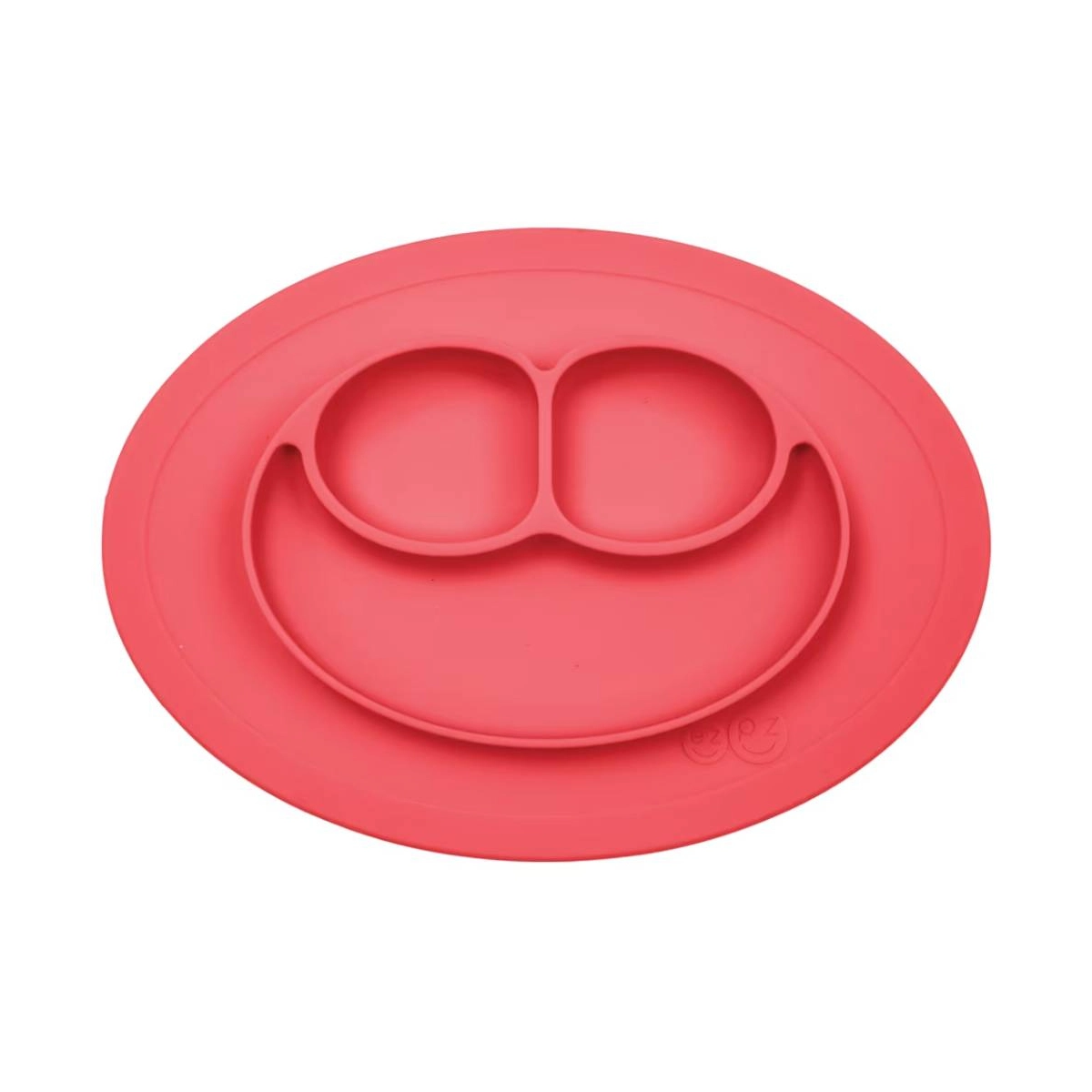
A highchair on its own is just furniture. The things that make mealtimes actually work are the bits that go on top of it. A suction plate or mat that sticks to the tray is genuinely life-changing once your baby discovers the joy of launching crockery off the edge. 😅
Long-sleeved bibs save outfits. A good splat mat saves your floor. And a simple set of baby cutlery, even if your baby ignores it for months, helps them get familiar with the idea of using tools to eat.
You do not need to buy everything at once. Start with the chair, a few bibs, and a suction bowl, and add to your kit as you figure out what works for your particular baby. Some babies are neat eaters from day one. Others treat every meal like performance art. You will know which one you have within about three spoonfuls of porridge.
The One Thing That Matters More Than the Chair
Here is the secret that no highchair brand will put in their marketing: the chair matters less than what happens in it. Eating together, offering a variety of food, staying relaxed when half of it ends up on the floor, and letting your baby explore at their own pace, that is what builds a healthy relationship with food.
A good highchair makes all of that easier. A bad one adds friction. But even the most expensive chair in the world cannot make a reluctant eater enthusiastic, and even a basic one can host hundreds of happy, messy, wonderful family meals.
If you are building your baby wishlist and wondering what to add, a highchair is one of the items that genuinely earns its spot. Pop it on your BubsNest registry and let the people who love you help make those first mealtimes brilliant. 🐣
Ready to Create Your Baby Registry?
Start your free baby registry today and share it with friends and family.
Get Started Free