Clocks Back, Toddler Up: Easing Little Ones Into the Darker Months
The clocks have gone back and your toddler is now waking at what feels like dawn. Here are gentle, practical ways to reset little body clocks for the darker months.
Last Sunday, the rest of the country got a lovely bonus hour in bed. Parents of toddlers got... a small person standing by the cot at what the kitchen clock insists is 5:45am. 🍂
Sound familiar? Your little one's body clock has no idea the government moved the clocks. As far as they're concerned, it's 6:45 and the day has begun.
The good news is that this is temporary. Most toddlers settle into the new time within a week or two. And with a few small tweaks, you can nudge that process along rather than just waiting it out with extra coffee.
We've grouped everything by the thing that actually runs your toddler's body clock, so you can pick the levers that suit your family.
Lever 1: Light
Light is the big one. Bright light in the morning tells the brain "day has started", and darkness in the evening tells it "wind down". Right now, the clock change has flipped the timings, so early-morning light is creeping in just as your toddler is in their lightest sleep.
Here's how to work with it:
- Keep the bedroom properly dark in the early morning. Even a thin strip of light round the curtain can be enough to rouse a light sleeper.
- Flood the room with light once you're actually getting up. Open the curtains wide and have breakfast near a window. This helps anchor the new "morning".
- Get outside in the afternoon. Daylight is short now, so a walk or a playground trip while it's still light gives their body clock a strong daytime signal.
If your curtains are more "decorative" than "light-blocking", window film is a renter-friendly fix. It goes on with water, peels off cleanly, and you can cut it to fit odd-shaped windows.


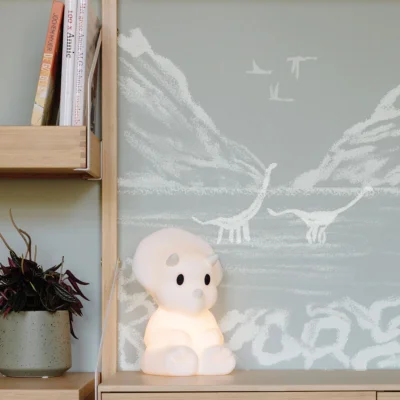
At the other end of the day, dim things down. Switch off the big overhead light about an hour before bed and use lamps instead. A soft, warm night light in the bedroom is lovely for stories, and handy for toddlers who've suddenly decided the dark is a bit scary now it arrives at teatime.

Lever 2: Timing
If your toddler was going down at 7pm before the change, their body now thinks 7pm is 8pm. You've got two ways to handle it.
The quick reset. Simply switch to the new clock time straight away. Meals, naps and bedtime all follow the clock on the wall. Some toddlers are a bit grumpy for a few days, but many adapt surprisingly fast. This suits easy-going sleepers.
The gentle slide. Move everything by 10 to 15 minutes every couple of days until you're back on track. So bedtime goes from 6:00 to 6:15 to 6:30 and so on, with meals and naps shifting alongside. This suits sensitive sleepers and little ones who melt down when overtired.
Already a week in and still seeing 5am starts? It's not too late to try the slide. Just start from wherever they're currently waking and shuffle forward from there.
One tip that makes a real difference: shift meals too, not just sleep. Food is a body-clock cue as well. A breakfast at 5:45am tells the body "this is morning", which locks in the early wake. Try a quiet cuddle and a book first, then breakfast at your target time.
Lever 3: A Clear "Morning" Signal
Toddlers can't read clocks. So "it's still night-time, go back to sleep" means very little when they're wide awake and keen to play.
This is where a wake-up light earns its keep. You set a colour for "stay in bed" and a different colour for "time to get up". Over a few weeks, lots of toddlers learn to wait for the change, which is a game-changer for those first 30 minutes of the day.
A few things that help it stick:
- Start with an achievable wake time. If they're up at 5:45, set it for 6:00, not 7:00. Then nudge it later by five minutes every few days.
- Make a big deal when it works. A sticker, a high five, a silly celebration dance. Whatever floats their boat.
- Keep early wakes boring. If they come out before the light changes, walk them back calmly with as little chat as possible.
Some models double up as a sound machine, which can mask early-morning bin lorries and birdsong too.


Lever 4: Temperature
The clock change usually lands right as the heating comes on and the nights get noticeably colder. And a toddler who's too cold (or too hot) in the small hours is a toddler who's awake.
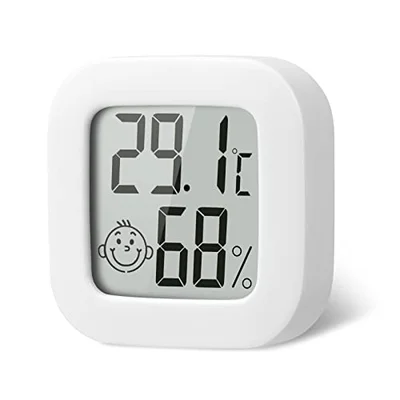
The usual guidance is a room temperature of around 16 to 20°C for little ones. It's surprisingly hard to guess, especially in old houses where one bedroom is toasty and the next is an icebox. A cheap room thermometer takes away the guesswork.
A few cosy-but-safe pointers:
- Layer up with a long-sleeved sleepsuit and a higher-tog sleeping bag rather than piling on loose blankets.
- Feel the back of their neck or tummy to check they're comfortable. Hands and feet often feel cool and that's normal.
- Don't put the cot or bed right next to a radiator.
- Keep hats off indoors at night.
Lever 5: The Afternoon Slump
Here's one nobody mentions much. When it's dark by 4:30pm, toddlers (and grown-ups) can start flagging well before bedtime. Cue a late-afternoon catnap in the pushchair or car, which then pushes bedtime later and messes with everything.
- Protect the main nap so they're not running on empty by teatime.
- Plan something lively for 4 to 5pm. A bath, a dance party in the kitchen, or helping you "cook" all keep eyelids open.
- Put the big lights on indoors during that teatime stretch, then dim them for the wind-down.
Be Kind to Yourself
Clock changes are hard on parents too. You're tired, it's dark when you get up and dark again by teatime. If your toddler's sleep goes wobbly for a fortnight, you haven't done anything wrong. 💛
Take turns with the early shift where you can, get outside in daylight yourself, and remember that by mid-November this will feel like old news.
If you're worried about your toddler's sleep at any point, or the early waking carries on for weeks with no sign of settling, have a chat with your health visitor or GP. That's exactly what they're there for.
And if friends and family are asking what to get your little one this winter, a wake-up light or some proper blackout makes a brilliantly practical gift. Pop them on your BubsNest wishlist so everyone knows what will actually get used.
Ready to Create Your Baby Registry?
Start your free baby registry today and share it with friends and family.
Get Started Free