
Formula Feeding: The Honest, No-Guilt Guide You Actually Need
Whether you are bottle-feeding from birth or switching after breastfeeding, this no-judgement guide covers choosing formula, making bottles, surviving night feeds, and ditching the guilt.
What if the best feeding decision you ever made was the one you felt worst about?
Formula feeding comes loaded with baggage. The antenatal class spent an hour on latch technique and thirty seconds on "and if that doesn't work out, there's always formula," said in the same tone people use when apologising for running out of oat milk. The leaflets mention it as a last resort. The online forums treat it like a confession.
So let's set something straight from the start: formula is not a last resort. It is food. Good food. The kind that has kept millions of babies healthy, growing, and thriving for decades. Whether you are exclusively bottle-feeding from birth, combo-feeding, or switching after weeks of breastfeeding that didn't go the way you planned, you are doing a brilliant job. Full stop. 🍼
Your Baby Will Be Absolutely Fine
Modern infant formula is one of the most tightly regulated food products on the planet. In the UK, every formula sold must meet strict nutritional standards set by law, covering everything from protein and fat ratios to vitamin and mineral content. The differences between brands are genuinely small.
Your baby will gain weight, hit milestones, and develop exactly as they should. The guilty knot in your stomach? That comes from cultural pressure, not science.
Choosing a Formula
Walk down the formula aisle and the choice feels overwhelming: first infant milk, hungry baby, comfort, anti-reflux, organic, goat's milk. Here is the simplified version.
For most babies, a standard first infant milk (stage 1) is all you need from birth to twelve months. It does not matter whether it costs £8 or £14 a tin. They all meet the same legal nutritional requirements. The expensive one is not "better," it just has fancier packaging.
If you fancy organic or want something British-made, Kendamil is worth a look. It is one of the only UK-manufactured formulas and uses whole milk rather than skimmed milk powder, which some parents find sits well with their baby's tummy.
The only time to switch formulas is if your baby seems genuinely uncomfortable, excessively sick, or shows signs of an allergy. Chat to your GP or health visitor before making changes, as random swapping between brands can actually make things worse.
The Kit That Makes Life Easier
You do not need much. A handful of bottles, a steriliser, and a kettle are the non-negotiables. But a few extras can turn "this is fine" into "this is actually manageable at 3am."
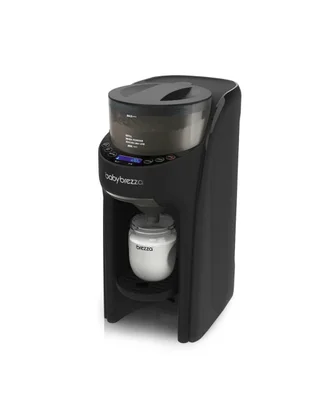
A formula prep machine is the single most-recommended purchase by bottle-feeding parents. It makes a perfectly temperatured bottle in about two minutes, which feels like a miracle when you are half asleep and a baby is screaming. The Baby Brezza Formula Pro Advanced does the whole job: it measures, mixes, and warms to body temperature.



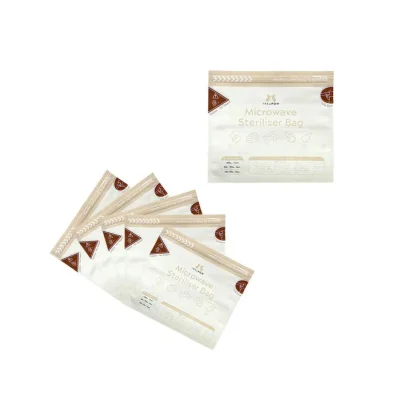
For sterilising, you have options: electric steam, microwave, or cold water tablets. If you want something that takes up zero counter space, microwave steriliser bags are genius. They fold flat in a drawer and each bag lasts about 20 uses.
Beyond that? A decent bottle brush, some muslins for the inevitable dribble, and a drying rack. That is the lot. You really do not need the £200 bottle starter set.
Making a Bottle: The Actual Steps
This gets over-complicated in the leaflets. Here is the real version.
- Boil fresh water in the kettle. Let it cool for no more than 30 minutes (it needs to be above 70°C to kill any bacteria in the powder).
- Pour the water into a clean, sterilised bottle.
- Add the exact number of scoops. Level them off with a clean knife, not your finger.
- Pop the lid on and swirl gently. Do not shake it like a cocktail, you will get air bubbles and a windy baby.
- Cool it quickly by holding the bottle under cold running water until it feels lukewarm on your wrist.
If you are using a prep machine, it handles steps one through four for you. Worth every penny at 4am.
Formula on the Go
Getting out of the house with bottles feels like planning a military operation at first. But once you have a system, it becomes second nature.
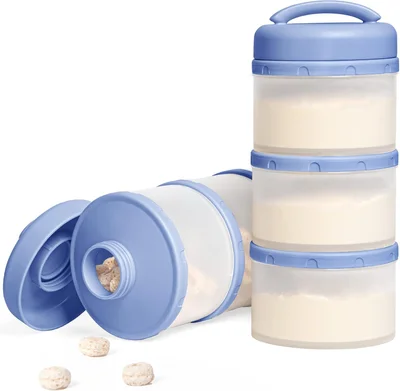
The easiest method: carry pre-measured formula powder in a dispenser pot and a flask of hot water. When baby needs feeding, pour the water, add the powder, cool the bottle under a cold tap or in a jug of cold water. Done.

Ready-to-feed cartons are another lifesaver for days out. They are pre-sterilised and at room temperature, so you just pour and go. They cost more per feed, but for the odd trip to the park or a long car journey, they are absolutely worth it.
Night Feeds Without Losing Your Mind
Formula-fed babies tend to go slightly longer between feeds because formula takes longer to digest. That is not a reason to choose formula, but it is a nice perk when you are running on three hours of sleep.
Set up a night feed station: prep machine or flask of hot water, pre-measured powder, clean bottles, muslins. Keep everything within arm's reach of wherever you feed. The less you have to stumble around in the dark, the faster everyone gets back to sleep.
And if your partner can take some of the night feeds? Let them. One of the genuine advantages of bottle-feeding is that anyone can do it. You do not have to be a martyr. Share the load. 💛
The Stuff Nobody Tells You
Formula poo looks and smells different from breastfed poo. It is thicker, darker, and frankly more pungent. This is normal.
Your baby might take a few goes to find the right bottle teat flow. If they are gulping and spluttering, the flow is too fast. If they are working really hard and getting frustrated, try the next size up.
Made-up formula lasts two hours at room temperature. After that, throw it away. It is not worth the risk. Same goes for any formula left in the bottle after a feed, even if they only had half.
And finally: you will meet someone who side-eyes your bottle. Maybe at a baby group, maybe at a family gathering, maybe online. Practice this response: a calm smile and absolutely zero explanation. You do not owe anyone a reason for feeding your baby.
You Are Doing Brilliantly
Fed is best. You have heard it before, but it bears repeating: a baby who is fed, loved, and held is a baby who is thriving. Whether that food comes from a breast or a bottle or some combination of both, it does not matter nearly as much as the world has led you to believe.
If formula feeding is your path, own it. Set up your registry with the gear that makes your life easier, accept help from anyone who offers, and pour yourself a cup of tea while the prep machine does its thing.
You have got this. And your baby thinks you are wonderful. 🍼
Ready to Create Your Baby Registry?
Start your free baby registry today and share it with friends and family.
Get Started Free