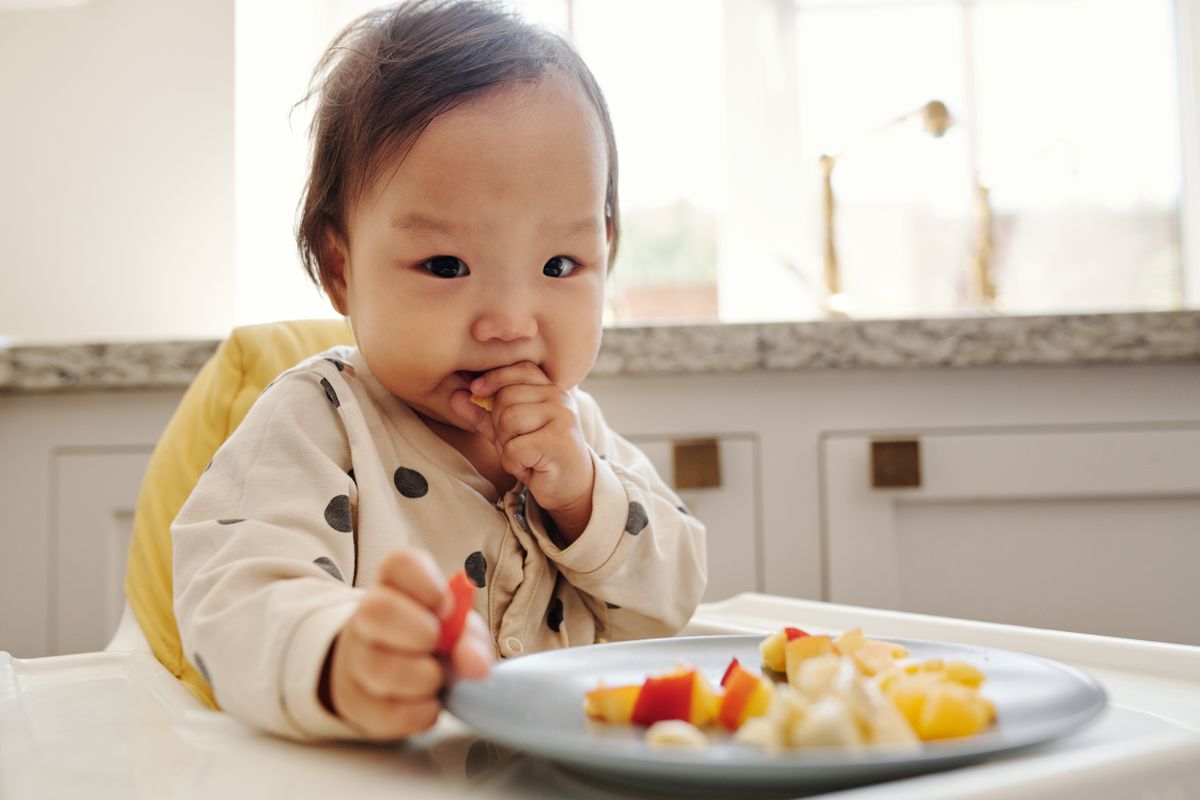
Fussy Eating: What to Do When Your Brilliant Little Eater Suddenly Stops
Your baby used to eat everything. Now they will not touch anything green. Here is why it happens, what actually helps, and when to stop worrying.
Six months ago, your baby ate everything. Broccoli? Gone. Lentil curry? Demolished. Sweet potato mash? Hoovered up before the spoon hit the bowl. You watched other parents negotiating with toddlers over a single pea and smugly thought: we will not be those people.
And then, somewhere around the first birthday, the shutters came down. The mouth clamped shut. The head turned away. The lovingly prepared bolognese got launched off the highchair tray like a tiny, furious catapult. Welcome to fussy eating. You are, in fact, those people. And so is almost everyone else.
Why Your Great Eater Stopped Being Great
First, the reassuring bit: this is completely normal. It even has a proper name. Neophobia, the fear of new foods, is a developmental stage that peaks between 18 months and 3 years. It is not a reflection of your cooking, your parenting, or that one time you gave them a pouch in the car.
There are real biological reasons behind it. Toddlers are starting to move independently, and from an evolutionary standpoint, a small human who puts every unknown thing in their mouth is a small human in danger. The instinct to reject unfamiliar tastes is actually your child's brain trying to keep them safe. Annoying? Absolutely. But completely on schedule.
Growth also slows down dramatically after the first year. Your baby tripled their birth weight in 12 months, but from here, weight gain slows to a gentle crawl. Their appetite genuinely shrinks. That enormous portion they used to eat was fuelling a growth sprint. Now they simply need less.
What Not to Do (Even Though Every Instinct Screams Otherwise)
The temptation is huge. You want to bribe, beg, do aeroplane spoons, promise pudding, turn mealtime into a performance. Please resist.
Pressure backfires. Studies consistently show that the more you push a food, the less likely a toddler is to eat it. "Just try one bite" might feel harmless, but it teaches them that this food requires negotiation, which means it must be bad. If broccoli were nice, you would not be bargaining.
Separate meals are a trap. Making a different dinner because they "will not eat what we are having" sounds kind. But it trains everyone, you included, into a pattern where the toddler controls the menu. Serve the family meal. If they eat it, brilliant. If they do not, they will not starve, and there is always breakfast.
Hiding vegetables in everything is a short-term fix. Blending spinach into a smoothie gets nutrients in, sure. But it does not teach your child to eat spinach. The goal is not to trick them into nutrition. It is to help them learn to eat a wide range of foods on their own terms.
What Actually Works
The evidence points to a handful of strategies that genuinely help over time. None of them are instant. All of them are boring. But they work.
Keep offering without commenting. Put the rejected food on the plate alongside something you know they will eat. Do not mention it. Do not point at it. Do not say "look, peas!" Just let it sit there. Research suggests it can take 15 to 20 exposures before a toddler will try something new. Most parents give up after 5.
Eat together. Toddlers learn by watching. If they see you eating the same food with genuine enjoyment (not performative "mmm" noises, they can spot that a mile off), they are far more likely to try it themselves. Family meals at the same table, eating the same thing, are the single most effective tool you have.
Let them touch it. Playing with food feels wasteful, but for toddlers, squishing a blueberry, smearing yoghurt, and licking sauce off a finger are all steps toward actually eating. Sensory exploration is how they decide something is safe. A child who will squash a pea today might eat one next month.
Keep portions tiny. A mountain of food is overwhelming. Two broccoli florets on a plate are approachable. One is even better. You can always offer more if they want it.
Give them some control. Toddlers are in the business of asserting independence. Offering two options ("carrots or cucumber with lunch?") gives them power without handing over the entire menu. Self-feeding with their own utensils helps too, even when the mess makes you want to cry.
Gear That Makes Mealtimes a Bit Less Stressful
You cannot buy your way out of fussy eating. But the right kit can take the edge off the mess, reduce the plate-launching, and make self-feeding easier for everyone.
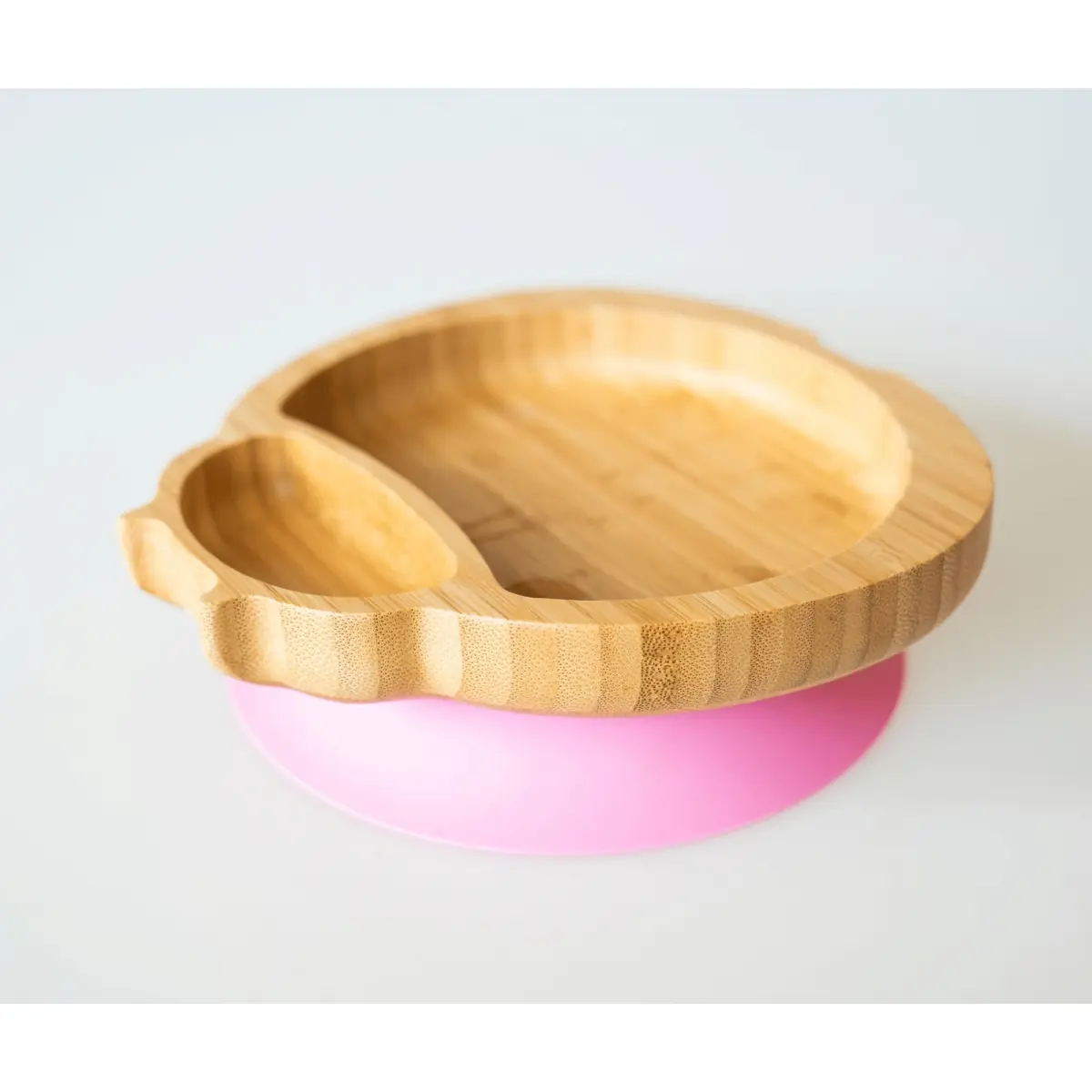
A suction plate that actually stays on the tray is worth its weight in gold during the throwing phase. Bamboo options feel lovely and are surprisingly tough.

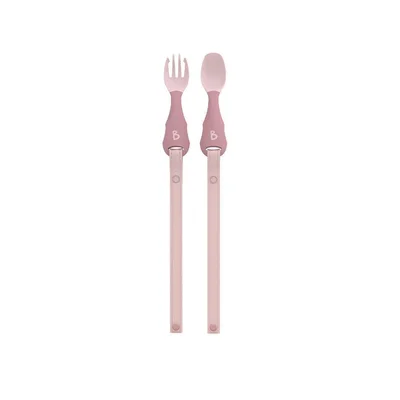
No-drop cutlery is a small genius invention. It clips to sleeves or bibs so your toddler can fling their arms around without losing their spoon over the side of the highchair for the fourteenth time in one meal.

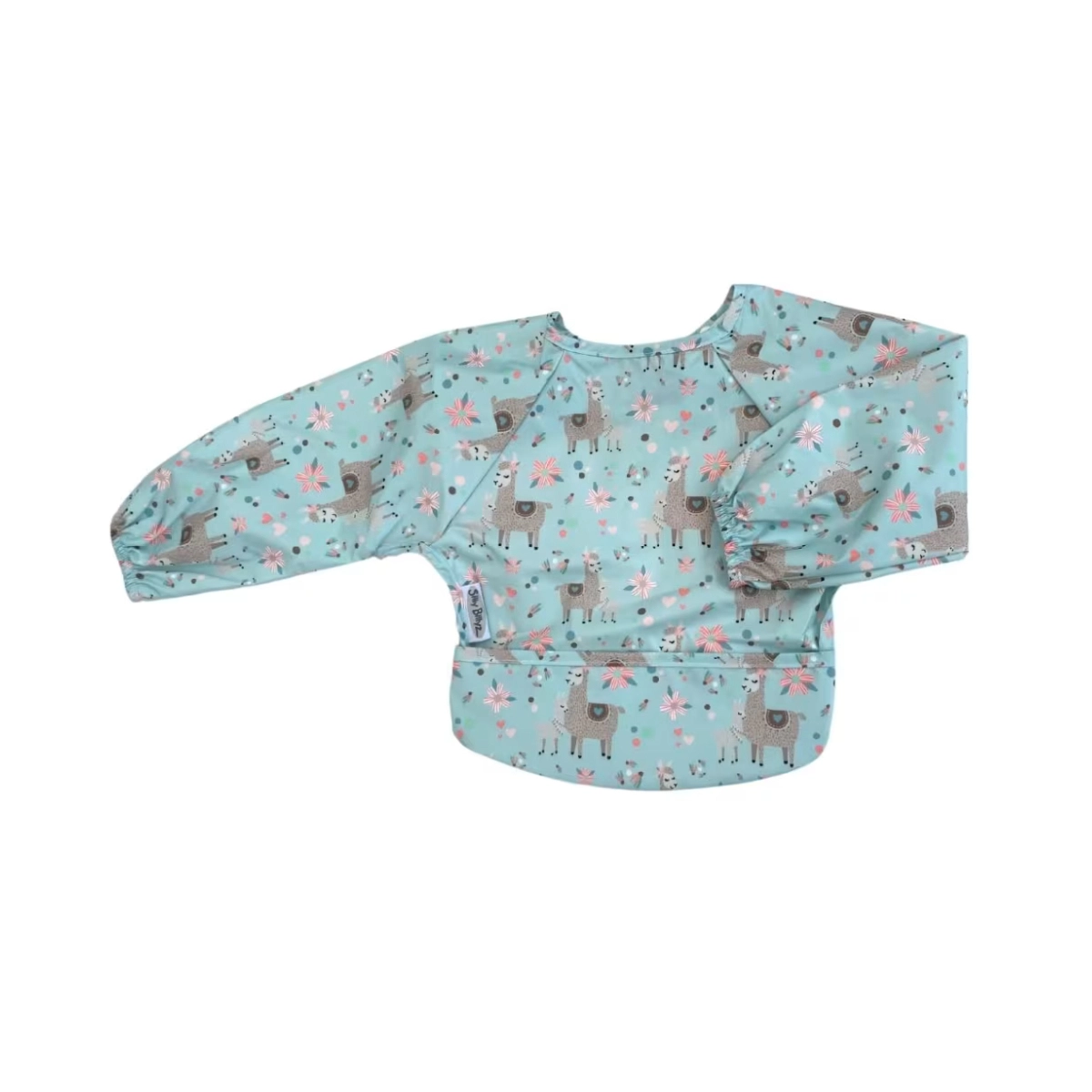
A proper long-sleeve bib turns cleanup from a 20-minute ordeal into a quick wipe. When you are not stressed about the mess, mealtimes feel calmer for everyone, including the tiny person reading your body language like a poker player.
Good training spoons and a non-slip placemat make self-feeding easier for little hands. The more confident they feel handling food themselves, the more likely they are to actually try it.


When to Actually Worry
Most fussy eating is a phase. An annoying, exhausting, food-waste-generating phase, but a phase nonetheless. However, there are a few signs worth flagging with your GP or health visitor.
- Your child is losing weight or dropping off their growth curve
- They are eating fewer than 10 foods total and the list is shrinking
- They gag, retch, or show genuine distress (not just dislike) around certain textures
- Mealtimes consistently end in tears, for them or for you, every single time
- They are refusing liquids as well as food
These could point toward sensory processing differences, oral motor issues, or anxiety around food that goes beyond typical fussiness. Early support from a paediatric dietitian or speech and language therapist can make an enormous difference.
The Bit Nobody Tells You
Fussy eating is not just hard on the child. It is hard on you. You spent time cooking that meal. You thought about the nutrients. You wanted the family dinner to be warm and connected, not a battlefield over a piece of toast.
It is okay to feel frustrated. It is okay to serve beans on toast three nights running because you cannot face another rejected casserole. It is okay to quietly eat the lovingly prepared fish pie yourself while they eat plain pasta, again.
Your child will not eat beige food forever. The research is clear: most children expand their diet significantly between ages 4 and 6. The ones whose parents kept calmly offering, without pressure, without drama, without making food a power struggle, tend to come out the other side eating the widest range.
So keep putting the broccoli on the plate. Do not mention it. Eat yours. And when they finally, one random Tuesday, pick up a floret and eat it without being asked, resist the urge to throw a party. Just nod, carry on, and quietly celebrate inside. You have earned it. 🥦
Ready to Create Your Baby Registry?
Start your free baby registry today and share it with friends and family.
Get Started Free