Getting Ready for Nursery: How to Prepare Your Little One (and Yourself) for That First Drop-Off
Everything you need to know about preparing for nursery, from what to pack in that tiny backpack to surviving the goodbye without crying in the car park.
Everyone says the first nursery drop-off is harder on the parents than the child. That is only half true. Yes, you will probably cry in the car afterwards. But your little one has their own version of hard, and it looks nothing like yours. Theirs involves a strange room, unfamiliar adults, and the deeply unsettling realisation that you have LEFT. Understanding what both of you are actually facing makes the whole thing less terrifying.
Whether your child is starting nursery at nine months or two years, the preparation is surprisingly similar. A bit of practical planning, a decent settling-in strategy, and the right gear in their bag can make the difference between a smooth transition and a fortnight of mutual sobbing at the door.
This is the honest guide to getting nursery-ready.
When Should They Start?
There is no magic age. Some babies start nursery at six months when parental leave ends. Others wait until they are two or three. Both are fine. What matters more than the calendar is whether you and your child are ready for regular time apart.
If your child has never been left with anyone other than you, it is worth building up to it. Leave them with a grandparent or friend for an hour, then two. A child who has experienced short separations and survived them has a head start on nursery confidence.
Most nurseries recommend starting with shorter sessions and building up, regardless of age. Trust their process. They have done this thousands of times.
The Settling-In Period: What Actually Happens
Almost every nursery offers settling-in sessions, and they are not optional. Think of them as a dress rehearsal where you gradually step further offstage.
A typical pattern looks like this:
- Session one: You stay in the room while your child explores. They check back with you roughly every forty-five seconds.
- Session two: You move to a different room in the building. Your child is told you are nearby but cannot see you.
- Session three: You leave entirely for a short period, usually an hour.
- Session four: A longer session, sometimes including a meal or a nap.
Some children breeze through this in a week. Others need longer. Neither response says anything about your parenting or your child's personality. It is just how they process change.
The most important thing? When you say you are leaving, leave. Hovering at the door or creeping back for one more cuddle teaches them that goodbyes are negotiable, and that makes every future drop-off harder.
What to Pack in Their Nursery Bag
Every nursery has a slightly different list, but here is what nearly all of them ask for. Label absolutely everything. Every. Single. Item. Nurseries are basically Bermuda Triangles for unlabelled socks.
- Spare clothes: A full change including vest, top, bottoms, and socks. Two sets if your child is in the messy play stage (spoiler: they are always in the messy play stage).
- Nappies and wipes: If your child is still in nappies, most nurseries ask you to supply your own. Check how many they want per session.
- A comforter: Whatever your child sleeps with or clutches when they need reassurance. This tiny object will do more work than you realise on day one.
- A water cup or sippy cup: Named, leak-proof, and ideally something they already use at home so it feels familiar.
- Sun cream and a hat: In summer, most nurseries need you to apply cream before drop-off and supply a named bottle for top-ups.
- Lunch and snacks: If they do not provide meals, a packed lunch in a clearly labelled box. Keep it simple. This is not the time for elaborate bento art.
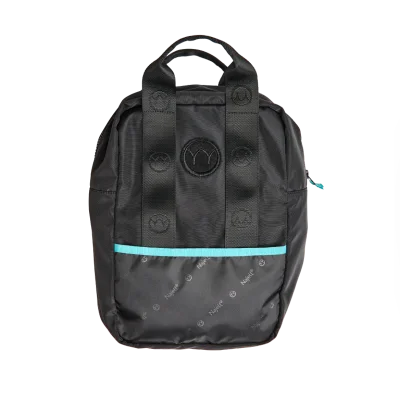
A small backpack makes all of this easier to manage, especially once your child is old enough to carry it themselves. There is something genuinely lovely about watching a tiny person march through the nursery door with their own bag on their back.

The Comfort Object: Your Secret Weapon
Do not underestimate the power of a familiar comforter. A cuddly toy, a muslin cloth, a small blanket, anything that smells like home and feels like safety. Nursery staff will tell you that a good comforter can settle a distressed child faster than almost anything else.
If your child does not already have one, introduce something now. Let them sleep with it, carry it around the house, take it in the car. By the time nursery starts, that object should feel like an extension of their world.
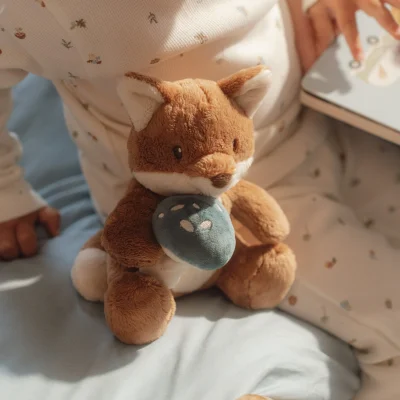

A word of caution: buy a backup. If that comforter gets lost at nursery (and things do get lost at nursery), you will want an identical replacement ready to go. Some parents rotate between two so they both develop the same level of worn-in softness.
Drinks and Mealtimes
Nursery mealtimes are social, noisy, and nothing like eating at home. Your child will sit at a table with other children, possibly use a cup they have never seen before, and eat food prepared by someone who is not you. It is a lot.
You can ease this by making sure they are already comfortable with an open cup or sippy cup at home. Send them with one they recognise. Familiarity is everything when the rest of the world feels brand new.


If your nursery asks for packed lunches, a lunchbox with separate compartments keeps things tidy and makes it easier for staff to see what your child has eaten. Stick to foods your child already likes for the first few weeks. Nursery is not the place to trial new flavours while they are also processing a major life change.
The Drop-Off: A Survival Guide
Right. The bit you have been dreading.
Here is what works, according to every nursery worker, child psychologist, and parent who has been through it:
- Keep it short. A confident "Have a lovely morning, I will be back after lunch" is worth more than ten minutes of lingering cuddles. Your child takes their emotional cues from you. If you seem calm, they feel calmer.
- Create a goodbye ritual. A special handshake, a kiss on each cheek, a wave from the window. Something small and repeatable that signals "this is how we say see you later."
- Never sneak off. It feels kinder, but it teaches your child that you might vanish without warning at any moment. That is worse than the tears of a proper goodbye.
- Trust the handover. Nursery staff are trained in this. They will scoop your child up, redirect them to something interesting, and within minutes, most children are absolutely fine. You will not believe this until they show you the photo of your child grinning ten minutes after you left.
The crying, if it happens, almost always stops within five to ten minutes of you leaving. The nursery will call you if it does not. They will not let your child be distressed for hours without telling you.
The Emotional Side (Yes, This Section Is for You)
Guilt. That is the headline emotion. Guilt that you are leaving them. Guilt that you feel relieved to have a few hours to yourself. Guilt that the guilt itself feels silly when millions of parents do this every single day.
Here is the truth: feeling conflicted about nursery does not mean you are making the wrong choice. It means you love your child and you are adjusting to a new phase. Both things can be true at the same time.
Give yourself something to do on that first morning. Not errands, not housework. Something kind. A coffee with a friend. A walk without a pushchair. A shower that lasts longer than ninety seconds. You have earned it, and you will need the distraction.
Most parents report that the first week is the worst and things improve rapidly after that. By week three, your child will probably be running through the door without a backward glance. That will also sting, but in a different, prouder way.
A Few Things Nobody Tells You
Your child will get ill. A lot. Nurseries are petri dishes with soft play areas. The first winter is notorious for a rotating carousel of colds, tummy bugs, and mysterious rashes. This is normal. It is also how their immune system builds up, and it does level out.
They will come home with artwork you cannot identify. Smile, ask them about it, and put it on the fridge.
They will learn things you did not teach them. New words (not always polite ones), new songs, new ways of doing things. This is nursery working exactly as it should. Your child is becoming their own small person with experiences that are theirs alone. That is the whole point.
You Are Both Going to Be Fine
Starting nursery is a milestone, and milestones are allowed to feel big. Pack the bag, label the socks, kiss them goodbye, and trust that the tiny human you have raised so far is more resilient than you think.
And if you do cry in the car park? That is fine too. Every parent before you has done the same thing. You are in excellent company.
If you are building a nursery-ready wishlist, you can create one on BubsNest and share it with family so everyone knows exactly what is still needed.
Ready to Create Your Baby Registry?
Start your free baby registry today and share it with friends and family.
Get Started Free