The Little Laundry Mountain: Washing Newborn Clothes Made Simple
Tiny clothes, surprisingly big piles. From prewashing the first sleepsuits to shifting poo stains and drying indoors all winter, here is how to keep newborn laundry under control.
Myth: you need a special, expensive "baby" detergent before your little one can wear a single sleepsuit.
Truth? Most families do absolutely fine with a gentle non-bio from the supermarket. What nobody quite explains is the sheer volume. Clothes the size of a paperback somehow fill a washing machine every single day. 🧺
So let's take the mystery out of newborn laundry. Here's the whole journey, from that first pile of gifted outfits to a tidy drawer of clean vests, in the order you'll actually do it.
Step 1: The prewash before baby arrives
New clothes come out of factories, warehouses and shop rails. A quick wash before they touch brand-new skin freshens them up and gets rid of any finishing residue.
Somewhere around 34 to 36 weeks is a lovely time to do it. It's peak nesting energy, and there's something very soothing about pegging out rows of tiny vests.
A few tips for the big prewash:
- Only wash the newborn and 0-3 month sizes. Leave the bigger stuff tagged so you can swap or return it.
- Pop socks, scratch mitts and hats into a mesh laundry bag. Tiny socks vanish. It's a law of physics.
- Wash muslins, cot sheets and swaddles too. They'll be the first things in use.
- Keep gift receipts somewhere safe before the tags come off.
Step 2: Picking your detergent
Here's the honest version. Non-bio detergents don't contain the enzymes found in biological powders, which is why many parents prefer them for little ones with delicate skin. A fragrance-free or "sensitive" option takes things a step gentler again.
You don't need a separate detergent for the rest of the family, either. Lots of households simply switch everyone onto the same gentle liquid and call it a day. One bottle, one less decision.


What about fabric conditioner? Plenty of parents skip it for the first few months to keep things simple, and baby clothes are soft enough without it. If your baby's skin seems irritated or dry, have a chat with your GP or health visitor rather than guessing at which product is to blame.
Step 3: Sorting and washing
Newborn washing doesn't need to be fussy. A normal 30 or 40 degree cycle is fine for most everyday clothes, so check the care labels and go from there.
Bedding, towels and muslins can usually go hotter if the label allows. That's handy during a tummy bug or after a particularly dramatic feed.
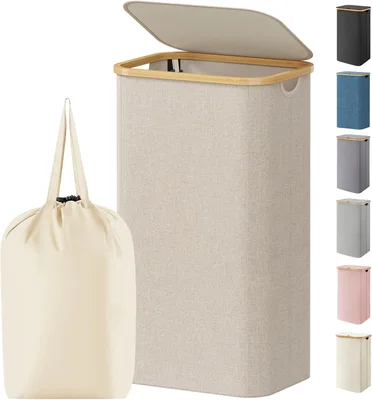
The real game-changer is having somewhere for dirty clothes to go the moment they come off. A lidded basket in the nursery (or wherever you do most changes) means no damp vests on the floor and no hunting for that missing sleepsuit.
Do up poppers and zips before washing, too. It stops them snagging on delicate knits and keeps the sleepsuits in better shape for longer, which matters if you're planning to pass them on.
Step 4: Tackling the stains
Ah yes. The poo-nami. The milky dribble that turns yellow overnight. The orange puree on a white bib (later on, but it's coming).
The golden rules:
- Cold water first. Rinse stains under the cold tap as soon as you can. Hot water can set protein-based stains like milk and poo.
- Soak, don't scrub. A soak in a bowl with a stain remover loosens things far better than frantic rubbing.
- Let the sun help. Drying a clean but still-stained vest in daylight can fade those stubborn yellow marks. Even a bright windowsill in winter does a surprising amount.
- Don't tumble dry until it's gone. Heat can lock a stain in for good.
A tub of non-bio stain remover by the sink is worth its weight in gold during the newborn weeks. Most work at low temperatures, so they're kind to tiny cotton clothes.

And if something is truly beyond saving? Let it go. It's a £3 vest, and you survived the blowout. That's the real win. 💛
Step 5: Drying through a British winter
If your baby arrives between October and March, your washing line might as well be decorative. Indoor drying becomes your new normal.
A tall, multi-level airer is brilliant for baby clothes because everything is so small. You can fit a whole day's worth of vests, sleepsuits and muslins on one rack without it taking over the living room.
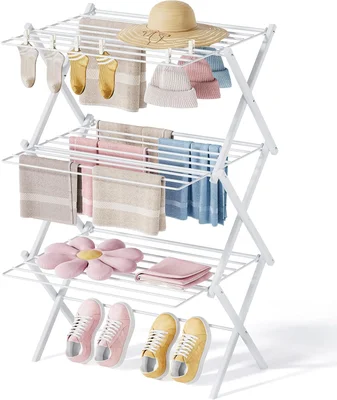
A few indoor drying habits that help:
- Dry clothes in a room with a slightly open window or a running extractor fan, rather than the nursery.
- Space things out. Overloaded racks take ages and can leave a musty smell.
- Give each item a quick shake before hanging. Fewer creases, faster drying.
- A spin on the highest setting your clothes allow cuts drying time noticeably.
Keeping damp washing out of your baby's room also helps keep the nursery air comfortable through the colder months.
Step 6: Folding, storing and keeping up
Here's the secret to never facing a laundry Everest: a little and often. One small load a day, every day, feels far easier than a mammoth Sunday session.
Some parents run the machine overnight on a timer and hang everything out with the first coffee. Others make it the partner's job, which is a brilliant way for a non-feeding parent to feel properly useful.
When it comes to putting things away, keep it simple:
- Roll vests and sleepsuits instead of folding. They're quicker to grab one-handed.
- Store by type, not by colour. Vests in one spot, sleepsuits in another, muslins everywhere.
- Have a "grown out of" box on hand. Babies outgrow newborn sizes fast, and it's lovely to pass bundles on to friends.
- Don't bother ironing. Truly. Nobody has ever ironed a babygrow and felt it was time well spent.
Put the laundry helpers on your wishlist
Nobody gets excited about gifting a clothes airer. But ask any parent a month in, and they'll tell you the practical bits made the biggest difference.
So pop a few laundry essentials alongside the cute outfits on your registry. Friends who've been there will know exactly why they're on the list, and you'll be thanking them every single day.
Start or update your BubsNest wishlist here and add the everyday helpers that keep life ticking along.
The mountain never fully disappears. But with the right setup, it stays a cosy little hill. 🧦
Ready to Create Your Baby Registry?
Start your free baby registry today and share it with friends and family.
Get Started Free