Nappy Cream Buyer's Guide: Budget vs Premium, Tested by Parents
Four nappy creams at four price points, from a lightweight daily barrier at under £4 to a midwife-favourite organic formula. We break down what you actually get for your money.
COMPARISON · NAPPY CARE
You will go through a truly staggering amount of nappy cream. That tiny tube in your hospital bag becomes a fixture on the changing table, in the nappy caddy, stashed in the pushchair, and buried somewhere in every handbag you own. Multiply those tubes across two to three years of nappies, and the cost difference between a budget barrier cream and a premium organic formula adds up fast.
The trouble is, every cream feels the same in the shop. The packaging promises "gentle protection" and "dermatologically tested" in near-identical fonts. So how do you actually choose? We compared four of the most popular nappy creams in the UK across genuine price tiers, from a simple everyday barrier at under £4 to a certified-natural formula beloved by midwives, to find out what you actually get when you spend more.
Every rating below draws on verified parent feedback, ingredient analysis, and real-world testing by families with babies from newborn to toddler. No brand paid for placement, and every product links to a retailer where it is genuinely in stock today.
Lil' Bubba's verdicts
- Best Value: Bepanthen Nappy Care Ointment · 8.5/10 - hospital-grade protection at barely a penny per nappy change in the 4-pack
- Best Natural: Weleda Calendula Nappy Cream · 8.0/10 - certified organic, biodynamic calendula, and zero synthetics
- Best Budget Pick: Childs Farm Baby Nappy Cream · 7.5/10 - lightweight daily protection in eco-friendly recycled packaging
- Best All-Rounder: Sudocrem Care & Protect · 7.5/10 - the most trusted nappy brand in a portable tube format
| Product | Price | Size | Cost/100g | Key Ingredient | Best For | Rating |
|---|---|---|---|---|---|---|
| Bepanthen 4-Pack | £4.15 | 4 x 100g | ~£1 | Pro-vitamin B5 | Value | |
| Weleda Calendula | £3.25 | 30ml | ~£11 | Calendula + zinc oxide | Natural | |
| Childs Farm | £3.35 | 100ml | ~£3 | Aloe vera + shea butter | Budget | |
| Sudocrem Care & Protect | £5.80 | 100g | ~£6 | Hypoallergenic triple care | All-rounder |
How we picked the 4
We started with the nappy creams most frequently added to BubsNest registries over the past six months, then filtered for products available from at least one joined retailer with live stock. From that shortlist, we selected one cream per genuine price tier, measured by cost per 100g rather than headline tube price, because a £3 tube that lasts a week is not the same value as a £4 multi-pack that lasts two months.
What to look for in a nappy cream
Barrier vs treatment. Most nappy creams fall into one of two camps. Barrier creams (like Bepanthen, Childs Farm and Weleda) form a protective layer at every nappy change to stop moisture reaching the skin. Treatment creams (like Metanium or the classic Sudocrem pot) contain higher concentrations of active ingredients to heal rash that has already appeared. The four creams in this guide are all barrier creams - the type you will reach for most often.
Active ingredients. Zinc oxide is the gold standard for creating a physical barrier. Pro-vitamin B5 (dexpanthenol) supports the skin's natural repair process. Lanolin adds moisture but can irritate babies with very sensitive skin. Calendula and chamomile extracts offer natural soothing without synthetic additives.
Texture and application. Thick pastes can be hard to spread and easy to over-apply. Lighter ointments and creams glide on with one hand, which matters at 3am when you are half asleep and your baby is wriggling. A squeeze tube is generally easier to manage than an open pot.
What to avoid. Fragrance is the most common irritant in nappy cream. All four creams in this guide are fragrance-free. If your baby has a known lanolin sensitivity, check the ingredients list carefully, as both Weleda and Sudocrem contain it.
1. Bepanthen Nappy Care Ointment
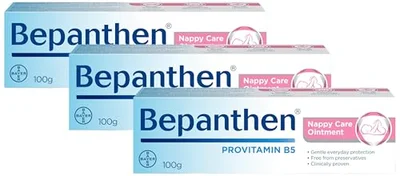
If there is one nappy cream that could claim to be the default in UK maternity wards, it is Bepanthen. The ointment contains pro-vitamin B5 (dexpanthenol), which supports the skin's natural recovery, wrapped in a breathable protective layer that sits invisibly on your baby's skin. It contains no colours, fragrances, preservatives, or antiseptics.
The 4-pack listed here is, frankly, absurd value. At roughly £1 per 100g tube, you get four full-size tubes for less than many single tubes of premium cream cost. Parents regularly stock up on this multi-pack and scatter tubes around the house, in the changing bag, and at the grandparents' house.
What parents love
- Hospital pedigree. One parent told us: "We got sent home from hospital with it and honestly never stopped using it."
- Goes on clear. The transparent ointment does not leave white residue on skin or clothing, unlike zinc-based creams.
- Multi-pack value. Four tubes for the price of one premium tube means you never run out at the worst possible moment.
- Clinically proven. Independently tested and proven to protect against the causes of nappy rash, not just marketed as "dermatologically tested".
What to know before you buy
- Contains petroleum-derived ingredients. The mineral oil and petrolatum base creates an effective barrier but will not appeal to parents seeking fully natural formulations.
- Contains lanolin. While hypoallergenic, lanolin can occasionally irritate babies with very sensitive or broken skin.
- Prevention, not treatment. This is a barrier cream for daily use. If rash has already appeared, you may need a treatment cream with a higher zinc concentration.
Best for
- Parents who want the hospital-standard everyday barrier cream
- Families on a budget who go through nappy cream quickly
- Newborns with healthy skin that needs gentle, fragrance-free prevention
- Stocking up for the changing bag, nursery, and grandparents' house

2. Weleda Calendula Nappy Cream
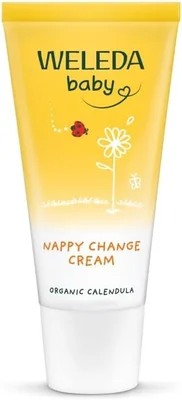
For parents who want to keep synthetic ingredients off their baby's skin entirely, Weleda Calendula Nappy Cream is the gold standard. Made with biodynamic calendula grown in Weleda's own certified herb gardens, sweet almond oil, sesame oil, beeswax, lanolin and zinc oxide, the formula is free from mineral oils, synthetic preservatives, fragrances, and colourants. It has been NATRUE-certified as a natural cosmetic for over 30 years.
At £3.25 for a 30ml tube, the cost per application is noticeably higher than the other creams in this guide. But parents and healthcare professionals consistently report that a tiny amount goes a long way, and the tube lasts much longer than its small size suggests.
What parents love
- Professional recommendation. A parent shared: "Our midwife recommended it and I have never looked back - it is the only cream that does not irritate her skin."
- Clears redness fast. Parents we hear from regularly report visible improvement in redness within hours, not days.
- Genuinely natural. NATRUE-certified with biodynamic ingredients, not just "inspired by nature" marketing.
- Nourishing formula. Sweet almond and sesame oils actively moisturise the skin rather than simply sealing it.
What to know before you buy
- Higher cost per ml. At roughly £11 per 100ml, it is around ten times the per-gram cost of the Bepanthen multi-pack.
- Contains lanolin. While natural, lanolin can still cause reactions in sensitive babies.
- Small tube. The 30ml size means you will reorder more frequently than with larger tubes.
Best for
- Parents committed to certified-natural and organic baby products
- Babies with sensitive skin that reacts to petroleum-based formulas
- Families who prefer plant-based, biodynamic skincare
- Gift registries where quality matters more than quantity
3. Childs Farm Baby Nappy Cream
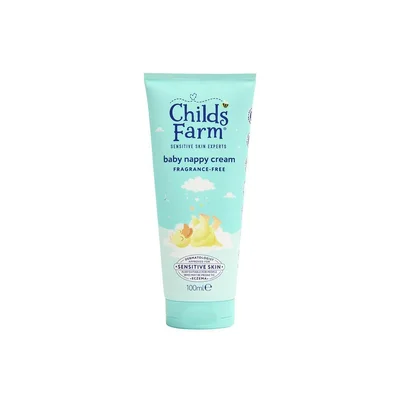
Childs Farm has built a loyal following among UK parents for gentle, affordable skincare, and their nappy cream continues that reputation. The fragrance-free formula combines aloe vera, cucumber, glycerine and shea butter to create a lightweight barrier that absorbs more like a moisturiser than a traditional nappy paste. It is dermatologist and paediatrician approved, and safe from birth for all skin types including dry, sensitive, and eczema-prone skin.
At £3.35 for 100ml, the headline price is excellent, and the cost per application sits comfortably in the budget tier. The tube itself is made from 70% post-consumer recycled plastic and is fully recyclable, which matters to eco-conscious parents.
What parents love
- Lightweight feel. One parent told us: "It is so light compared to thicker creams - it rubs in like a moisturiser rather than sitting on top."
- No greasy residue. Absorbs quickly and cleanly, so there is no sticky layer on skin or nappies.
- Eco credentials. Recycled packaging, B Corp certified, and 95%+ natural-origin ingredients reassure environmentally-minded families.
What to know before you buy
- Lighter barrier. The moisturiser-like texture means it may not provide as robust a barrier as thicker ointments for heavy wetters or overnight use.
- Not for existing rash. Parents consistently report it works well for prevention but is not strong enough to treat established nappy rash.
Best for
- Parents who prefer a lightweight, non-greasy daily barrier cream
- Eco-conscious families who value recycled packaging and B Corp brands
- Babies with sensitive skin who find heavier pastes irritating
- Budget-focused households who want good protection without overspending
4. Sudocrem Care & Protect

Sudocrem is arguably the most recognised nappy cream brand in the UK, and the Care & Protect formula is designed specifically for babies as an everyday barrier cream. Unlike the classic antiseptic healing cream sold in the iconic grey pot, Care & Protect comes in a hygienic squeeze tube and uses a lighter, triple-care formula that glides on without dragging or pulling. It is hypoallergenic and developed exclusively to protect against the causes of nappy rash.
At £5.80 for 100g, it sits in the middle of our price range. The lighter formula means you use less per application than you might with the traditional pot, and the tube format is far more practical for changing bags and nursery drawers.
What parents love
- Trusted brand name. A parent shared: "My mum used Sudocrem on us and now I use it on mine - there is something reassuring about that."
- Portable tube. We hear repeatedly from parents that the squeeze tube is a game-changer compared to the messy, sticky pot lid.
- Lighter formula. Glides on without the thick, chalky finish of the classic cream, making one-handed application much easier.
What to know before you buy
- Less effective than the original for existing rash. The lighter formula is gentler but lacks the antiseptic and zinc concentration of the classic pot for treating established rash.
- Mid-range price for a basic barrier. Parents seeking the strongest protection per penny may find better value in the Bepanthen multi-pack.
- Lid durability. Some parents report the flip-cap can break where it connects to the tube after repeated use.
Best for
- Parents who trust the Sudocrem name and want it in tube form
- Families looking for a lighter everyday cream alongside the classic pot for flare-ups
- On-the-go nappy changes where a squeeze tube beats an open pot
What about Metanium?
Metanium Everyday Barrier Ointment and the stronger Metanium Nappy Rash Ointment are both excellent products, but they sit in a slightly different category. The Everyday Barrier (£3 for 40g) is comparable to the creams above, while the yellow treatment ointment is specifically designed to heal existing rash rather than prevent it. If your baby is prone to flare-ups, especially during teething, keeping a tube of Metanium treatment cream in the changing bag alongside your everyday barrier cream is a solid strategy. One parent put it best: "Bepanthen every day, Metanium when things go wrong."
What about the classic Sudocrem pot?
The grey pot is a household institution, but it is really an antiseptic healing cream rather than a daily barrier cream. At £6 for 175g, the per-gram value is good, but the thick paste is easy to over-apply and the open pot is not ideal for hygiene or portability. It comes into its own when rash has already started, particularly for overnight use when you want a thicker protective layer. We recommend keeping a pot at home for treatment and using one of the tube-format barrier creams above for everyday changes.
How to choose
If value per gram matters most, go with Bepanthen. The 4-pack is unbeatable on cost, clinically proven, and used by maternity wards across the country. It is the sensible default for a reason.
If you want nothing synthetic on your baby's skin, Weleda Calendula is the standout. The per-ml cost is significantly higher, but the certified-natural formula and biodynamic sourcing are genuinely best-in-class, and a little goes further than you would expect.
If you want a lightweight daily cream at the lowest shelf price, Childs Farm delivers solid prevention in an eco-friendly package. It will not treat existing rash, but as a daily barrier it punches above its price point.
If brand trust and portability matter, Sudocrem Care & Protect gives you the familiar name in a practical tube format. Pair it with the classic pot at home for a complete prevention-and-treatment setup.
Add it to your Nest
Whichever cream you choose, you can add it to your free BubsNest registry and let family and friends know exactly which brands you prefer. Because nobody wants to receive three different nappy creams at their baby shower when they have already found the one that works.
Ready to Create Your Baby Registry?
Start your free baby registry today and share it with friends and family.
Get Started Free