Your Postpartum Recovery Kit: What to Prepare Before Baby Arrives
You have spent months preparing for baby. But have you prepared anything for yourself? Here is everything you actually need for your own recovery, ready and waiting before the first contraction hits.
Quick question. How many hours have you spent choosing a pushchair? Comparing cot mattress reviews? Agonising over which muslins to add to your registry? Now, how many hours have you spent thinking about what YOUR body will need after the birth? 🤔
If the answer is "not many," you are in very good company. Antenatal classes cover breathing techniques, birth positions, and when to ring the hospital. What they rarely mention is the bit that comes afterwards, when your body has just done the most extraordinary thing it will ever do and needs some serious looking after.
This is your postpartum recovery kit. Not a vague list of "nice to haves," but the actual stuff you will reach for in those first hazy weeks. Get it sorted now, while you can still waddle to the shops, and future-you will be genuinely grateful.
Why Bother Preparing Now?
Because you will not want to think about any of this once the baby is here. Your brain will be running on roughly two hours of sleep and whatever snack is closest to the sofa. Sending your partner out to find maternity pads at 10pm on a Tuesday is not the vibe.
Packing a recovery kit is an act of kindness toward your future self. It takes an afternoon, it costs less than most nursery furniture, and it means that when you get home from hospital, everything you need is already there. You just reach for it.
The Stuff Nobody Glamourises (But You Absolutely Need)
Maternity pads and postpartum underwear
Here is the honest bit. You will bleed after birth, whether you deliver vaginally or by caesarean. It is called lochia, it is completely normal, and it can last anywhere from two to six weeks. Regular pads will not cut it in the early days. You want the thick, maternity-grade ones, and you want a lot of them.
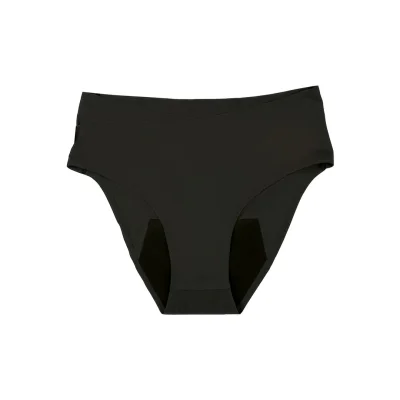
Postpartum underwear is the unsung hero of this whole experience. High-waisted, stretchy, supportive, and designed to hold everything in place without digging into a tender tummy or a c-section scar. Buy at least three or four pairs so you always have a clean set ready.
Perineal care
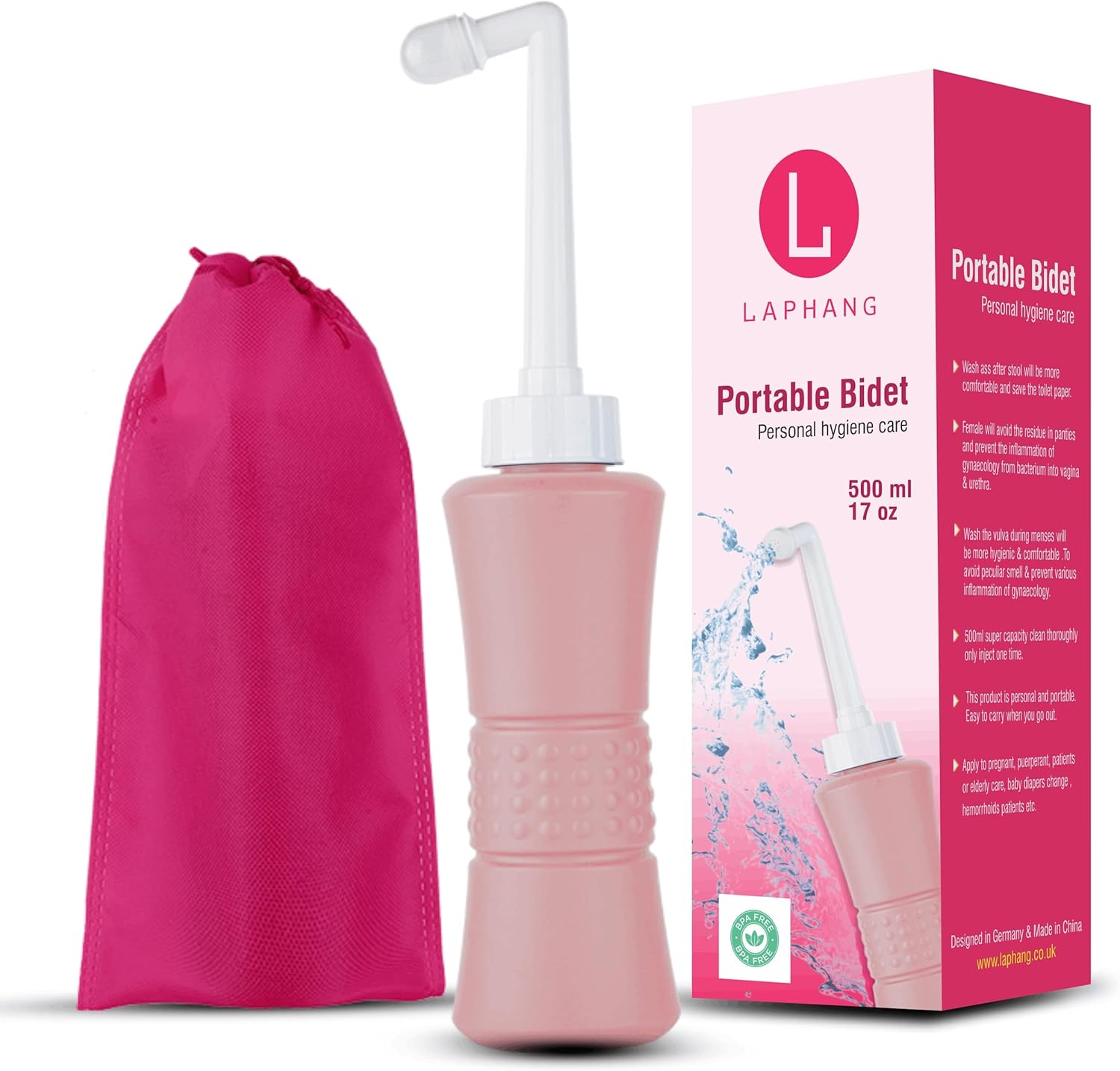
If you have a vaginal birth, your perineum will need some attention. Even without a tear, the area will be sore and swollen. A peri bottle, basically a portable bidet, is the single most recommended product by midwives and mums who have been through it. You fill it with warm water and use it while you wee to take the sting away. Sounds simple because it is. And it is life-changing.
Keep one in every bathroom. Seriously. Also stock up on witch hazel pads or a cooling spray for extra relief. An ice pack wrapped in a muslin also works wonders in the first 48 hours.

Feeding Yourself (Not Just the Baby)
Postnatal vitamins
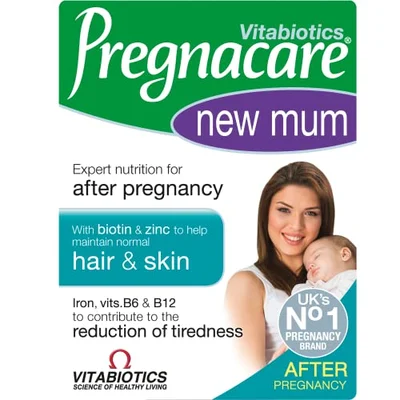
You took prenatals throughout pregnancy. Do not stop now. Your body has just used a monumental amount of nutrients to grow a human, and it needs replenishing. A postnatal vitamin formulated for new mums covers the gaps, especially iron (you have just lost blood, remember), vitamin D, and omega-3.
If you are breastfeeding, your body is still sharing its nutritional resources, so vitamins are even more important. Pop them next to your toothbrush so you actually remember.
Snacks that do not need two hands
You will be hungry. Properly, ravenously hungry, especially if you are breastfeeding. But you will also frequently have a baby in one arm. Stock your freezer before the due date with batch-cooked meals. Fill a basket next to the sofa with one-handed snacks: cereal bars, trail mix, dried fruit, rice cakes with nut butter.
A big water bottle with a straw lid is non-negotiable. Hydration matters more than ever, and you will forget to drink unless the bottle is literally in your hand.
Breastfeeding (If That Is Your Plan)
Whether you plan to breastfeed, formula feed, or mix, preparation helps. If breastfeeding is on your radar, know that engorgement is extremely common in the first week. Your milk comes in, your body overshoots production, and things get uncomfortable fast.
A silicone breast pump, sometimes called a milk collector, is brilliant for relieving pressure without stimulating more production. You pop it on the opposite side while feeding and it catches the letdown. No batteries, no fiddly parts, no noise. Just quiet relief.

Other breastfeeding bits worth having ready: nipple cream (lanolin or a plant-based alternative), breast pads (reusable ones are kinder on sensitive skin), and a couple of nursing bras that actually fit. Do not buy nursing bras too early in pregnancy because your size will change again once your milk comes in. Around 36 weeks is the sweet spot.
Set Up Your Recovery Station
This is the tip that genuinely makes the biggest difference. Before the baby arrives, set up a recovery corner wherever you will spend the most time. The sofa, your bed, a specific armchair. Within arm's reach, put everything you need:
- Phone charger (long cable)
- Water bottle
- Snack basket
- Maternity pads
- Nipple cream and breast pads
- Lip balm (hospital air is brutal)
- A muslin or two
- Remote control
- Your vitamins
It sounds over the top until you are sitting down with a sleeping baby on your chest, everything you need is right there, and you do not have to get up. That is the moment you will understand why you did this. 💜
The Mental Health Bit
Recovery is not only physical. The hormonal shift after birth is enormous. Weepiness in the first two weeks is so common it has a name, the baby blues, and it usually passes on its own. But if those feelings stick around, get heavier, or feel like more than just tiredness, please talk to your midwife or GP.
Write down the number for your local perinatal mental health team before the birth. Stick it on the fridge. You might never need it, and that is brilliant. But having it there removes one barrier at a time when picking up the phone already feels hard.
Ask your partner, a friend, or a family member to check in on YOU, not just the baby. Sometimes all you need is someone to say, "How are you actually doing?" and mean it.
Your Quick Checklist
- Maternity pads (at least 3 packs)
- Postpartum underwear (3-4 pairs)
- Peri bottle
- Cooling pads or witch hazel wipes
- Postnatal vitamins
- Big water bottle with straw
- One-handed snacks (stocked)
- Freezer meals (batch-cooked)
- Breast pump or milk collector (if breastfeeding)
- Nipple cream and breast pads
- Nursing bras (buy around 36 weeks)
- Comfortable loose clothing
- Long phone charger cable
- Perinatal mental health number on the fridge
Most of this fits in one basket. All of it costs less than a travel system. And none of it is glamorous, but glamour is not what the first six weeks are about. They are about healing, bonding, and figuring things out one feed at a time.
Add these bits to your BubsNest registry alongside the baby stuff. You deserve to be on your own list.
Ready to Create Your Baby Registry?
Start your free baby registry today and share it with friends and family.
Get Started Free