Postpartum Recovery: What to Stock Up on Before Baby Arrives
You have spent months prepping for baby. But what about prepping for YOU? Here is what to have ready for those first raw, beautiful, slightly terrifying weeks of recovery.
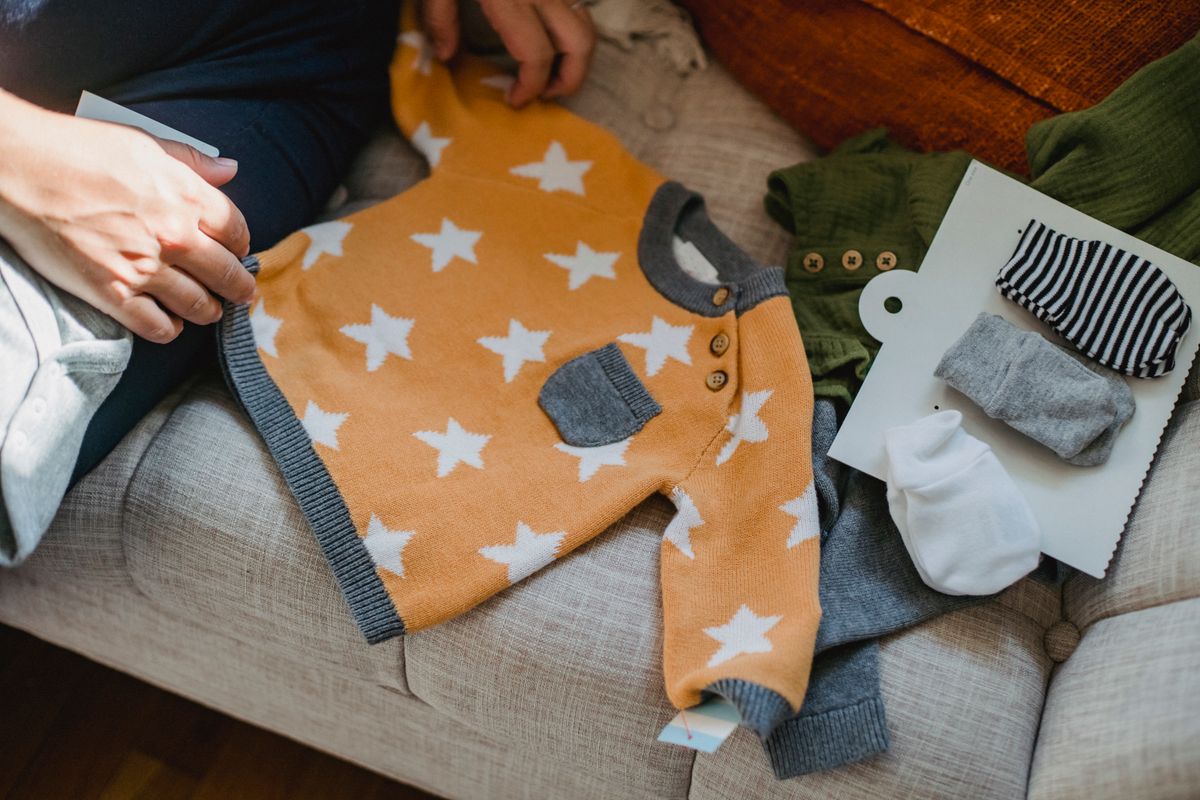
I spent three weekends painting the nursery. Rearranged the cot twice. Ironed tiny sleepsuits that would be covered in milk within hours. And then I came home from hospital, shuffled to the bathroom, and realised I had precisely nothing ready for myself. No cooling pads. No comfortable underwear. Not even a decent water bottle within arm's reach of wherever I was going to attempt to sit down.
Sound familiar? You are not alone. Most of us pour every ounce of nesting energy into baby's corner and completely forget that there is another human in this equation who just went through something fairly enormous.
Here is the thing: postpartum recovery is not something that just happens to you. It is something you can actually prepare for. And doing that prep while you are still pregnant, when you can still walk to the shops without wincing, is one of the kindest things you can do for future you. 💜
Why Prepping for Recovery Matters More Than You Think
The fourth trimester is real, and it is relentless. Your body has just done something extraordinary, and it needs time, rest, and the right supplies to heal. But in those first days at home, you will not want to send anyone on a frantic mission to find perineal spray or maternity pads. You will want everything within arm's reach, ready to go.
Think of it like packing a hospital bag, but for your sofa. Your recovery station. The place where you will spend most of your waking (and half-sleeping) hours for the first couple of weeks.
The Bits Nobody Warns You About: Below the Belt
Let us get the unglamorous stuff out of the way first, because this is genuinely where preparation makes the biggest difference.
Whether you have a vaginal birth or a caesarean, your body is going to need some serious TLC downstairs. Maternity pads are a given, but there are a few extras that can turn those first bathroom trips from dreaded to merely uncomfortable.
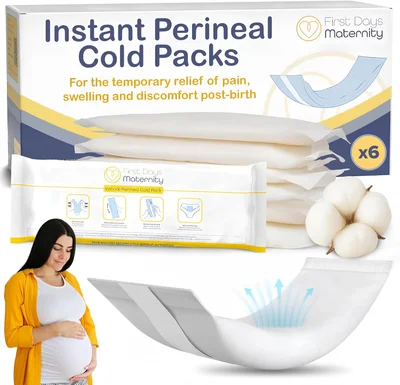
Perineal cold packs are an absolute game-changer. Pop one on after a trip to the loo and the relief is instant. They reduce swelling, soothe stitches, and generally make everything feel slightly less like you have been through a war zone. Stock up on at least two packs before your due date.

A peri bottle (basically a squeezy water bottle you aim at yourself instead of using toilet paper) sounds ridiculous until you have used one. Then it sounds like genius. And comfortable, high-waisted disposable underwear means you are not ruining your nice pants while also avoiding anything with an elastic waistband that sits right across a caesarean scar.
Your Recovery Station: Setting It Up Before D-Day
Here is a tip that will make the first week infinitely easier. Before your due date, set up a recovery station wherever you plan to spend most of your time. Sofa, bed, wherever.
You want within arm's reach:
- A massive water bottle (breastfeeding makes you thirstier than you have ever been in your life)
- Snacks that can be eaten one-handed
- Your phone charger on an extra-long cable
- Maternity pads, breast pads, and lip balm (hospital air dries everything out)
- A basket or caddy with all your recovery supplies
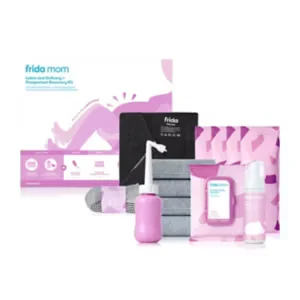
If you want to skip the individual shopping and grab everything in one go, an all-in-one recovery kit is worth its weight in gold. Having it all boxed up and ready means one less thing to think about when your brain is running on two hours of sleep.

Supporting Your Core (and Your Confidence)
Your abdominal muscles have just spent nine months being slowly stretched apart. They are not going to snap back overnight, and that is completely fine. But a good postpartum support band can make a surprising difference in those early weeks.
It is not about "bouncing back" or fitting into pre-pregnancy jeans. It is about feeling physically held together when everything feels a bit wobbly. Many people find that gentle compression around the midsection helps with posture during feeds, supports a caesarean scar, and just generally makes standing upright feel less like a core workout.
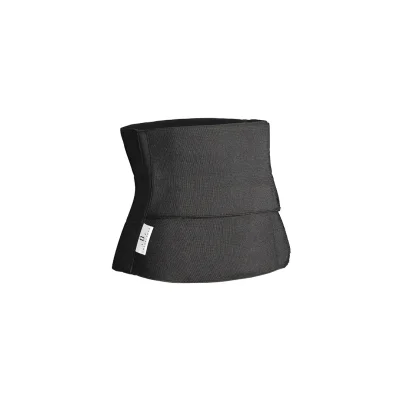
Start wearing it a few days after birth (check with your midwife first if you have had a caesarean) and use it as much or as little as feels right. There are no rules here, only whatever makes you more comfortable.
Chest Comfort: Whether You Breastfeed or Not
Here is something that catches a lot of people off guard: your chest is going to change dramatically in those first few days, regardless of how you plan to feed. When your milk comes in (usually around day three to five), things get tender. Really tender.
Hydrogel breast pads are brilliant for sore or cracked nipples. They cool on contact, create a moist healing environment, and can be worn inside your bra between feeds. Even if you are formula feeding from the start, your body will still produce milk initially, and the engorgement can be genuinely painful. Having cooling pads on hand is a small thing that makes a big difference.
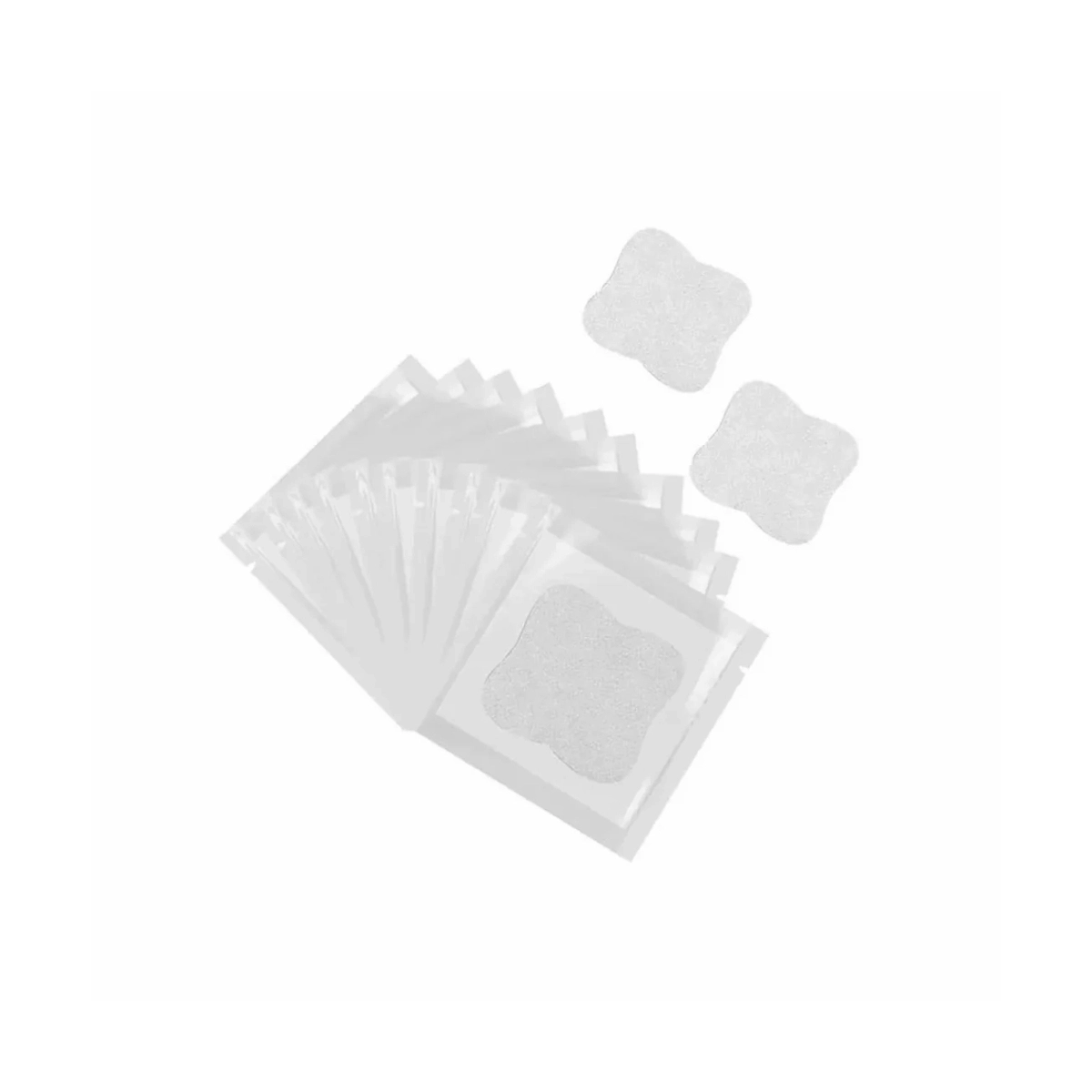

Stock up on regular breast pads too, whether disposable or reusable. Leaking is normal, unpredictable, and happens most when you least expect it. Usually in public. Usually when you have forgotten to bring spares. So buy more than you think you need.
The Emotional Side: Give Yourself Permission
Recovery is not just physical. The hormonal crash after birth is real and it is wild. One minute you are overwhelmed with love, the next you are crying because someone put the wrong mug in the dishwasher. This is normal. This is hormones. This is not you failing at anything.
Give yourself permission to not be fine. Permission to sit in your pants and eat biscuits. Permission to not answer the door when well-meaning visitors turn up unannounced. Permission to say "actually, could you hold the baby while I have a shower?" without feeling guilty about it.
If the low mood lasts beyond two weeks, or if you feel anxious, panicky, or disconnected from your baby, talk to your midwife or GP. There is no medal for toughing it out, and there is excellent support available.
Your Prep Checklist: What to Buy in the Third Trimester
Because a list is sometimes all you need when your brain is mush:
- Maternity pads (at least 3 packs, you will go through more than you expect)
- Perineal cold packs or witch hazel pads
- A peri bottle for gentle cleaning
- High-waisted disposable underwear (trust us on this one)
- Breast pads, both hydrogel for soreness and regular for leaks
- A postpartum support band if you want one
- Nipple cream (lanolin-based or natural)
- A good lip balm and hand cream
- Loose, comfortable clothes that open at the front
- A massive water bottle and easy one-handed snacks
Pop it all in a basket or bag and leave it by your bed or sofa. Future you will be so, so grateful.
One Last Thing
You are about to do something incredible. And the fact that you are reading this, thinking about how to look after yourself afterwards, already shows you are going to be brilliant at this whole parenting thing.
Prep for baby, absolutely. But prep for you too. You deserve the same care and thought that you are pouring into those tiny sleepsuits and perfectly folded muslins. Add your recovery essentials to your BubsNest registry so that when people ask "what do you need?", you have an honest answer ready. 💜
Ready to Create Your Baby Registry?
Start your free baby registry today and share it with friends and family.
Get Started Free