Pregnancy Sleep: How to Get Comfortable When Your Bump Has Other Plans
Struggling to sleep while pregnant? From the best positions to what to wear in bed, here are the tricks that actually help you rest.
Here is a fun fact nobody puts in the pregnancy books: by the third trimester, the average pregnant woman wakes up three to five times per night. Not because the baby is crying. Because getting comfortable has become a full-contact sport involving four pillows, a strategically placed cushion, and at least two trips to the loo.
If you are reading this at 2am, propped up on one elbow with your phone brightness on zero, you are absolutely not alone. Pregnancy sleep is its own special category of chaos, and it changes with almost every week. The good news? There are real, practical things you can do to make it better. Not perfect. Better. And sometimes "better" is the difference between surviving your morning and genuinely enjoying it. 🌜
Why Pregnancy Wrecks Your Sleep (It Is Not Just the Bump)
Most people assume the third trimester is when sleep falls apart, but the trouble often starts much earlier. First trimester exhaustion is real, progesterone surges make you sleepy all day and then weirdly alert at midnight, and the constant need to wee kicks in long before your bump is even visible.
By the second trimester, heartburn and restless legs enter the chat. Your body is literally building a human, and it is pulling resources from everywhere, including your magnesium stores (hello, leg cramps at 3am). And then the third trimester adds hip pain, back pain, breathlessness, and a baby who has decided that kicking practice happens exclusively between 11pm and 1am.
The point is, disrupted sleep in pregnancy is not a failing. It is biology doing what biology does. But there are ways to work with it rather than just suffering through.
The Position Question: Why Side Sleeping Matters
You have probably heard that you should sleep on your left side during pregnancy. The reasoning is solid, sleeping on your left takes pressure off the vena cava (the big vein that returns blood to your heart) and improves blood flow to the placenta. But here is the thing: if you wake up on your right side, or even on your back in the early months, do not panic.
Research suggests that it is the position you fall asleep in that matters most. Your body will naturally shift during the night, and that is okay. If you are a lifelong back sleeper, the switch to side sleeping can feel genuinely awful at first. Give it time. Your body adjusts, and it helps to have something behind your back to stop you rolling over.
A rolled-up towel behind your back works in a pinch. But if you are past the "let me just wing this" stage, a proper pregnancy pillow transforms the experience. The best ones support your bump, your back, and the space between your knees all at once.


What You Wear to Bed Actually Matters
This sounds small, but hear me out. Regular pyjamas start to feel genuinely restrictive somewhere around 20 weeks. Waistbands dig in. Tops ride up. Bra straps cut into swollen skin. And you end up doing that half-awake wrestle with your clothes at 4am, which is the last thing you need.
Maternity nightwear is not about looking cute (though some of it is). It is about removing one more thing that wakes you up. A soft, stretchy nightdress with no restrictive waistband gives your bump room to breathe. Look for cotton or bamboo blends that stay cool, because pregnancy night sweats are a real and wildly under-discussed phenomenon.


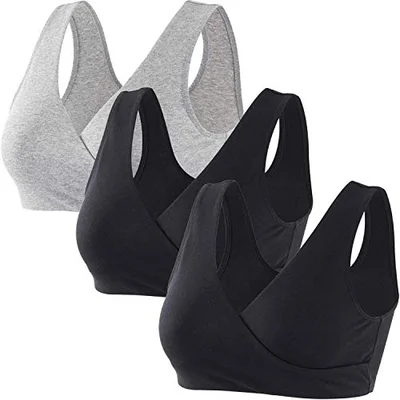
On the bra front, if you are still wearing a wired bra to bed (no judgment, some of us did it for years pre-pregnancy), now is the time to stop. A seamless maternity sleep bra gives you the support you need without the underwire digging into sore tissue. The difference it makes to shoulder and rib comfort overnight is surprising.
The Heartburn Problem (and What to Do Before Reaching for Antacids)
Pregnancy heartburn is caused by the same hormone, progesterone, that relaxes the valve at the top of your stomach. By the third trimester, your growing baby is also pushing everything upward, making it worse. Lying flat is the absolute worst position for this.
Before you buy stock in Gaviscon (though honestly, keep some by the bed), try these:
- Prop the head of your bed up by about 15cm using blocks or books under the legs, not extra pillows (which just bend your neck)
- Stop eating at least two hours before bed
- Avoid chocolate, citrus, and spicy food in the evening (sorry)
- A small glass of milk before bed works for some people, try it and see
If heartburn is waking you up every single night despite these changes, mention it to your midwife. There are pregnancy-safe options beyond over-the-counter antacids.
Leg Cramps, Restless Legs, and Other Nocturnal Fun
Leg cramps in pregnancy often come down to magnesium, or rather the lack of it. Your body uses more magnesium than usual during pregnancy, and if your levels drop, your calf muscles let you know about it in the most dramatic way possible at 3am.
A magnesium supplement (check with your midwife first) can make a noticeable difference. Gentle calf stretches before bed help too: stand with your hands against a wall, one foot back, heel pressed to the floor, and hold for 30 seconds each side. It takes two minutes and it genuinely works.
Restless legs are trickier. That crawling, fizzing, "I must move my legs right now" sensation affects up to a third of pregnant women, and there is no single magic fix. Iron levels are worth checking (low ferritin is a common trigger), and some people find that a warm bath before bed calms it down. If it is making you miserable, tell your GP. They have heard it before.
Building a Sleep Routine That Actually Sticks
Your pre-pregnancy routine of scrolling Instagram until you fell asleep probably needs an update. Not because you need to become a wellness influencer, but because your body genuinely responds to signals now more than ever.
A good pregnancy sleep routine does not need to be complicated. Try picking just two or three of these:
- Same bedtime every night (within 30 minutes, not military precision)
- Phone down 30 minutes before sleep, yes really, the blue light thing is not a myth
- A warm (not hot) shower or bath, your body temperature drop afterward triggers sleepiness
- A few minutes of gentle stretching, hips and lower back especially
- Keeping the bedroom cool, around 18 degrees is ideal
And here is permission you probably need: if you cannot sleep after 20 minutes, get up. Go to another room, do something boring (reading a manual, folding baby clothes), and go back when you feel drowsy. Lying in bed getting frustrated makes the insomnia worse, not better.
When to Stop Worrying and When to Speak Up
Some pregnancy sleep disruption is just... pregnancy. It is annoying and exhausting, but it is normal. However, there are a few things worth flagging to your midwife or GP:
- Snoring that started during pregnancy, especially loud or broken snoring (this can be a sign of sleep apnoea, which is more common in pregnancy than people realise)
- Persistent insomnia that leaves you unable to function during the day
- Intense anxiety or racing thoughts that keep you awake, this might be antenatal anxiety and there is help available
- Extreme daytime sleepiness combined with restless sleep, worth checking your iron levels
You do not need to be "bad enough" to mention it. If sleep is affecting your daily life, your midwife wants to know. That is literally what they are there for.
The Honest Summary
Pregnancy sleep is not going to be the best sleep of your life. That is just the reality. But the difference between "waking up three times and falling back asleep easily" and "lying awake for two hours in pain and frustration" is enormous, and most of it comes down to small, practical changes.
Get the right pillow. Ditch the restrictive pyjamas. Prop the bed up. Stretch your calves. And give yourself permission to nap without guilt, because growing a human is genuinely hard work, and your body knows what it needs. 💤
Want to start building your wish list of pregnancy comfort essentials? Set up your free BubsNest registry and let family know exactly what would help.
Ready to Create Your Baby Registry?
Start your free baby registry today and share it with friends and family.
Get Started Free