Preparing for Labour: What Actually Helps When the Big Day Gets Close
From TENS machines to perineal massage, here is what genuinely prepares your body and mind for birth, and what you can quietly skip.
There is a strange myth floating around that you cannot really prepare for labour. That it is so unpredictable, so wild, so entirely its own beast that the best you can do is cross your fingers and hope for the best. And look, labour IS unpredictable. But that does not mean you should walk into it without a single tool in your back pocket.
Think of it less like revising for an exam and more like packing for weather you cannot forecast. You cannot control the storm, but you can absolutely make sure you have got a decent coat. 🌼
Your Body Is Already Preparing (Even If You Cannot Tell)
From around 36 weeks, your body starts doing remarkable things behind the scenes. Braxton Hicks contractions are gently rehearsing the real thing. Your cervix is slowly softening. Your baby is (hopefully) shifting head-down and settling into position.
You might notice a dull ache in your lower back, pressure in your pelvis, or the sudden ability to breathe properly again as your bump drops. These are all signs that your body knows what it is doing, even when your brain is busy catastrophising at 2am.
The things you can actively do in these final weeks fall into two camps: physical preparation and mental preparation. Both matter. Neither needs to be complicated.
Physical Prep That Actually Makes a Difference
Perineal massage
This is the one that makes everyone wince, but the evidence is genuinely solid. Regular perineal massage from around 34 weeks has been shown to reduce the likelihood of tearing during birth, particularly for first-time mothers. It works by gradually stretching the tissue so it is more flexible when the time comes.
You can do it with your fingers and some oil (unscented, natural oil works fine), or you can use a purpose-built tool that makes the angle slightly less awkward. Two to three times a week for five to ten minutes is the general recommendation. It is not glamorous. It is not fun. But it is one of the few things with actual research behind it.


Staying active (gently)
This does not mean hitting the gym. It means walking, gentle stretching, and spending time on a birthing ball if you have one. Sitting upright and leaning slightly forward encourages your baby into an optimal position. Bouncing gently on a ball can ease back pain and help your pelvis open up.
Pregnancy yoga is brilliant if you can access a class or find a good online one. The stretches are specifically designed for late pregnancy, and the breathing techniques carry directly into labour itself.
Raspberry leaf tea
The evidence here is more mixed, but many midwives suggest starting raspberry leaf tea from around 32 weeks. It does not induce labour (despite what your well-meaning aunt insists). What it may do is tone your uterine muscles, potentially making contractions more efficient when they do start. Think of it as conditioning, not triggering. Start with one cup a day and build up gradually.
Pain Management: What Are Your Options?
Here is the thing about labour pain: it is real, it is intense, and there is absolutely no shame in wanting to manage it. The key is knowing your options before you are in the thick of it, because making decisions mid-contraction is not ideal for anyone.
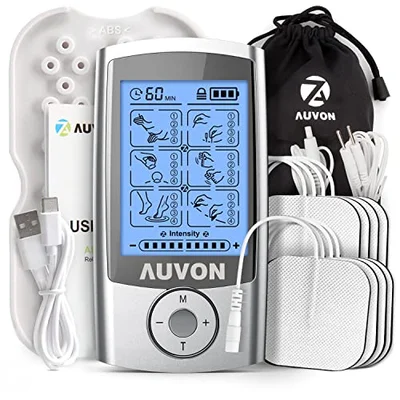
TENS machines
A TENS machine sends small electrical pulses through pads on your back, which work by interrupting pain signals to your brain. It sounds slightly terrifying, but the sensation is more like gentle tingling than anything dramatic. Most people find it genuinely helpful in early labour, and some swear by it all the way through.
The best bit? You control the intensity yourself. You can turn it up as contractions build and ease it off in between. It is drug-free, it keeps you mobile, and it gives you something active to do with your hands when the waves hit, which is more psychologically valuable than you might think.

Birth combs
This one sounds almost too simple to work, but it is based on gate control theory, the idea that a strong sensation in one area can reduce your brain's ability to process pain from another. You grip a small comb in your palm during contractions so the teeth press into the fleshy part of your hand. It gives your brain a competing signal to focus on.
Does it replace an epidural? No. Does it give you something physical to concentrate on during early and active labour? Absolutely. It is inexpensive, portable, and surprisingly effective for something you could theoretically find in your bathroom drawer.
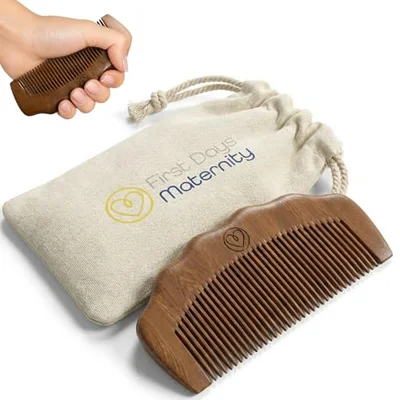
First Days Maternity Supplies
First Days Maternity Birth Buddy Comb Drug Free Labour Pain Relief
£5.99
Breathing techniques
Every antenatal class covers breathing, and every person in labour forgets it at some point. That is normal. The point is not to breathe perfectly through every contraction. The point is to have a technique to fall back on when panic creeps in.
Slow breathing in through your nose and out through your mouth works for most people. Some find counting helpful, breathing in for four and out for six. Others prefer a sound, a low hum or an "ahhh" on the exhale. There is no wrong answer. Practice a few times beforehand so it feels familiar rather than forced.
Mental Preparation: The Bit Everyone Underestimates
Know your options (all of them)
Understanding what pain relief is available to you, from gas and air to pethidine to an epidural, means you can make informed decisions in the moment rather than panicking. You do not need a rigid birth plan that falls apart at the first deviation. You need a rough map and the confidence to change course.
Talk to your midwife about what your hospital or birth centre offers. Ask about water births if that appeals to you. Find out whether the anaesthetist is available 24/7 or only during certain hours. These are the practical details that reduce anxiety on the day.
Tour the labour ward
If your hospital offers a tour, take it. Knowing where to park, which entrance to use, where the lifts are, and what the rooms look like removes a surprising amount of anxiety. The unfamiliar becomes slightly less unfamiliar, which matters when you are arriving in active labour at an inconvenient hour.
Pack your bag early
From around 36 weeks, have your hospital bag ready to go. Not because your baby is necessarily arriving early, but because not having it packed is a low-level source of stress you do not need. Include the things that comfort you: your own pillow, a playlist, lip balm, snacks that do not require chewing. The practical stuff (maternity pads, baby clothes, car seat) matters too, but your comfort items are what will get you through the long bits.
What You Can Quietly Skip
Not everything marketed as "labour prep" is worth your time or money. A few things you can cheerfully ignore:
- Dates (the fruit). The studies suggesting six dates a day shortens labour are tiny, poorly controlled, and frankly not worth choking down a punnet of medjool dates every evening for.
- Elaborate birth affirmation cards. If they genuinely help you, brilliant. But do not buy a set out of guilt. A simple mantra you repeat to yourself does the same job.
- Hypnobirthing courses that cost hundreds. The techniques themselves are useful (deep relaxation, visualisation, breathing). But you can learn them from a good book or a free YouTube series. You do not need to remortgage for it.
The Stuff You Cannot Prepare For (And That Is OK)
Labour will surprise you. It might be faster than you expected or slower than you hoped. You might use every coping technique in your arsenal, or you might throw the birth plan out the window in the first hour and ask for everything the hospital has. Both are fine. Both are valid.
The real preparation is not about controlling every detail. It is about walking in knowing you have options, knowing your body is capable of extraordinary things, and knowing that whatever happens, the end result is the same: you get to meet your baby.
And honestly? That bit makes all of it worth it. 💛
If you are building your birth prep list, you can add any of these products straight to your BubsNest registry and tick one more thing off the to-do list.
Ready to Create Your Baby Registry?
Start your free baby registry today and share it with friends and family.
Get Started Free