Preparing Your Toddler for a New Baby: How to Help Them Feel Ready (Not Replaced)
A warm, practical guide to helping your older child welcome a new sibling, from breaking the news to surviving the first wobbly weeks at home.
How do you explain to a two-year-old that someone new is moving in, permanently, and that they are going to have to share literally everything, including you?
It is one of those parenting moments that feels enormous from the inside. You want to get it right. You want your firstborn to feel excited, not threatened. You want them to understand just enough without overwhelming them. And the truth is, there is no single perfect approach. But there are a few things that genuinely help, and a lot that you can safely stop worrying about.
When to Break the News
Toddlers have no concept of time. Telling a 20-month-old in the first trimester that a baby is coming "in the summer" means absolutely nothing to them. Most child development specialists suggest waiting until the bump is visible and the pregnancy feels real to you, usually around the second trimester, before starting the conversation.
If your child is closer to three or four, they might pick up on things sooner. Overheard phone calls, a new car seat appearing in the hallway, relatives asking "are you excited about the baby?" at Sunday lunch. In that case, a simple, honest explanation works best. "There is a baby growing in Mummy's tummy. It will come out when it is ready, and then you will be a big brother/sister." No fanfare, no pressure. Just facts, delivered warmly.
You do not need a grand announcement. In fact, the lower the drama, the better. Children take their emotional cues from you. If you are relaxed about it, they usually are too.
The Books That Do the Heavy Lifting
If you are struggling to find the right words (and honestly, who is not?), sibling books are brilliant. They give your child a story to hold onto, something they can return to again and again as the idea sinks in. Reading together also opens the door for questions you might not have thought to answer.
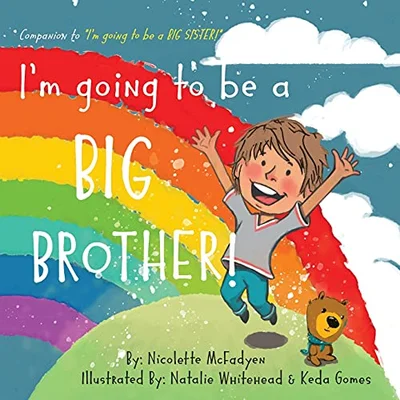

Look for books that show the baby arriving and the older child still being loved, still being important. That is the message your toddler needs to absorb: their place in the family is not under threat. It is expanding.
Read the book casually. Not as a Big Educational Moment, but the way you would read any bedtime story. If your child wants to talk about it afterwards, brilliant. If they would rather talk about dinosaurs, that is fine too. The seed is planted.
Let Them Practice Being the Big One
Here is something that sounds silly but works surprisingly well: give your toddler their own baby to look after. A doll, a teddy, whatever they latch onto. Let them practise feeding it, pushing it in a little pram, wrapping it in a blanket. It is not about creating a perfect miniature parent. It is about giving them a role, something they can do alongside you when the real baby arrives.
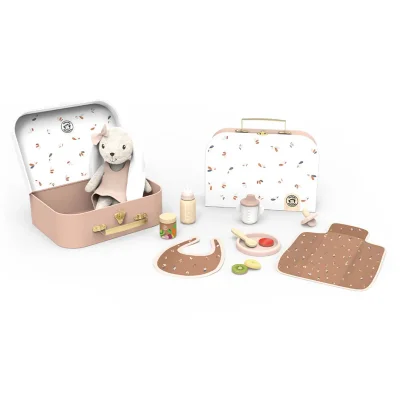

When you are changing a nappy, they can "change" their doll's nappy. When you are rocking the baby, they can rock theirs. It sounds so simple, but the feeling of inclusion is everything at this age. They are not being pushed to the side. They are doing important work too.
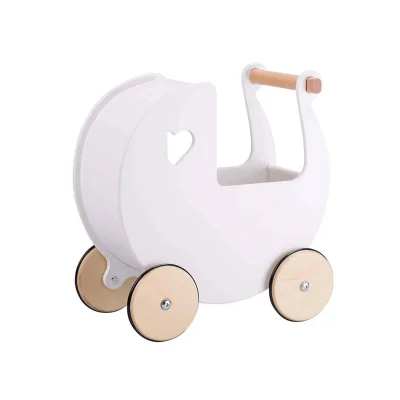

A toy pram is especially good for this. Toddlers love pushing things, and there is something rather lovely about watching a two-year-old carefully pushing their own baby around the living room while you are doing the same thing with the real one.
Small Changes to Make Before Baby Arrives
If your toddler needs to move out of the cot, switch to a toddler bed well before the baby arrives. Months before, ideally. The last thing you want is for your older child to feel like they have been evicted from their bed because the new baby needed it. Same goes for moving bedrooms or starting nursery. Make those transitions happen on their own timeline, completely disconnected from the baby's arrival.
Think about your daily routine and where it might change. If bath time has always been your one-on-one moment with your toddler, protect it. Decide now who will handle what in the early weeks so that your firstborn's anchor points stay in place. They might not remember that the baby was born on a Tuesday, but they will absolutely notice if nobody reads them a story before bed anymore.
Stock the freezer. Accept every offer of help. And if a well-meaning relative asks what they can do, say "take the toddler to the park for an hour." You and the baby will be fine. Your toddler is the one who needs the extra attention right now.
The Day You Come Home With Baby
This is the bit that most parents overthink, and honestly, it is usually less dramatic than you expect. A few things that help:
- Have someone else carry the baby in so your arms are free for your toddler. That first cuddle matters more than you think.
- Let your toddler come to the baby in their own time. Some children rush over immediately. Others hang back and pretend to be interested in a biscuit instead. Both responses are completely normal.
- A small gift "from the baby" can smooth the introduction. Nothing extravagant, just a little something that says "I know you are here, and you are important." A new set of crayons, a small toy, a book.
- Keep the first day calm and low-key. This is not the moment for a houseful of visitors cooing over the newborn while your toddler watches from the corner.
When the Wobbles Come (And They Will)
Even the most well-prepared toddler will have moments. Regression is incredibly common. The child who was perfectly happy using the toilet might start having accidents. The one who had been sleeping through might start waking at midnight asking for milk. The one who had dropped their dummy might suddenly want it back.
This is not a failure. It is a completely healthy response to a massive change. Your toddler is testing whether the rules still apply, whether they are still safe, whether you still come when they call. The answer needs to be yes, every time, even when you are running on three hours of sleep and the baby has just been sick down your last clean top.
Jealousy can look like anger, clinginess, refusing food, or sudden obsessions with things they had not cared about in months. It can also look like too much enthusiasm, a hug that is slightly too tight, a "gentle" pat that lands a bit hard. Supervise, redirect, and try not to take it personally. They are processing something enormous with a brain that cannot yet name its own feelings.
The single most powerful thing you can do is carve out five to ten minutes of completely focused, phone-away, one-on-one time with your older child every day. It does not matter what you do. Build a tower. Read a book. Sit on the kitchen floor eating raisins together. What matters is that for those minutes, they are your only priority, and they know it.
It Gets Easier (and Then It Gets Beautiful)
The first few weeks are an adjustment for everyone. There will be days when you feel like you are failing both children simultaneously. You are not. You are doing the single hardest version of parenting there is: splitting yourself in two and hoping both halves are enough.
And then one morning, you will walk into the room and your toddler will be sitting next to the baby, showing them a toy car, explaining very seriously how the wheels work. Nobody asked them to. Nobody prompted it. They just did it, because that is their baby, and they have decided to be in charge of car education.
That is the moment it clicks. Not because you did everything perfectly, but because you gave them enough space, enough reassurance, and enough time to figure out their new role on their own terms. You have got this. And so have they. 🧡
Building your second-baby wishlist? Start (or update) your BubsNest registry here and add the bits that will make the transition smoother for everyone.
Ready to Create Your Baby Registry?
Start your free baby registry today and share it with friends and family.
Get Started Free