Sensory Play for Babies: Simple Ideas for Every Stage
Forget the flashy gadgets. The best sensory play uses what you already have at home. Here are easy, age-appropriate ideas from birth to 12 months.
Forget the flashy light-up toys and the pricey "developmental" gadgets with 47 buttons. The most powerful sensory experience your baby can have? Your face. Your voice. A wooden spoon and a saucepan lid. Sensory play does not require a Pinterest board or a trip to a specialist shop. Most of it is already sitting in your kitchen cupboard.
But knowing what to actually do with your baby at each stage, that is where it gets confusing. A three-month-old and a nine-month-old need completely different things, and the internet has a wonderful habit of lumping "baby play" into one enormous, overwhelming heap. So here is a stage-by-stage guide to sensory play that is practical, simple, and actually doable on four hours of sleep. 🌚
What Is Sensory Play, Actually?
Sensory play is anything that engages your baby's senses: sight, sound, touch, taste, smell, and the two you probably did not learn about in school, vestibular (balance and movement) and proprioceptive (body awareness). That sounds very textbook, but in practice it means things like splashing in water, scrunching tissue paper, or being gently bounced on your knee.
It is not about teaching your baby maths by age one. It is about giving their brain the raw material it needs to make connections. Every new texture, sound, and movement is literally building neural pathways. The good news is that babies are designed to seek this stuff out, which is why they put everything in their mouth and grab your glasses off your face seventeen times a day.
0-3 Months: The World Is Brand New
Newborns can only see about 20-30cm in front of them, which is roughly the distance to your face when you are holding them. Their world is blurry, close, and mostly about you. This is not a limitation, it is exactly what they need.
High-contrast images are brilliant at this stage. Black and white patterns, bold stripes, and simple faces will hold their attention far longer than any pastel mobile. Hold a black-and-white card about 25cm from their face and watch their eyes lock on. It is genuinely fascinating.
Touch is huge right now too. Stroke their arms with different fabrics: a muslin, a soft flannel, a slightly textured cotton. Let them grip your finger (that reflex is not just cute, it is sensory input). Skin-to-skin contact is the ultimate sensory experience for a newborn, full stop.
Simple touch-and-feel books are perfect for this age. You do the page turning, they do the feeling. Even a few minutes of stroking different textures while hearing your voice is a rich sensory session.
3-6 Months: Grabbing Everything in Sight
This is where things get fun. Your baby can now reach for objects, bring them to their mouth, and start to understand cause and effect in the most basic way. "I hit this thing, it makes a noise. Incredible. I shall do it 400 more times."
Tummy time becomes a whole sensory experience when you put interesting things just within reach. A crinkly toy, a small mirror, a rattle, anything that rewards them for the heroic effort of lifting their head. An activity mat with different textures and dangling toys gives them a whole landscape to explore.
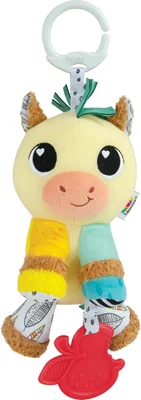
Pram toys earn their place now too. A clip-on toy with different textures, sounds, and things to grab turns a boring supermarket trip into a full sensory workout. Bonus: it buys you an extra ten minutes of peace in the cereal aisle.

Water play can start gently here as well. During bath time, let them splash with their hands and feet. Pour warm water slowly over their tummy. The sensation is completely different from anything they experience on dry land, and most babies absolutely love it.
6-9 Months: The Cause-and-Effect Era
Welcome to the stage where your baby discovers that dropping things is the greatest game ever invented. They are not being annoying (well, not deliberately). They are learning that their actions have consequences. I push the cup, the cup falls, someone picks it up. Revolutionary.
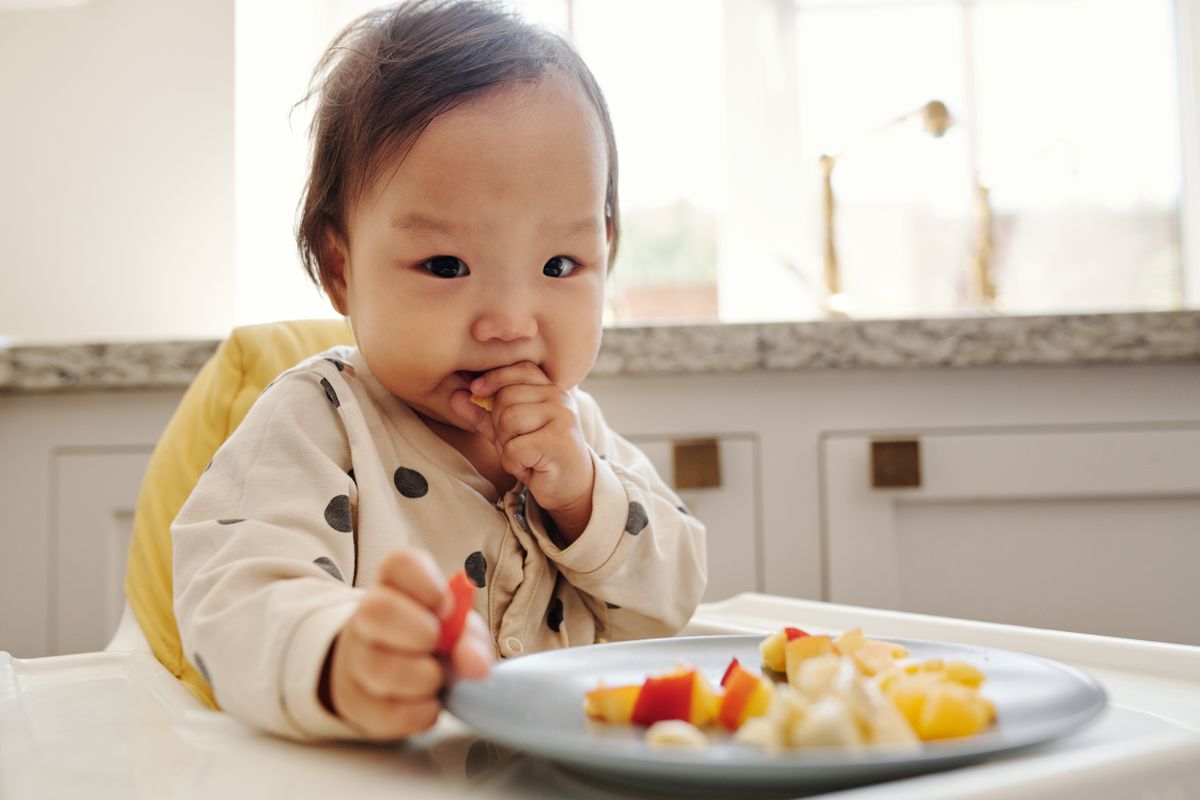
This is the golden age for messy play. Put some cooked pasta on their highchair tray and let them squish it. Offer a bowl of mashed banana and stand back. Yes, it goes everywhere. That is the point. The slippery, squishy, cold, warm, lumpy sensations are exactly what their brain is craving.
Sound play gets more sophisticated too. Fill a small plastic bottle with dried rice and seal it tightly, instant shaker. Wooden spoons on different surfaces (a book, a table, the floor) make different sounds, and watching your baby figure that out is genuinely delightful. 🎵
If you have not tried a treasure basket yet, now is the perfect time. Fill a shallow basket with everyday objects: a whisk, a wooden egg cup, a large pine cone, a silk scarf, a lemon. Sit them in front of it and let them explore. No instructions, no right way to play. Just pure, unstructured sensory discovery.
9-12 Months: Sorting, Stacking, and Getting Properly Messy
Your baby is probably crawling, possibly cruising, and definitely into everything. Their fine motor skills are developing rapidly, which means they can now pick up small objects, post things into holes, and start to understand that shapes go in specific places.
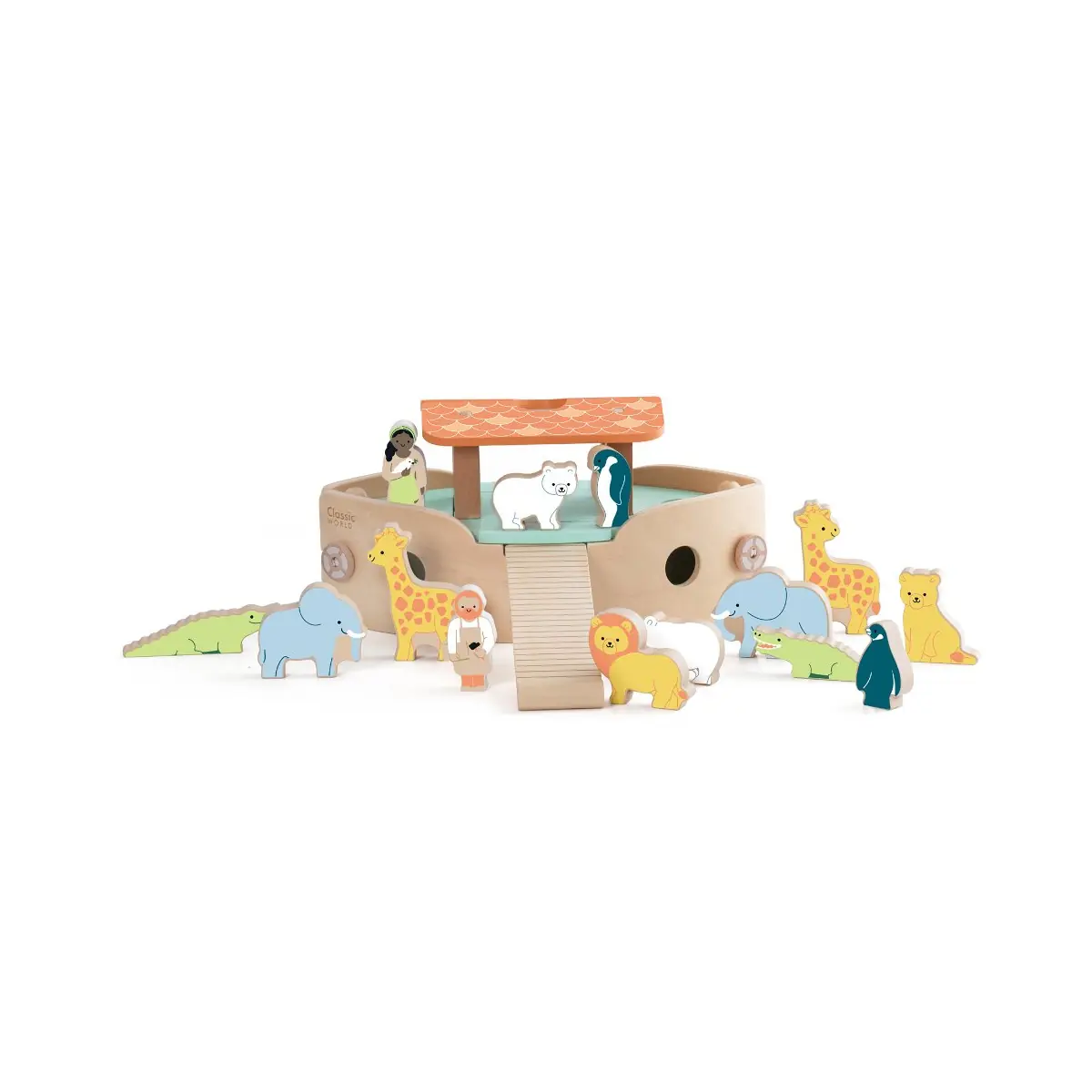

Shape sorters become genuinely interesting now, not because your baby will master them immediately, but because the process of trying, failing, and trying again is incredible brain work. Look for ones with chunky pieces that are easy to grip and satisfying to post.
Water play can level up dramatically. Give them cups, a colander, a funnel. Pouring water from one container to another is mesmerising for babies this age. A washing-up bowl on the kitchen floor with a towel underneath keeps the mess manageable (ish).
Finger painting with yoghurt is a classic for a reason. Safe if it goes in the mouth (it will), brilliantly messy, and the cold, smooth, squishy texture is a total sensory overload in the best possible way. Put them in just a nappy, tape some paper to the highchair tray, and let chaos reign.
DIY Sensory Ideas You Already Have at Home
You genuinely do not need to buy much. Here are some ideas using things from your kitchen and around the house:
- Ice cubes on a tray - cold, slippery, and they disappear (magic!)
- Dried pasta in a container - scooping, pouring, and the sound is brilliant
- Tin foil balls - crinkly, shiny, lightweight, and free
- Jelly in a zip-lock bag - sealed and taped to the highchair tray for mess-free squishing
- Cardboard boxes - for crawling through, hiding in, and posting things into
- A colander and pipe cleaners - threading pipe cleaners through the holes is great for older babies
The fridge is basically a sensory toy shop. A cold spoon, a warm flannel, a slice of orange to smell, they are all free and they all work.
A Few Things to Keep in Mind
Always supervise closely, especially with water play and small objects. If it can fit through a toilet roll tube, it is a choking hazard for babies under three. Trust your instincts about what your baby is ready for.
Follow their lead. If they are not interested, try again another day. Sensory play should never feel like a lesson. If your baby is happy banging a wooden spoon on the floor for twenty minutes, that IS the activity. You do not need to redirect them to something more "educational."
And do not compare. Your baby's sensory journey is theirs. Some babies love water from day one. Others scream at the first splash and come around three months later. Both are completely normal. 💛
The Best Toy Is You
Seriously. Singing, pulling silly faces, tickling, gentle bouncing, blowing raspberries on their tummy - you are the most engaging, multi-sensory, interactive toy your baby will ever have. Everything else is just a bonus.
If you want to build a BubsNest wishlist with some sensory play essentials, keep it simple. A good activity mat, a few textured toys, and a touch-and-feel book will cover you for the entire first year. The rest comes from your kitchen cupboards, your imagination, and the willingness to let things get a little bit messy.
Ready to Create Your Baby Registry?
Start your free baby registry today and share it with friends and family.
Get Started Free