
Sleep Training: The Methods, the Myths, and What Parents Actually Do
A no-judgement guide to the most common sleep training approaches, what the evidence actually says, and how to set up the right environment for better nights.
It Sounds Scarier Than It Is
The first time you hear the phrase "sleep training", it sounds clinical. Like something involving a clipboard and a stopwatch and possibly a lab coat. It conjures images of babies crying alone in dark rooms while parents sit on the stairs biting their knuckles.
Here is the thing: that is one method, and it is not the only one, and most families who try it do not actually do it the way the internet describes. Sleep training is really just a shorthand for "helping your baby learn to fall asleep with less input from you." That is it. No lab coat required. 🌙
There is no single right approach. What matters is finding something that sits well with your family, your baby's temperament, and your own tolerance for crying (yours and theirs). This is not a prescriptive guide. It is a menu.
When Can You Start?
Most sleep consultants and health professionals suggest waiting until your baby is at least four to six months old before trying any formal sleep training. Before that, night waking is biologically normal and necessary, particularly for feeding.
Some gentler approaches, like building a consistent bedtime routine, can start much earlier. You do not need to wait until six months to dim the lights, run a bath, and read the same board book every evening. Predictability is soothing long before any "training" begins.
If your baby was premature, has reflux, or has any ongoing health concerns, speak to your GP or health visitor before making changes to their sleep patterns. Every baby is different, and timelines are guidelines, not deadlines.
The Main Methods (Explained Without the Drama)
Gradual Retreat
You stay in the room while your baby falls asleep, but you slowly move further away over several nights. Night one, you might sit beside the cot with a hand on their chest. A few nights later, you are sitting by the door. Eventually, you are out of the room entirely.
This one suits parents who find it hard to leave a crying baby. It is slower, but it is gentle, and it works well for babies who just need to know you are nearby.
Pick Up, Put Down
Exactly what it sounds like. When your baby fusses, you pick them up and comfort them until they are calm, then put them back down. Repeat until they fall asleep. It can feel like a workout (and it is), but it keeps physical contact in the picture.
Fair warning: some babies find the picking up and putting down more stimulating than soothing. If your little one gets more wound up each time, this one might not be your best fit.
Controlled Comforting
Sometimes called controlled crying, though that name does it no favours. You put your baby down awake, leave the room, and return at increasing intervals to briefly reassure them, without picking them up. The intervals might be two minutes, then five, then ten.
This is the method that gets the most heated debate online. The evidence, for what it is worth, does not show lasting harm. A widely cited 2012 study in the journal Pediatrics followed children for five years after controlled comforting and found no measurable difference in emotional development, stress levels, or parent-child attachment. But evidence is not the same as comfort. If this method makes you feel awful, you do not have to use it.
The Chair Method
A cousin of gradual retreat. You sit in a chair next to the cot while your baby falls asleep, but you do not interact, just sit there being a calm, boring presence. Over the course of a week or two, you move the chair closer to the door, then outside it. It is gentle and predictable, but it does require patience and a comfortable chair.
The Sleep Environment Matters More Than the Method
You can pick the most evidence-based method in the world and it will not work well if the room is wrong. Before you try anything, get the basics sorted. This is the part that actually makes the biggest difference for most families.
Darkness. Properly dark. Not "a bit dim" dark, but "cannot see your hand" dark. Blackout blinds or a travel blackout blind are worth every penny. Melatonin production responds to light, and even a small glow from a hallway or streetlamp can keep your baby's brain ticking.
Temperature. Between 16 and 20 degrees is the recommended range. A room thermometer takes the guesswork out. Layer a sleep bag rather than blankets, so they cannot kick covers off and get cold.


White noise. It does not work for every baby, but for those it clicks with, it is transformative. The steady sound masks household noise and mimics the whooshing they heard in the womb. You want something continuous, not a 20-minute timer that cuts out just as they are drifting off.
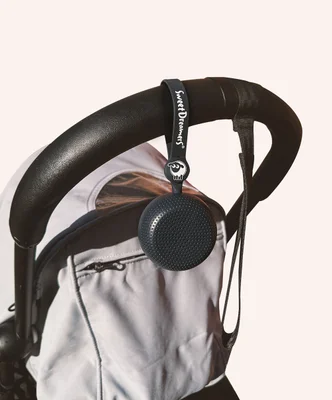

A consistent wind-down routine. Bath, pyjamas, feed, story, sleep bag, song, bed. The exact steps matter less than doing them in the same order every night. Babies and toddlers thrive on knowing what comes next.
Tools That Actually Help
A sleep trainer, one of those clever little devices that changes colour to show your child when it is OK to wake, can be genuinely useful once your baby becomes a toddler. They will not understand it at six months. But by 18 months to two years, a green light that means "morning time" can buy you an extra 30 minutes in bed, and that is priceless. 💤


If you want something that combines white noise, a night light, and a time-to-rise function in one device, an all-in-one sleep machine saves cluttering the bedside table. Look for one you can control from your phone so you are not creeping into the nursery to adjust the volume.


What Nobody Mentions About Sleep Training
It rarely works in three days. The Instagram posts claiming "sleep trained in 72 hours!" are either outliers, exaggerations, or talking about a very specific definition of "trained." For most families, it takes one to three weeks to see consistent improvement, with wobbles along the way.
Regressions are normal. Your baby will sleep beautifully for two weeks, then teeth will come through, or they will catch a cold, or you will go on holiday, and everything will reset. This does not mean it failed. It means babies are not robots. You go again.
You do not have to do it at all. If you are happy co-sleeping safely, or feeding to sleep, or rocking your toddler every night, and it works for your family, there is nothing to fix. Sleep training exists for families who are struggling, not as a universal parenting milestone. No one hands out certificates.
Your mental health matters too. If sleep deprivation is affecting your ability to function, your mood, or your relationship, that is a legitimate reason to make changes. Looking after yourself is not selfish. It is structural.
Where to Start Tonight
Forget the method for now. Start with the room. Get it dark, get the temperature right, introduce white noise if you have not already, and run the same bedtime routine for a solid week before changing anything else. You would be surprised how many families find that the environment fix alone gets them 80% of the way there.
And if you are building a registry or updating your wishlist, adding a sleep bag, a sound machine, and a blackout blind is more useful than almost anything else on the list. Your future, slightly-less-exhausted self will thank you. Head to your BubsNest registry and add them now, before you forget (because you will forget, because you are tired).
Ready to Create Your Baby Registry?
Start your free baby registry today and share it with friends and family.
Get Started Free