Spare Rooms and Travel Cots: Staying Over With Family at Christmas
Heading to the in-laws or your mum's for Christmas with a baby in tow? Here is how to plan, pack and settle into someone else's spare room so everyone gets some sleep.
"Oh, babies sleep anywhere."
Someone will say this to you before Christmas. Possibly your uncle, possibly while holding a mince pie. And look, some babies really do nod off on a pub bench with a brass band playing.
But plenty don't. A new room, new smells, a radiator that clanks at 5am and a cousin thundering up the stairs can turn a decent sleeper into a very confused little owl. 🦉
The good news? A Christmas stay at your parents', the in-laws' or your sister's spare room can absolutely work. It just needs a bit of planning before the car gets packed. Here's how to do it, from the first phone call to the drive home.
Two weeks before: ask the awkward questions
Ring ahead and find out where you'll actually be sleeping. Is it a proper spare room, a box room, or the sofa bed in the dining room that everyone walks through at breakfast?
A few things worth asking:
- Is there space for a travel cot next to your bed, away from radiators, curtain cords and plug sockets?
- What are the curtains like? Thin festive curtains plus a streetlight outside equals a 6am wake-up.
- How warm does the house run? Some grandparents keep the heating at tropical levels all December.
- Is anyone else staying? Teenagers on a games console through the wall will need a quiet word.
It can feel fussy to ask. It isn't. Your host would much rather know now than discover at midnight that the cot won't fit between the bed and the wardrobe.
One week before: sort the sleep space
If your relatives have an old cot in the loft, check it carefully before saying yes. Older cots may not meet current safety standards, and a second-hand mattress of unknown history isn't ideal for a young baby.
Taking your own travel cot is usually simplest. Your baby gets the same sleep space every visit, and you know exactly how it goes up. Do a practice run in your living room first, because nobody wants to wrestle with fold-out legs at 10pm on Christmas Eve.
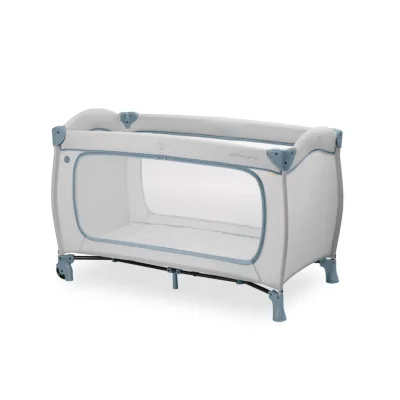

A quick safe sleep reminder, because it matters more than ever in an unfamiliar room:
- Use only the mattress that came with the travel cot. Don't add extra padding, folded duvets or a second mattress on top.
- Baby goes down on their back, feet to the foot of the cot, with no pillows, bumpers or soft toys.
- Keep the cot clear of the Christmas tree, fairy lights, trailing cables and anything hanging that little hands could reach.
If you're unsure about anything, have a chat with your health visitor before you go. The NHS and The Lullaby Trust both have clear safe sleep guidance worth a refresher.
Packing day: bring a little bit of home
Babies love familiar cues. The more of their usual bedtime you can recreate, the faster they tend to settle somewhere new.
Think about the three things your baby notices most at bedtime: how dark it is, what it sounds like and what it smells like.
Dark: A portable blackout blind is a game-changer when you don't know what the curtains will be like. Most stick to the window with suction cups and pack down flat in a case.


Sound: Someone's house at Christmas is noisy. Doors, laughter, the dishwasher, the dog. A small sound machine set to the same white noise you use at home can mask the chaos and act as a "time for sleep" signal.


Smell: Pack the cot sheet straight off your baby's bed at home, unwashed if you can bear it. It smells like home, and that genuinely helps.
Also on the list:
- Their usual sleeping bag, in the right tog for a warm house (pack a lighter one too)
- Nappies, wipes and cream for one more day than you think you need
- Calpol or infant paracetamol, plus a thermometer (shops close early on Christmas Day)
- Any formula, bottles and steriliser bits, if you use them
- A long phone charger, because the socket will always be on the wrong side of the bed
Arrival day: set up before the sherry
When you arrive, it's tempting to dive straight into hugs and catching up. Try to grab twenty minutes to set the room up first.
Put the cot up, stick the blind on, plug in the sound machine and lay out pyjamas and a clean nappy. Future you, slightly tired and full of roast potatoes, will be very grateful.
Then check the temperature. A room between 16 and 20°C is comfortable for a sleeping baby, and houses full of people and ovens can creep well above that. A small room thermometer takes the guesswork out of choosing the tog and whether to crack a window or turn a radiator down.
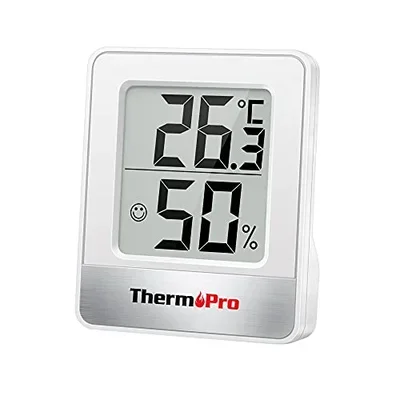
If you can, let your baby have a play in the room during the day. A bit of floor time where they'll later sleep makes it feel less like a strange cave at bedtime.
Bedtime: same routine, different house
Here's where you protect the routine like it's the last pig in blanket. Bath (or a quick wash), sleeping bag, feed, story, song, down. Exactly as you would at home, in the same order.
Expect a bit of a wobble the first night. Lots of babies take longer to settle, wake an extra time or decide 5:15am is morning. That's normal, and it usually improves by night two or three.
The other tricky part? Christmas evenings happen downstairs, and your baby is upstairs in an unfamiliar room. A plug-in video monitor means you can actually sit at the table, pull a cracker and keep an eye on them at the same time.

Agree a bedtime "quiet zone" with the household too. Nobody's asking for silence, just no stair-stomping or impromptu karaoke right outside the door for the first hour.
The morning after: let go of perfect
Early wakes happen. Missed naps happen. A baby who naps for twenty minutes in a pushchair on a walk round the village counts as a nap. Honestly.
Accept every offer of help. If Grandad wants to do a 6am stint with a bottle and the telly so you can go back to sleep, let him. That's what Christmas is for.
And when you get home, expect a night or two to reset. Back to your own cot, your own blinds and your own routine, and things will settle again quicker than you'd think. 💛
Make the next visit easier
If you know you'll be staying away regularly, a travel cot, a portable blind or a sound machine makes a brilliant, useful gift. Pop them on your BubsNest wishlist and let the family who are so keen for you to visit help kit out the spare room.
Ready to Create Your Baby Registry?
Start your free baby registry today and share it with friends and family.
Get Started Free