Spectra S1 vs Medela Swing Maxi Hands-free: Twice the Battery, but Only One Fits Under a Jumper
The Spectra S1 runs about three hours on a charge, has a closed system and a night light, but it lives on a table. The Medela Swing Maxi Hands-free costs less and its cups sit in your bra, but the battery is half the size. Here is which one suits the way you will actually pump.
COMPARISON · FEEDING TIME
Most breast pump comparisons line up suction numbers and call it a day. The Spectra S1 and the Medela Swing Maxi Hands-free are close enough on suction (both sit around the 250 mmHg mark on their listings) that the number tells you almost nothing. What separates them is where each pump expects you to be when you use it.
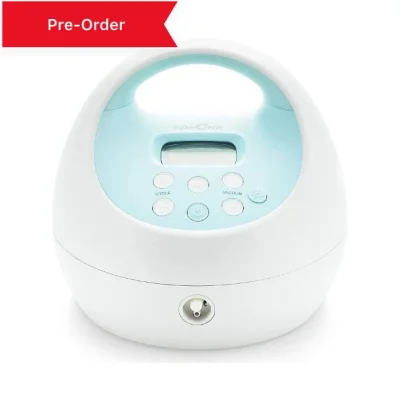
The Spectra S1 is a proper double electric pump with a built-in battery that runs for roughly three hours, a closed system that keeps milk out of the tubing, and a night light for the 3am session. It is also about the size of a small kettle and weighs around 1.3kg, so it lives on a bedside table or a desk. The Medela Swing Maxi Hands-free puts two lightweight collection cups inside your bra, runs from a compact motor you can clip or pocket, and usually costs less. The catch is a battery that gives roughly half the run time, plus tubing that still connects the cups to the motor.
So this is not really a question of which pump is "stronger". It is a question of whether you will mostly pump sitting down at home, or while doing something else. We looked at the full specs of both, the parts each one needs replacing, and what parents tell us after weeks of daily use, including the complaints that only show up around month three.
Lil' Bubba's verdicts
- Best Overall: Spectra S1 · 8.5/10 - three-hour battery, closed system and fine-grained controls make it the better daily workhorse
- Best for Pumping on the Move: Medela Swing Maxi Hands-free · 8.0/10 - in-bra cups and a small motor let you pump while you get on with your day
Quick comparison
| Spectra S1 | Medela Swing Maxi Hands-free | |
|---|---|---|
| Price at time of writing | £159.95 | around £126 |
| Style | Tabletop double pump with bottles | In-bra cups linked by tubing to a small motor |
| Battery | Built-in, about 3 hours, also runs on mains | Built-in, about 1.5 hours (around 6 sessions), USB-C |
| Max suction (listed) | 250 mmHg | 245 mmHg |
| Controls | 12 suction levels, adjustable cycle speed, massage and expression modes | 9 suction levels, 2-Phase Expression |
| Closed system | Yes, backflow protectors | Milk stays in the cups, not the tubing |
| Shields in the box | Two 24mm | 21mm and 24mm |
| Extras | Night light, timer, 30-minute auto-off | App connection, compatible with Medela's classic pumping kit |
| Our rating |
How we picked these two
Both pumps are double electric pumps from established breastfeeding brands, both are stocked by retailers we work with, and both regularly come up when parents ask us what to buy for returning to work or for regular expressing. We deliberately left out fully self-contained wearable pumps, where the motor sits inside the cup, because those are a different trade-off again. We compared published specs, the contents of each box, the cost and frequency of replacement parts, and what we hear repeatedly from parents who have used each one daily for at least a few weeks.
What to look for in a double electric breast pump
Battery you can trust. A built-in battery frees you from the wall socket, but batteries fade. Look at the quoted run time, then assume it will shrink over a year of daily pumping. If you plan to pump four or more times a day away from a socket, buy more battery than you think you need.
Closed system. A closed system puts a barrier between your milk and the motor, so condensation and milk cannot creep back into the tubing. It means less cleaning and less risk of mould in places you cannot see.
Adjustability. Separate control over suction strength and cycle speed lets you find the pattern that triggers your let-down. More settings are not automatically better, but a pump with very few settings can leave you stuck between too gentle and uncomfortable.
Shield fit. The wrong flange size is behind a huge share of sore nipples and poor output. Check which sizes come in the box and how easy and cheap it is to buy others. Your size can change in the first weeks, so do not assume the default 24mm is right.
Where you will pump. Be honest about this. A pump for one big session at home after the evening feed needs different things from a pump you will use at your desk, in the car or while chasing a toddler.
Running costs. Valves, membranes and tubing wear out. Factor in replacements over six to twelve months, not just the price on the box.
1. Spectra S1

The Spectra S1 has built a loyal following among parents who pump a lot, and the reasons are practical rather than flashy. Its built-in battery runs for about three hours on a full charge, which covers a full day of typical sessions, and you can plug it in when it runs low. It is a closed system with backflow protectors, so milk never reaches the tubing or motor. You get independent control over suction level (up to 12) and cycle speed, plus separate massage and expression modes.
The small touches matter more than you would expect. The built-in night light means you can pump next to a sleeping baby without switching on a lamp, the timer tells you how long you have been going, and the pump switches itself off after 30 minutes if you nod off. The trade-off is size: at roughly 1.3kg it is a pump you set down, not one you carry around while it runs. If you want your hands back you will need a pumping bra, which Spectra sells as part of a starter bundle.
What parents love
- Quiet enough for the bedroom. Parents consistently mention how little noise it makes. One parent told us: 'I pumped beside the cot every night for months and she never stirred.'
- A battery that lasts the day. Three hours of run time means most people charge it once a day at most, and it still works plugged in if you forget.
- Settings you can fine-tune. Separate suction and speed controls help parents find a rhythm that works. A parent shared: 'Being able to slow the speed right down was the thing that finally got my let-down going.'
- Closed system hygiene. No milk in the tubing means fewer parts to scrub and nothing hidden to worry about.
What to know before you buy
- Not portable while pumping. It is light enough to move between rooms, but it sits on a surface while you use it. Hands-free needs a separate pumping bra.
- Only 24mm shields in the box. If you need a different size you will be buying extra sets straight away.
- Small parts need replacing. Valves and backflow protectors wear with daily use, and some parents find they replace them more often than on other pumps. Budget for spares.
Best for
- Exclusive pumpers and parents expressing several times a day
- Night pumping next to a sleeping baby
- Returning to work with a desk or private room to pump in
- Anyone who wants the most control over suction and speed

2. Medela Swing Maxi Hands-free

The Swing Maxi Hands-free takes Medela's compact double pump and pairs it with in-bra collection cups. Each cup weighs around 76g and comes apart into three pieces for cleaning, and the motor is small enough to clip on or slip into a pocket. That means you can pump while you answer emails, push a pram around the kitchen or sit on the floor with an older child, which is something the Spectra simply cannot do without extra kit.
It uses Medela's 2-Phase Expression, starting fast to trigger let-down and then switching to a slower, deeper rhythm, with nine suction levels to adjust within that. The box includes both 21mm and 24mm hands-free shields, which helps if you are between sizes, and the motor also works with Medela's classic bottle-style pumping kit if you want a more traditional setup for long sessions. The compromises are battery and wiring: the cups are not fully cordless, because tubing still runs back to the motor, and the battery gives about an hour and a half of pumping per charge.
What parents love
- Genuinely discreet. The cups sit inside a normal nursing bra. We hear repeatedly from parents that: 'I could pump on a video call and nobody had a clue.'
- Light and compact. The motor and cups fit in a handbag, which makes it an easy pump for days out and the commute.
- Two shield sizes included. Getting 21mm and 24mm in the box saves an immediate extra purchase for many parents.
- Usually the cheaper of the two. At around £126 at the time of writing, it undercuts the Spectra while adding hands-free cups.
What to know before you buy
- Half the battery. About 1.5 hours per charge is fine for a couple of sessions, but heavy pumpers will be charging it daily. Some parents report the battery fading noticeably within the first year.
- Tubing still attached. The cups connect to the motor by tubes, so it is hands-free rather than wire-free. A parent shared: 'Check the tube is pushed fully onto the cup, or the suction drops off halfway through.'
- Watch how you lean. The cups have a pouring spout at the top, so bending right over or exercising while pumping can spill milk.
Best for
- Parents who need to pump while doing something else
- Topping up a freezer stash once or twice a day
- Commuters and parents pumping away from home
- Anyone unsure of their shield size between 21mm and 24mm
What about fully wearable pumps?
If the idea of any tubing puts you off, fully wearable pumps put the motor inside the cup itself, so there is nothing to clip on or connect. They are the most discreet option, but they tend to have smaller milk capacity and shorter batteries, and many parents find output dips compared with a tabletop pump. We have covered wearable pumps separately on the BubsNest community, and they sit in a different category from the two pumps here, which both lean towards efficient, regular expressing.
How to choose
Choose the Spectra S1 if you will be pumping often, especially if you are exclusively pumping or building supply in the early weeks. The longer battery, closed system and separate suction and speed controls make it the more dependable everyday pump, and the night light and quiet motor make night sessions easier. Accept that you will be sitting down for it, and add a pumping bra if you want your hands free.
Choose the Medela Swing Maxi Hands-free if your pumping happens around everything else: at work, on the move or with a toddler at your feet. The in-bra cups and small motor make it far easier to fit into a busy day, and it usually costs less. Just be ready to charge it often and check the tubing connections each time.
If you can, ask whether a local breastfeeding group or infant feeding team has a flange sizing guide. Getting the shield size right will make more difference to comfort and output than the choice between these two pumps.
Add it to your Nest
Pumps are one of those purchases friends and family are often happy to chip in on. Add your pick to your free BubsNest registry alongside spare valves, storage bags and a pumping bra, so everything you need for feeding arrives together.
Ready to Create Your Baby Registry?
Start your free baby registry today and share it with friends and family.
Get Started Free