Staying Active During Pregnancy: What’s Safe, What Helps, and When to Ease Off
Think pregnancy means nine months on the sofa? Not even close. Here’s what actually works for staying active with a bump, trimester by trimester.
You know that well-meaning relative who tells you to "take it easy" the moment they find out you are pregnant? The one who looks genuinely alarmed when you mention going for a walk that lasts more than ten minutes?
They mean well. They are also wrong.
Staying active during pregnancy is not just safe for most people, it is actively recommended. The Royal College of Obstetricians and Gynaecologists suggests at least 150 minutes of moderate activity per week throughout pregnancy. That is not a typo. And no, gentle pottering around the house does not count.
But here is the thing nobody talks about: what "staying active" looks like at eight weeks is wildly different from what it looks like at thirty-six weeks. Your body is doing something extraordinary, and the way you move with it needs to shift as it changes. So let us break it down, trimester by trimester, with zero guilt and zero pressure. 🌱
First Trimester: When You Feel Terrible but Your Body Can Still Do Things
The first trimester is a strange time for exercise. You might not look pregnant yet, but you feel like you have been hit by a bus. Nausea, bone-deep exhaustion, and a general sense of "what is happening to me" can make the idea of a workout feel laughable.
Here is the good news: if you were active before pregnancy, you can generally keep doing what you were doing. Running, swimming, cycling, gym classes, yoga. Your body is not suddenly fragile. The main things to avoid at this stage are contact sports, anything with a high fall risk (horse riding, skiing), and exercises where you are lying flat on your back for long periods.
If you were not particularly active before, now is still a brilliant time to start. Walking is genuinely one of the best things you can do. Thirty minutes a day, or three ten-minute chunks if that feels more realistic. It gets your blood moving, helps with the nausea (counterintuitive, but true), and builds a habit you will be grateful for later.
The biggest first-trimester barrier is not physical, it is mental. You feel rubbish. You want to lie down. And that is absolutely fine on the days when your body says no. But on the days when you feel even slightly human, a short walk or gentle stretch can genuinely shift your energy.
Second Trimester: The Sweet Spot
Welcome to the bit where most people start feeling like themselves again. The nausea lifts, the fatigue eases, and your bump is visible but not yet unwieldy. If there is a golden window for pregnancy exercise, this is it.
Swimming deserves a special mention here. The water supports your growing bump, takes the pressure off your joints, and gives you that blissful feeling of weightlessness that becomes increasingly rare on land. Even if you are not a strong swimmer, aqua aerobics classes for pregnant people are widely available and genuinely lovely.
Yoga is another winner, but with a caveat: look for pregnancy-specific classes. Regular yoga classes often include deep twists, inversions, and hot rooms, none of which are ideal when you are growing a human. Prenatal yoga focuses on poses that open the hips, strengthen the pelvic floor, and teach breathing techniques that are genuinely useful during labour.
Strength training is still on the table too. You do not need to lift heavy, but maintaining muscle tone through bodyweight exercises, resistance bands, or light weights helps with posture, reduces back pain, and makes the third trimester significantly more manageable. Squats, in particular, are your new best friend.
One adjustment to make from around week 16: stop doing exercises flat on your back. The weight of your uterus can press on a major blood vessel and make you feel dizzy or faint. Incline bench work, side-lying positions, and standing exercises all work as alternatives.
Third Trimester: Working With Your Body, Not Against It
This is where things get real. Your centre of gravity has shifted, your ligaments are looser than a bag of jelly, and getting off the sofa involves a strategy meeting with yourself. Exercise in the third trimester is less about performance and more about maintenance and comfort.
Walking remains king. Even if it is slower, even if it involves more waddling than striding, a daily walk keeps your cardiovascular system ticking, helps with swelling, and gives you headspace. On summer days, early morning or evening walks are your best bet to avoid overheating.
Pelvic floor exercises become non-negotiable now. You have probably heard this a hundred times, but actually doing them consistently makes a real difference to your recovery after birth. If you are not sure you are doing them correctly (and most people are not), ask your midwife or look for a women's health physiotherapist.
Swimming continues to be brilliant right up until the end. Many pools allow you to swim until your due date, and there is nothing quite like the relief of your bump being weightless for half an hour.
What to ease off: anything that involves jumping, sudden direction changes, or balance challenges. Your joints are at their loosest thanks to the hormone relaxin, and your risk of injury is higher than usual. This is not the time for HIIT classes, no matter how much you miss them.
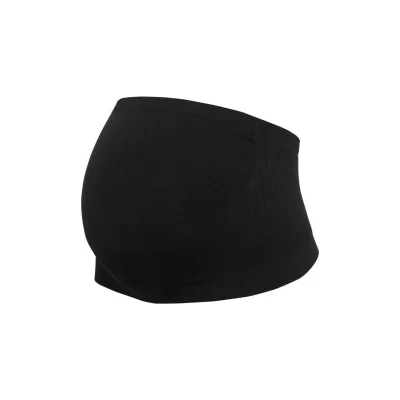

The Gear Question: What Actually Helps
You do not need a full pregnancy fitness wardrobe. But a couple of things can make a genuine difference to how comfortable you feel while moving.
A bump support band is one of those items you might dismiss as unnecessary until you try one. It sits under your bump and takes some of the weight, which reduces that pulling sensation in your lower back and pelvis. Especially useful from about 24 weeks onwards, and during walks or any standing exercise. 🙌
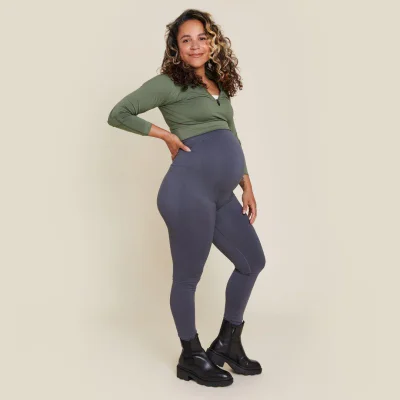
Maternity leggings with built-in bump support are another quiet game-changer. The stretchy panel over your bump keeps everything in place without digging in, and the support through the hips and pelvis makes longer walks and yoga sessions noticeably more comfortable. Look for ones with a high waistband that grows with you rather than rolling down.
Good trainers matter too. Your feet can swell and even grow half a size during pregnancy (yes, really), so check your shoes still fit properly. Cushioned soles and good arch support are worth prioritising.
A decent sports bra is essential. Your chest will change size, sometimes multiple times, and a supportive bra that accommodates growth without underwiring is worth seeking out. Many maternity bras double as nursing bras later, which is a clever two-for-one.
When to Stop (or at Least Pause)
For most healthy pregnancies, exercise is safe right up until labour. But there are situations where you should stop and speak to your midwife or GP:
- Vaginal bleeding or fluid leaking
- Chest pain or shortness of breath before you start exercising
- Persistent headache or dizziness
- Regular, painful contractions
- Calf pain or swelling
- Reduced baby movement
Some conditions mean exercise needs to be modified or avoided entirely, including placenta praevia, pre-eclampsia, cervical insufficiency, and certain types of twins pregnancies. Your midwife will flag these if they apply to you.
The key message is: listen to your body, not your ego. If something hurts, stop. If you feel dizzy, sit down. If today is a rest day, that is not failure, that is self-awareness.
The Mental Health Piece
We talk a lot about the physical benefits of pregnancy exercise, but honestly? The mental health boost might be the bigger win.
Pregnancy can be an anxious time. There is so much to think about, so much to prepare for, and your hormones are doing things that make your emotions feel like a rollercoaster with no seatbelt. Regular movement, even just a twenty-minute walk, releases endorphins that take the edge off anxiety and improve your mood.
It also gives you something that feels like yours. Pregnancy can sometimes make you feel like your body has been taken over by a small, demanding tenant. Exercise is a reminder that your body is powerful, capable, and doing something incredible.
And if all of that sounds too grand for a Wednesday afternoon walk around the park? That is fine too. You do not need to love exercise during pregnancy. You just need to know that moving your body, even a little, is one of the kindest things you can do for yourself and your baby.
A Quick Trimester Cheat Sheet
- First trimester: Keep doing what you were doing (minus contact sports and high-fall-risk activities). Walking and swimming are brilliant starters.
- Second trimester: Your golden window. Add swimming, prenatal yoga, and light strength work. Stop lying flat on your back from about 16 weeks.
- Third trimester: Focus on walking, swimming, pelvic floor work, and gentle stretching. Use support gear. Listen to your body more than ever.
- All trimesters: Stay hydrated, do not overheat, and stop if anything feels wrong. No guilt, no pressure, no comparison.
Your body is already doing the hardest workout of its life. Everything else is just a bonus.
If you are building your pregnancy wishlist, you can add any of the products mentioned here to your BubsNest registry and share it with friends and family who want to help you feel your best during these nine months.
Ready to Create Your Baby Registry?
Start your free baby registry today and share it with friends and family.
Get Started Free