Staying Active During Pregnancy: Safe Exercises for Every Trimester
Gentle moves that actually help with back pain, energy, and labour prep, trimester by trimester.
Somewhere around week 12, you might notice a strange urge. Not cravings (though those are coming), but the urge to do something physical. Maybe you used to run, or you were a regular at yoga, or you just liked a long walk that did not involve stopping to wee at every available toilet. And now you are pregnant and wondering: can I still do this? Should I?
The short answer is almost certainly yes. The longer answer involves a few sensible adjustments, listening to your body more than usual, and ignoring anyone who suggests that pregnancy means nine months on the sofa.
This is your guide to staying active during pregnancy, trimester by trimester, no CrossFit required.
Why Moving Matters (Even When You Really Do Not Want To)
Let us get the motivation bit out of the way, because on the days you feel like a human sofa cushion, it helps to remember why this is worth it.
Regular gentle exercise during pregnancy can help with back pain, improve your sleep (or at least make the four hours you get feel more restorative), boost your mood, and build the stamina you will genuinely need for labour. There is also decent evidence that staying active reduces the risk of gestational diabetes and pre-eclampsia.
But here is the part nobody shouts about: it does not have to be intense. A 20-minute walk counts. A few stretches on the living room floor counts. You are not training for anything except the marathon of parenthood, and that requires endurance, not speed.
The Golden Rules (All Three Trimesters)
Before we get into specifics, a few things that apply throughout:
- Talk to your midwife or GP first. Especially if you have any complications, a history of premature labour, or are carrying multiples. Most people will get the green light, but it is always worth checking.
- The talk test works. If you can hold a conversation while exercising, you are at the right intensity. If you are gasping, dial it back.
- Stay hydrated. You need more water than usual, and dehydration can trigger Braxton Hicks contractions. Keep a water bottle within arm's reach.
- Stop if something feels wrong. Dizziness, bleeding, sudden swelling, sharp pain, or feeling faint are all signs to stop immediately and speak to your midwife.
- Skip the lying-flat exercises after 16 weeks. From the second trimester onwards, avoid exercising flat on your back for extended periods, as the weight of your uterus can press on a major blood vessel.
First Trimester: Keeping Going (When You Can)
The first trimester is a strange time for exercise. You might feel completely fine, or you might feel so exhausted and nauseous that brushing your teeth counts as a workout. Both are normal.
If you were active before pregnancy, you can generally keep doing what you were doing, with a few tweaks. Dial the intensity down slightly, avoid contact sports or anything with a high fall risk, and swap hot yoga for regular-temperature classes.
If you were not particularly active before, this is not the time to start marathon training. But it is a brilliant time to build a gentle walking habit or try a beginner pregnancy yoga class. Starting small now gives you a foundation for the months ahead.
Best first-trimester moves
- Walking. The most underrated exercise in pregnancy. Aim for 20 to 30 minutes most days if you can manage it. No special kit needed, just shoes that still fit.
- Pelvic floor exercises. Start now, do them daily, do them forever. Squeeze and lift your pelvic floor muscles (imagine you are stopping a wee mid-flow), hold for 10 seconds, release slowly. Repeat 10 times. Then do 10 quick pulses. This will help with everything from continence to recovery after birth.
- Swimming. The water supports your body weight and takes pressure off your joints. Plus, it is one of the few exercises that still feels glorious in the third trimester.
Second Trimester: The Sweet Spot
If the first trimester was survival mode, the second trimester is often where energy returns and you suddenly feel like a functioning human again. This is when exercise can feel genuinely enjoyable rather than an act of grim determination.
Your bump is growing but probably not yet big enough to throw off your balance completely. Your joints are starting to loosen (thanks, relaxin), so it is worth being a bit more careful with anything high-impact.
Best second-trimester moves
- Prenatal yoga. This is where it really shines. Yoga builds strength, improves flexibility, and teaches the kind of controlled breathing that is genuinely useful during labour. Look for classes specifically designed for pregnancy, as the teacher will know which poses to modify. Cat-cow stretches are particularly good for back pain.
- Low-impact strength work. Squats, lunges, and gentle resistance band exercises can help your body cope with the increasing weight of your bump. Focus on your legs, glutes, and upper back.
- Aqua natal classes. If regular swimming feels too solo, aqua natal classes are brilliant. You get the benefits of water-based exercise plus the company of other pregnant people who understand why you need the toilet again already.
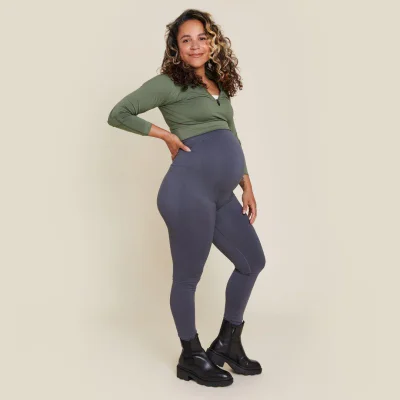

Good maternity activewear makes a genuine difference here. You want leggings that support your bump without digging in, stay put during downward dog, and do not slide down every time you bend over. Comfort is everything when you are trying to convince yourself to move.
Third Trimester: Gentle Does It
The third trimester is not about personal bests. It is about keeping mobile, managing aches, and preparing your body for birth. You will probably need to slow down, and that is completely fine.
Your centre of gravity has shifted, your ligaments are looser than ever, and your baby might be headbutting your bladder while you try to do pelvic tilts. Adapt everything and give yourself enormous credit for showing up at all.
Best third-trimester moves
- Birth ball exercises. Sitting on a birth ball (basically a big gym ball) and doing gentle circles with your hips is surprisingly effective. It helps with pelvic mobility, can ease back pain, and may even encourage your baby into a good position for birth. Bouncing gently while watching telly counts as exercise at this point.
- Gentle stretching. Hip openers, calf stretches, and upper back stretches can all relieve the tension that builds up as your bump grows. Side-lying stretches are your friend now that lying flat is off the menu.
- Walking (still). Even if your walks are shorter and slower now, they still count. Walking is one of the best things you can do in late pregnancy for both your body and your mind.
- Pelvic floor exercises (still). Yes, again. These become even more important as your pelvic floor takes on more weight. The good news is you can do them literally anywhere, at the bus stop, in a work meeting, while pretending to listen to someone talk about their own birth story.
Exercises to Avoid During Pregnancy
Most exercise is safe during pregnancy, but there are a few things worth steering clear of:
- Contact sports like rugby, martial arts, or anything where you might take a hit to the abdomen.
- High fall risk activities like horse riding, skiing, or rock climbing. Your balance changes significantly in pregnancy, and a fall carries more risk.
- Scuba diving. The pressure changes are not safe for your baby.
- Heavy lifting at maximum effort. Strength training is fine with lighter weights, but this is not the time to chase a deadlift PB.
- Exercising in extreme heat. Your body already runs warmer during pregnancy, so hot yoga, saunas, and outdoor exercise in a heatwave are best avoided.
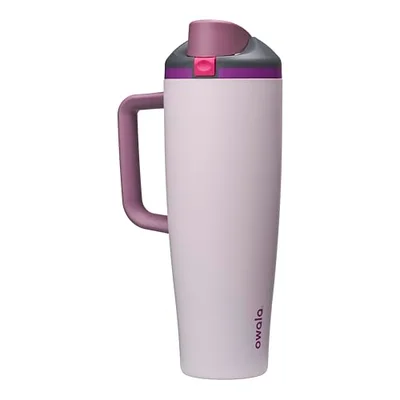

On the hydration front, a decent insulated water bottle that you actually enjoy drinking from makes a bigger difference than you would think. If it lives next to you during exercise (and, honestly, the rest of the day), you are far more likely to drink enough.
What About the Pelvic Floor? (A Section It Deserves)
We have mentioned it twice already, and we are going to mention it again, because pelvic floor exercises are genuinely the most important exercise you can do during pregnancy and nobody talks about them enough.
Your pelvic floor is a hammock of muscles that supports your bladder, uterus, and bowel. During pregnancy, it is carrying significantly more weight than usual. During birth, it stretches further than you would like to imagine. And after birth, it needs to recover from all of that.
Strong pelvic floor muscles can reduce the risk of incontinence during and after pregnancy, support your growing bump, and help with postnatal recovery. The exercises themselves take about two minutes and can be done anywhere.
If you are not sure whether you are doing them correctly (and plenty of people are not), ask your midwife. There are also excellent apps that can guide you through the exercises and send you daily reminders, which helps when pregnancy brain makes you forget what you walked into a room for.
When Motivation Disappears
There will be days, possibly weeks, when the idea of exercise makes you want to cry. First-trimester nausea, third-trimester exhaustion, the general heaviness of growing a human, these are all completely valid reasons to take it easy.
On those days, the goal is not a workout. The goal is movement. A short walk around the block. Some gentle stretches while the kettle boils. Five minutes of pelvic tilts on all fours. That is enough. It is always enough.
Pregnancy fitness is not about maintaining some pre-baby version of yourself. It is about giving your body the support it needs right now, in whatever form that takes. Some days that looks like a prenatal yoga class. Some days it looks like a slow waddle to the shop for biscuits. Both count. 🤰
Building Your Support Kit
You do not need much to stay active during pregnancy. Comfortable clothes that move with your bump, a water bottle you will actually use, and a good pair of trainers will cover most bases. If you enjoy yoga or stretching at home, a mat and a birth ball are worth the small investment.
The biggest thing? Permission to go at your own pace. Your body is already doing the hardest work of all. Everything else is a bonus.
If you are building your pregnancy or baby wishlist, do not forget to add the bits that look after you. Your comfort matters too. Start your BubsNest wishlist here and add everything from maternity leggings to that pregnancy pillow you have been eyeing up.
Ready to Create Your Baby Registry?
Start your free baby registry today and share it with friends and family.
Get Started Free