Teething: What Actually Helps (and What’s a Waste of Money)
Twenty teeth, two years of dribble, and a lot of conflicting advice. Here’s what genuinely soothes teething pain, what’s not worth buying, and when to call the doctor.
The average baby cuts twenty teeth by their third birthday. That is twenty separate rounds of swollen gums, disturbed sleep, and industrial-scale dribble. And the first one can appear as early as three months, which means teething can stretch across nearly two years of your life.
The frustrating part? Every baby handles it differently. Some sail through with barely a whimper. Others turn into tiny rage monsters who refuse food, reject sleep, and chew through anything within arm's reach, including you. There is no predicting which version you will get, and it can change from tooth to tooth.
Here is what we do know: a handful of things genuinely help, a handful are a complete waste of money, and the rest falls somewhere in the messy middle. This is the honest rundown. 🦷
The Signs (Because It Is Not Always Obvious)
Before you blame everything on teething for the next eighteen months, it helps to know what actually counts. The classic signs are red, swollen gums, more dribble than you thought a small human could produce, chewing on absolutely everything, and general crankiness that does not have another obvious cause.
Some babies also get flushed cheeks, a mild temperature (under 38°C), and looser nappies. A full-blown fever, vomiting, or a rash that does not disappear when you press a glass against it are NOT teething symptoms. Those need a call to your doctor, not another teething ring.
The timeline varies wildly. Most babies get their first tooth between four and seven months, but some do not see anything until after their first birthday. Bottom front teeth usually arrive first, followed by the top front pair. The molars, which come later, tend to be the ones that cause the most drama.
The Stuff That Actually Works
Let us start with the free stuff, because the best teething remedies do not come in packaging.
Cold things
Cold is your best friend during teething. A clean, damp muslin popped in the fridge for twenty minutes gives sore gums genuine relief. Chilled cucumber sticks work brilliantly for babies over six months who are already weaning. Cold teething rings are great too, but stick to the fridge, not the freezer. Frozen-solid rings can actually hurt tender gums.
For younger babies, a chilled fruit feeder is a clever workaround. Pop some frozen breastmilk or cold fruit inside, and they get the soothing cold plus something tasty. It is messy, but it works.


Pressure
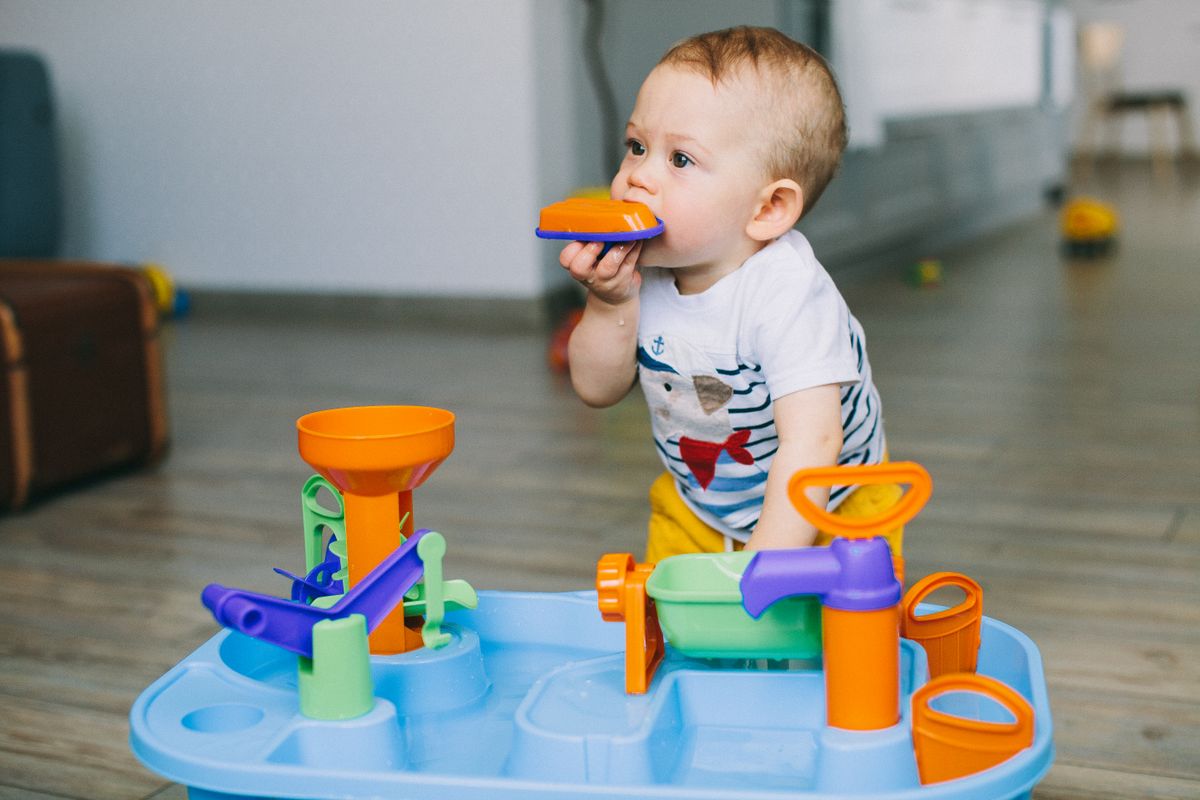
Babies instinctively know this one already, which is why they shove everything into their mouths. Gentle pressure on swollen gums counteracts the pressure building underneath from the emerging tooth. A clean finger rubbed firmly across the gum can work wonders when nothing else will.
Good teethers give them something safe to bite down on with proper force. Look for ones with different textures, ridges, and bumps, because what works for front teeth will not necessarily help when the molars arrive. Natural rubber teethers are brilliant because they are soft enough to be gentle but firm enough to provide real counter-pressure.

Distraction
Underrated but genuinely effective. A change of scenery, a walk outside, a bath, or just something new and interesting to look at can break the cycle of fussing. Teething pain tends to come in waves rather than being constant, so catching a break between waves is absolutely possible.
The Dribble Situation
Nobody warns you about the sheer volume of dribble. We are talking soaked tops, damp chests, and that slightly sour smell that follows a teething baby around like a personal cloud. You will go through more outfit changes than a pop star on tour.
Dribble bibs are not optional, they are survival gear. The best ones have a waterproof layer so the dampness does not soak through to their chest, and an absorbent front that handles the constant flow. Some clever designs combine a bib with a chewable corner, which means one less thing to carry in your bag. 🎒
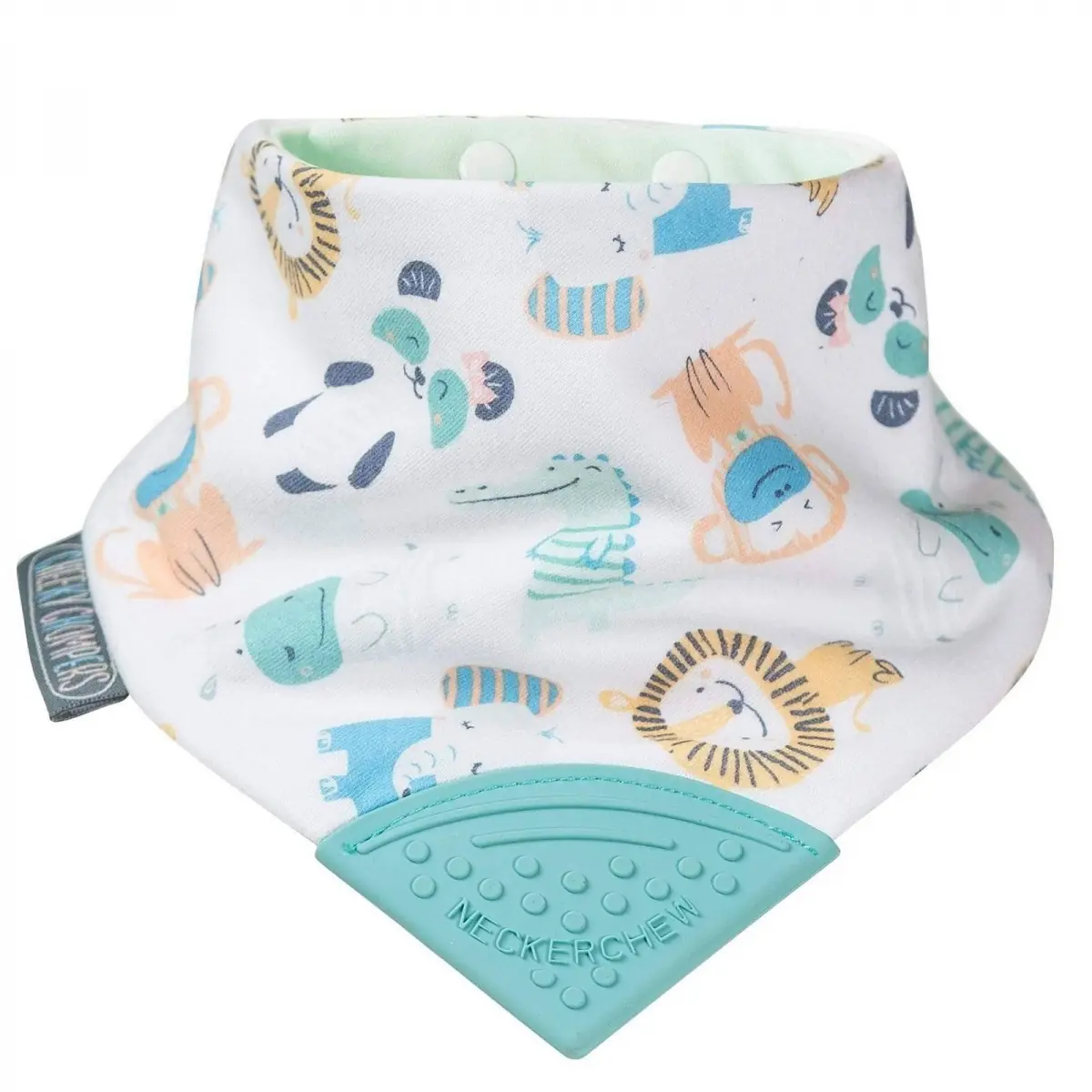

Keep a spare bib in every bag, the car, and the pushchair. You will need them all.
Picking a Teether (Without Buying Thirty)
Walk into any baby shop and you will find an entire wall of teethers in every shape, colour, and material imaginable. The temptation is to buy one of everything and see what sticks. Literally.
Here is what actually matters when choosing: texture variety is more important than how cute it looks. Babies need something to really gnaw on, not just mouth gently. Silicone teethers with multiple textures, bumps, and ridges tend to work across different teething stages because they hit different parts of the gum.

A few practical tips: get at least two of whatever they love, because one will always be in the wash or under the sofa. Teethers that attach to a clip or comforter are less likely to end up on the floor twelve times an hour. And if they reject something now, try it again in a few weeks. Different teeth respond to different textures.
What Is Not Worth Your Money
Time for some unpopular opinions.
Amber teething necklaces
The theory is that body heat releases succinic acid from the amber, which then gets absorbed through the skin and reduces inflammation. There is zero scientific evidence that this works. What there IS evidence for is the strangulation and choking risk. Multiple health authorities have warned against them. Hard pass.
Teething gels with lidocaine
These have fallen out of favour for good reason. They wash off almost instantly with saliva, so the numbing effect lasts about thirty seconds. Overuse can cause serious side effects in small babies. If you do want to use a topical product, look for sugar-free options specifically designed for infants and follow the dosage instructions carefully.
Expensive "cooling" teethers
Some teethers claim to stay cold longer thanks to special gel fillings. In practice, most babies chew through teething sessions faster than any gel can maintain its temperature. A basic silicone ring from the fridge does the same job for a fraction of the price.
When to Actually Worry
Teething is miserable but it is not dangerous. However, it is easy to blame teething for symptoms that deserve proper attention.
See your doctor if your baby has a temperature above 38°C, refuses fluids for more than a few hours, has persistent diarrhoea, develops a rash, or seems genuinely unwell rather than just grumpy. Teething can make them miserable, but it should not make them ill. Trust your instincts on this one. You know your baby better than any checklist.
The Light at the End of the Tunnel
Teething is a phase. A long, dribbly, noisy phase, but a phase nonetheless. Each tooth that breaks through is one fewer waiting in the wings. And somewhere around their third birthday, the whole ordeal wraps up and you will barely remember the worst nights.
In the meantime, keep the fridge stocked with cold muslins, accept that every surface will be slightly damp for a while, and remember that your baby is not giving you a hard time. They are having a hard time. You are doing brilliantly. 💛
Building your teething kit? Add your must-haves to your BubsNest wishlist so family and friends know exactly what to grab.
Ready to Create Your Baby Registry?
Start your free baby registry today and share it with friends and family.
Get Started Free