Two Homes, One Baby: Building a Wishlist for Shared Care
Co-parenting across two homes, or sharing care with grandparents? Here is what to double up on, what to carry back and forth, and how one shared wishlist keeps everyone in sync.
Two cots. Two changing stations. Two sets of bottles. And one very well-travelled bunny who has seen more of the A-road between both houses than anyone else in the family. 🐰
If your baby is going to spend time in two homes, whether that's co-parenting from separate addresses or a grandparent doing three days a week of childcare, the usual wishlist advice doesn't quite fit. Most checklists assume one nursery, one kitchen, one front door.
Yours needs a little more thought. The good news? It's very doable, and a bit of planning now saves a lot of "did you pack the..." texts later.
We've sorted everything into three simple piles: what to double up, what travels in the handover bag, and what can be shared on one wishlist both households can see.
Pile one: double up on these
The golden rule is simple. If it's bulky, fiddly to fold, or needed in the first ten minutes after arrival, it lives in both homes.
Nobody wants to wrestle a cot into a car boot every Friday. And a baby who arrives hungry does not care that the steriliser is at the other house.
A safe place to sleep
This is the big one. Each home needs its own safe sleep space with a firm, flat mattress that fits snugly, and nothing else in there. No bumpers, no pillows, no loose blankets.
For the "second" home, especially if space is tight or it's a grandparent's spare room, a cot that works both as a bedside crib and a travel cot is a clever buy. It can sit by the bed for the newborn weeks, then fold away when the room is needed for something else.


Whatever you choose, use the mattress made for that cot rather than adding extra padding on top. A snug, firm fit is what matters.
Feeding kit
Bottles, teats, a steriliser and a drying rack are much easier to double than to transport. If you're formula feeding, keep an unopened tin at each home too, and make sure both households are using the same brand and stage.
Breastfeeding and expressing? A small stash of milk storage bags and a couple of bottles at the other home means expressed milk can travel in a cool bag without anyone needing to remember the bottles as well.
Nappy basics
Nappies, wipes, barrier cream and nappy sacks are cheap enough to keep in both places. Running out at 7pm on a Sunday is a rite of passage nobody needs twice.
Bigger things like a high chair, a bath and a pushchair are worth doubling if the budget allows. If not, a travel high chair or a booster that straps onto a dining chair is a sensible halfway house for the second home.
Pile two: the handover bag
Some things should travel with your baby, because the whole point is that they're the same everywhere. Familiar sights, smells and routines are hugely comforting for little ones moving between homes.
Think of the handover bag as your baby's little suitcase of "normal." 💛
The sleep bag
Babies thrive on bedtime cues, and a sleep bag is one of the strongest. Zip into the same bag, in the same tog, at both houses and bedtime feels familiar wherever they are.
If you can, buy two of the same design so one can be in the wash while the other travels. Matching pairs mean no tears if the "wrong" one turns up.
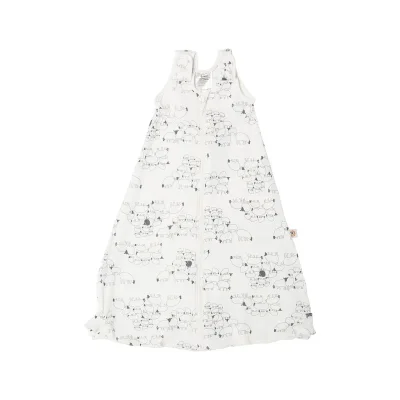
Check the room temperature at both homes too. Grandparents' houses are famously toasty, so the tog that's right at one house may be too warm at the other. A simple room thermometer in each nursery takes the guesswork out.
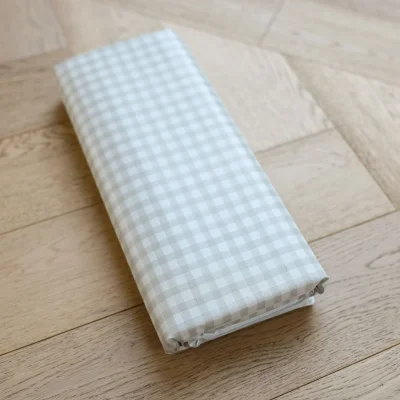
A compact changing mat
Handovers often happen in car parks, cafés or a relative's front room. A wipe-clean mat that folds into the bag means you're never hunting for a clean surface mid-journey.

The comfort item
For older babies and toddlers, a favourite comforter can be the bridge between two homes. Something soft that smells of "home," whichever home they've just come from.
One honest tip from parents who've been there: buy a spare of the exact same comforter as early as you can. Lost bunnies happen, and an identical backup is worth its weight in gold.
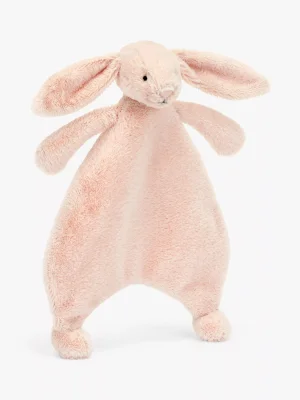

A quick safety note: soft toys and comforters shouldn't go in the cot with babies under 12 months. Until then, keep them for cuddles, car journeys and settling, and pop them out of the cot once baby is asleep.
The rest of the bag
- Any medicines, with a note of doses and times given
- The red book or a photo of the latest pages
- A couple of spare outfits
- Expressed milk in a cool bag, if relevant
- A short handover note (more on that below)
Pile three: one shared wishlist
Here's where things often go wobbly. Both households buy a steriliser. Nobody buys the stair gate. Or two sets of grandparents each pick up the same play mat while the 6-month sleep bag never materialises.
A single shared wishlist fixes this beautifully. Everyone, from parents to grandparents to the auntie who wants to help, can see exactly what's needed and what's already been bought.
How to set it up
- Split it by home. Add notes like "for Dad's flat" or "for Nana's on Tuesdays" so gifts land in the right place.
- Mark the doubles. If you need two of something, say so, so nobody assumes one is enough.
- Keep it growing. Add the next stage (weaning kit, stair gates, bigger sleep bags) a month or two ahead, so both homes upgrade together.
- Share the link with both sides. Gifts for the baby are gifts for the baby, whichever address they're delivered to.
You can build one in a few minutes over at BubsNest, then share the link with everyone who's helping out.
The handover note
Not a product, but possibly the most useful thing on this list. A quick note, or a shared phone note, at each handover covering:
- Last feed and roughly how much
- Last nap and how long
- Any medicine given, with times
- Anything new (a tooth on the way, a first roll, a sniffle)
It keeps routines consistent and stops either household feeling out of the loop. If anything health-related comes up, both carers should feel able to speak to the GP or health visitor directly.
A little reassurance to finish
Babies are wonderfully adaptable. With a safe place to sleep, familiar bedtime cues and grown-ups who love them at both ends of the journey, they settle into two homes far more easily than we expect.
You don't need everything doubled on day one. Start with sleep, feeding and nappies, keep the handover bag stocked, and let the shared wishlist do the remembering for you. 🏡
Ready to Create Your Baby Registry?
Start your free baby registry today and share it with friends and family.
Get Started Free