Baby Weaning: First Foods and What Nobody Tells You
Nobody warns you about the broccoli on the ceiling. A no-nonsense UK guide to weaning - when to start, what to feed first, and the gear that actually matters.
There was broccoli on the ceiling.
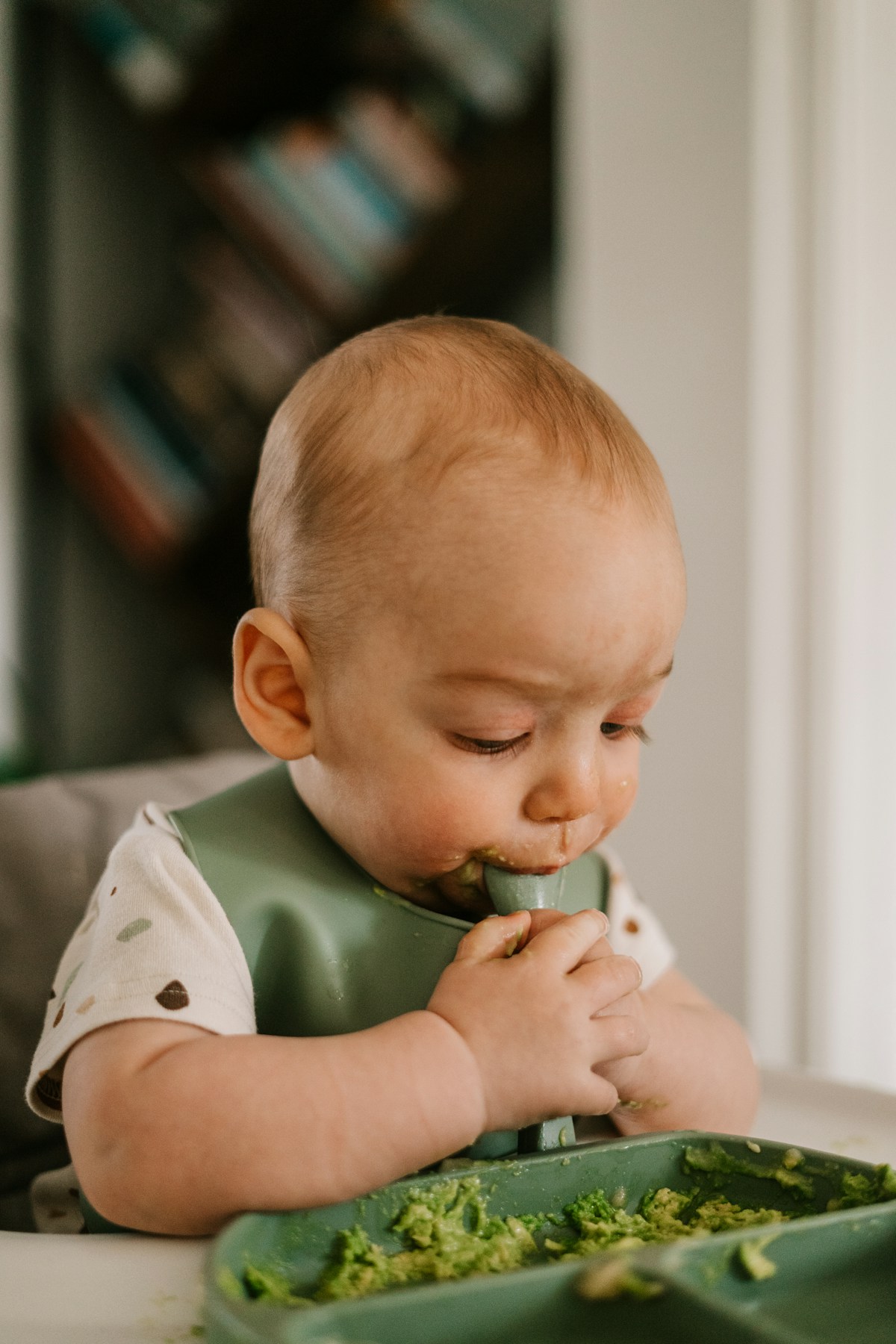
Not on the floor - I was prepared for that. On the ceiling. Somehow, at six months old, my daughter had the arm strength of a minor league pitcher and zero interest in actually eating the carefully steamed floret I'd spent twenty minutes preparing.
Welcome to weaning. The phase where you'll spend more time cleaning your kitchen than you ever thought possible, question whether your baby is actually consuming any food at all, and Google "is it normal for baby to gag on banana" at 2am. (It is. Mostly.)
But here's the thing - weaning doesn't have to be the overwhelming, anxiety-filled ordeal that parenting forums and Instagram make it out to be. You don't need a £200 baby food processor, a colour-coded meal plan, or seventeen silicone suction plates. You need some basic knowledge, a bit of patience, and a very good floor mat.
When to Actually Start Weaning
The NHS says around six months. Not "from four months" like your mother-in-law insists, and not "whenever they stare at your dinner" - because babies stare at everything, including the cat, the wall, and that suspicious stain on your jumper.
The actual signs your baby is ready:
- They can stay in a sitting position and hold their head steady
- They can coordinate their eyes, hands, and mouth - so they can look at food, pick it up, and get it to their mouth (largely) by themselves
- They can swallow food rather than pushing it back out with their tongue
All three. Not just one. Your baby watching you eat a biscuit is not a developmental milestone, no matter what Grandma says.
And before you panic about the "window" - there isn't one magic day. Any time around six months is fine. A few days either side won't make or break anything.
First Foods: What to Start With
Here's where it gets surprisingly simple. Despite what the baby food industry wants you to believe, you don't need special "Stage 1" pouches or organic quinoa puffs that cost £3 a bag.
Start with single vegetables. The NHS specifically recommends starting with veg - not fruit - because you want your baby to get used to savoury flavours before they discover the sweet stuff and refuse everything green for the next three years.
Good first foods:
- Steamed broccoli florets (the "tree" shape is perfect for little fists)
- Steamed carrot sticks - soft enough to squish between your fingers
- Mashed sweet potato
- Mashed avocado
- Cooked courgette sticks
- Well-cooked pasta shapes
- Banana (cut lengthways, not in coins)
One new food at a time. Leave a day or two between new introductions so you can spot any reactions. And yes, you should introduce common allergens - peanut butter (smooth, thinned with milk), well-cooked egg, wheat - early. The latest NHS guidance says introducing allergens from around six months actually reduces the risk of allergies developing. Don't avoid them.
BLW vs Spoon-Feeding: The Great Debate
The internet will try to convince you that you must choose a side. Baby-led weaning purists will tell you spoons are basically child abuse. Traditional weaning advocates will insist that letting a baby gnaw on a chip is reckless.
The reality? Most parents end up doing a bit of both. And that's completely fine.
Baby-led weaning (BLW) means giving your baby finger foods from the start and letting them feed themselves. It's messy, it's slow, and it's genuinely brilliant for developing motor skills and a healthy relationship with food. The downside? Your baby will eat approximately 10% of what you put in front of them for the first few weeks. The rest goes on the floor, in their hair, and yes, occasionally on the ceiling.
Spoon-feeding means you puree food and, well, spoon it in. It's faster, less messy, and you can see exactly how much they're eating. The downside? You're doing all the work, and at some point you'll need to transition to lumps anyway.
The combination approach - and this is what most UK parents actually do - is offering purees on a pre-loaded spoon alongside some finger foods. Baby gets the independence, you get the reassurance that something went in. Everyone wins.
Don't let anyone make you feel guilty about your approach. Fed is fed.
The Gear You Actually Need (and What's Marketing)
The weaning aisle in John Lewis will have you believing you need a complete kitchen refit. You don't.
What you genuinely need:
- A decent highchair - the IKEA Antilop (£20) is genuinely one of the best. Easy to clean, safe, does the job. Don't let anyone upsell you.
- Long-sleeved bibs - the kind that cover their entire torso. Regular bibs are pointless during weaning.
- A splash mat - for under the highchair. Your future self will thank you.
- Ice cube trays - for batch-cooking and freezing purees in perfect portions.
- A basic hand blender - you already own one, probably.
What you can skip:
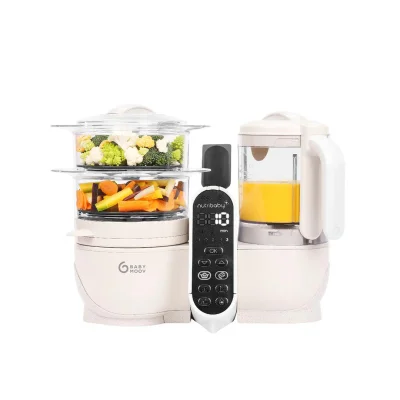
- Baby food makers (a steamer and a blender do the same thing)
- Fancy suction plates (they unstick within seconds - babies are surprisingly strong)
- Pre-made pouch warmers (squeeze it on a spoon, job done)
- Weaning recipe books with 200 recipes (you'll use about five)
Add the essentials to your BubsNest wishlist - weaning gear makes a brilliant practical gift that people actually want to buy.

The Gagging vs Choking Thing
This is the bit that terrifies every parent. So let's be clear.
Gagging is normal. It's a safety reflex. Your baby's gag reflex is much further forward on their tongue than yours, which means they gag on things well before there's any actual danger. It looks alarming. It sounds awful. But they'll sort themselves out.
Choking is silent. If your baby is making noise - coughing, spluttering, retching - they're gagging, not choking. Actual choking is quiet because the airway is blocked.
Take a baby first aid course. The Red Cross and St John Ambulance both run them, and many NHS trusts offer free sessions. It's the single most useful thing you can do before starting weaning. Not buying another silicone bib - learning what to do if something goes wrong.
Some foods to avoid before 12 months: whole nuts, whole grapes (cut lengthways into quarters), honey, added salt, added sugar, and anything that could form a solid plug in their airway.
The Batch-Cook Cheat Sheet
Sunday afternoon. Forty-five minutes. A week's worth of food sorted.
- Steam 4-5 different vegetables
- Puree each one separately
- Pour into ice cube trays and freeze
- Pop out frozen cubes into labelled freezer bags
- Each morning, grab 2-3 cubes, defrost, done
As your baby progresses, you'll move from smooth purees to mashed food to chopped food. By about 9-10 months, they can eat most of what you're eating - just without the salt. Which, honestly, is a good excuse to eat better yourself.
The Bottom Line
Weaning is messy, occasionally stressful, and one of those parenting milestones that feels much bigger before you actually do it. Your baby will eat when they're ready. They'll refuse things they loved yesterday. They'll develop a passionate hatred for something inexplicable, like cucumber. And one day, without warning, they'll eat an entire bowl of pasta and you'll feel like you've won the lottery.
Start simple. Don't overthink it. And invest in a good splash mat.
You've got this. Your kitchen ceiling might not - but you do.
Ready to Create Your Baby Registry?
Start your free baby registry today and share it with friends and family.
Get Started Free