Teething: Signs, Soothers, and What Actually Helps
Teething gets blamed for absolutely everything. Here is what is really going on, which teethers actually work, what to skip, and how to survive the night wakings.
Every rash, runny nose, and unexplained grumpy afternoon between the ages of three months and two years gets the same confident diagnosis from whoever happens to be nearby. "Must be teething."
Teething gets blamed for everything. Woke up crying at an odd hour? Teething. Pulled at their ear? Teething. Refused lunch, screamed at the dog, and produced a nappy that defied the laws of physics? Definitely teething.
The truth is, teething is real, it can be uncomfortable, and there are things that genuinely help. But separating the facts from the folklore saves you a lot of unnecessary worry and a surprising amount of money. Here is what is actually going on, and what actually makes a difference. 🦷
What Is Actually Happening In There
Your baby is born with a full set of twenty teeth already sitting underneath their gums. Starting from around four to seven months, those teeth begin pushing through the gum tissue one by one. The front bottom two usually arrive first, followed by the top two, then it works outward from there.
Most babies have all twenty milk teeth by the time they turn two and a half. That is roughly two years of on-and-off teething, which is why it feels like it never actually stops. Some babies breeze through with barely a whimper. Others have a rougher time. There is no way to predict which camp yours will fall into.
The Real Signs (And The Ones That Are Not)
Genuine teething signs are usually mild and local to the mouth area. Here is what to look for:
- More drool than seems physically possible. Bibs become a full-time accessory.
- Chewing on everything. Fingers, toys, your shoulder, the side of the cot. If it exists, it is going in their mouth.
- Red or swollen gums. You might even see a whitish bump where the tooth is about to break through.
- Mild fussiness or clinginess. They are uncomfortable, not unwell. Think grumpy, not ill.
- Slightly disrupted sleep. More on this one in a moment.
Here is what teething does NOT cause: high fever, diarrhoea, vomiting, or a full body rash. These are common myths, and they matter because blaming them on teething can delay you getting actual medical help. If your baby has a temperature above 38°C or seems genuinely unwell, that is not teething. That is something else, and worth a call to your doctor or healthcare provider.
Teethers That Actually Earn Their Place
Babies need to chew when they are teething. It is instinctive, and it works. The counter-pressure of biting down on something firm helps relieve the ache in their gums. The trick is finding teethers that are safe, easy for small hands to grip, and interesting enough that your baby actually wants to use them.
Silicone teething rings are brilliant because they are soft enough to be gentle on sore gums but firm enough to provide real relief. Look for ones with different textures, as the ridges and bumps do more work than a smooth surface.
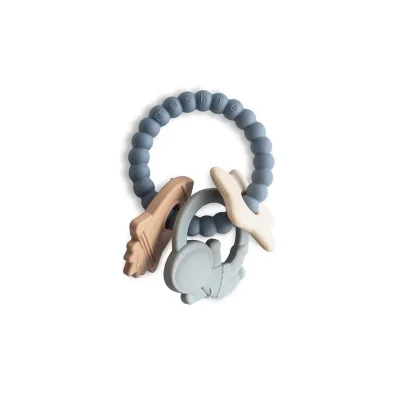

For something with a bit more personality, character-shaped teethers are great. Babies can grab an arm or a leg and gnaw away, and the different shapes mean different parts of the gums get attention.
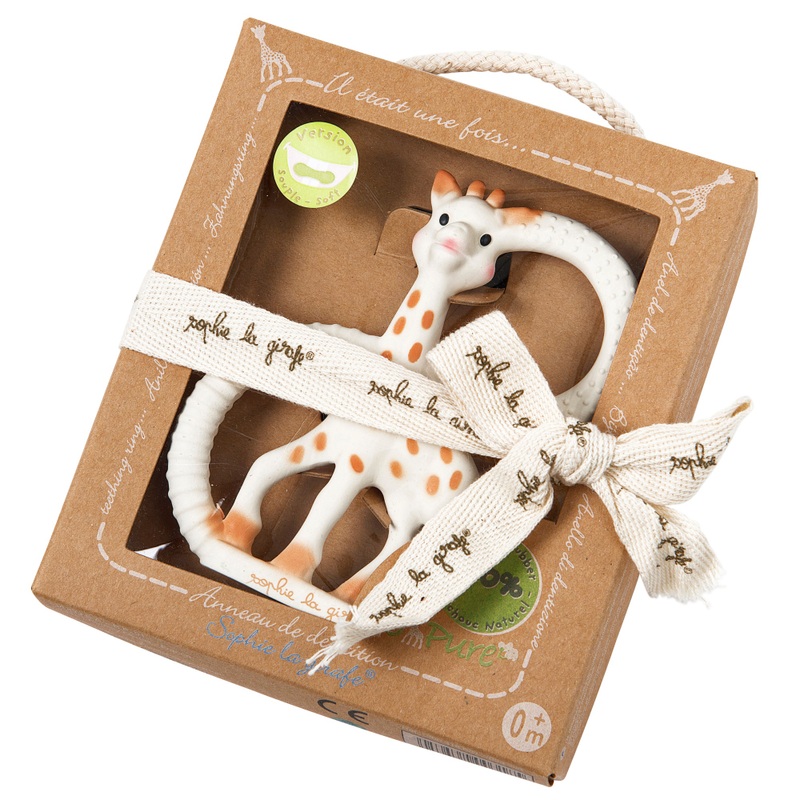
Natural rubber teethers are another excellent option. They have a slightly different feel to silicone, a bit firmer with a satisfying give, and some babies strongly prefer them. Sophie la Girafe became a classic for a reason.

Cooling teethers are worth having in the rotation too. Pop them in the fridge (never the freezer, as frozen teethers are too hard and can actually hurt) and the cool surface provides extra soothing on really angry gums.
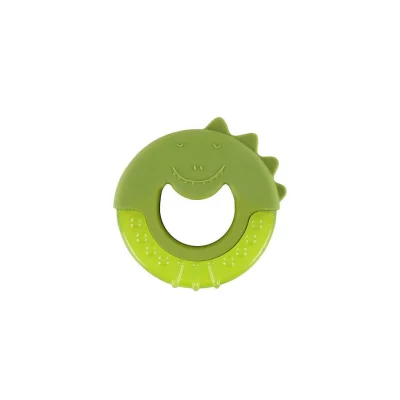
And for babies who like to grab and explore, a grip-and-chew toy covers both sensory play and teething relief in one. Two birds, one very drooly stone. 😊
Other Things That Genuinely Help
Beyond teethers, a few simple tricks can make a real difference on bad teething days.
A cold, damp flannel. Wet a clean muslin or flannel, twist it into a stick shape, and pop it in the fridge for twenty minutes. Babies love gnawing on these, and the cold soothes their gums beautifully. Free, effective, and you can make another one in thirty seconds.
Chilled fruit in a mesh feeder. If your baby is on solids, frozen banana or cold cucumber in a mesh feeder lets them chomp and get cold relief at the same time. Messier than a teether, but they will not care one bit.
Gum massage. Wash your hands and gently rub your baby's gums with a clean finger. The pressure genuinely helps, and the closeness is comforting when they are feeling miserable.
Pain relief when needed. Infant paracetamol or ibuprofen (from six months, with food) is perfectly fine for bad teething days. Follow the dosage guidance on the packet and do not feel guilty about using it. If your baby is in pain, helping them feel better is exactly the right thing to do.
What You Can Safely Skip
The teething market is full of products with big promises and not much evidence. A few things to leave on the shelf:
Amber teething necklaces. There is no scientific evidence that amber releases anything through the skin that relieves pain. More importantly, necklaces on babies are a strangulation and choking risk. Not worth it, however pretty they look.
Teething gels containing lidocaine or benzocaine. These numb the gums temporarily but wash away with saliva almost instantly. Health authorities in several countries have raised safety concerns about their use in young children. A cold teether does the same job without the worry.
Homeopathic teething tablets. These have been subject to safety recalls and have no robust evidence behind them. Save your money for something that actually works.
The Night Waking Situation
Here is the part that catches most parents off guard. Teething often hits hardest at night, when there are fewer distractions and your baby is lying down with increased blood flow to their gums. A baby who was sleeping beautifully might suddenly start waking multiple times again.
This is temporary. It is not a sign that their sleep is "broken" or that you need to retrain anything. Comfort them, offer a teether or some pain relief if they seem sore, and know that once the tooth breaks through, sleep usually settles back down within a few days.
The trickiest bit is that teeth come through one at a time over roughly two years, so these disruptions come in waves. Having a few trusty teethers within easy reach means you can respond quickly and everyone gets back to sleep faster.
You Will Get Through This
Teething is one of those parenting chapters that sounds minor until you are living it at 2am with a screaming baby and a gum that just will not cooperate. A good rotation of teethers, a damp flannel in the fridge, and some infant pain relief for the worst days will get you through it. Add your favourites to your BubsNest registry so they are ready and waiting before the drool tsunami arrives. You have absolutely got this. 🧡
Ready to Create Your Baby Registry?
Start your free baby registry today and share it with friends and family.
Get Started Free