Your Baby's First Cup: When to Ditch the Bottle and How to Make It Stick
From sippy to straw to open cup, here is what actually works when it is time to move on from the bottle, plus what to ignore.
Here is a fun fact to kick things off: dentists actually recommend introducing a cup from around six months. Six months. As in, while your baby is still figuring out how a spoon works and wearing more food than they eat, the experts would like them to start sipping from a cup. No pressure or anything. 🥤
The truth is, there is no single "right" moment to make the switch, and there is definitely no single "right" cup either. Every baby has their own timeline and their own strong opinions about what they will and will not drink from. Some take to a straw cup like they have been waiting for it their whole life. Others act as though you have personally betrayed them by removing the bottle.
This guide is for anyone staring at a wall of cups in a baby shop wondering what on earth the difference is, and for anyone whose toddler just launched their sippy cup across the kitchen for the fourth time today. You are in good company.
Why the Switch Matters (But Not in a Scary Way)
Bottles are brilliant. They have done their job. But somewhere between six and twelve months, it is worth starting the gradual shift toward cups. Not because bottles are evil, but because prolonged bottle use can affect how teeth come in and how the jaw develops. Sucking on a bottle teat for months beyond when it is needed can lead to dental issues down the line.
There is also a practical side. Cups encourage different mouth muscles, which actually helps with speech development. And using a cup at mealtimes helps your baby connect drinking with eating, which is a surprisingly useful life skill.
The key word here is gradual. Nobody is suggesting you bin every bottle overnight. That way lies chaos and a lot of tears, mostly yours.
The Cup Line-Up: What Is What
Walk into any baby aisle and you will find approximately four hundred different cups, all claiming to be the best. Here is what they actually are and when each one makes sense.
Sippy cups (the classic)
The one with the hard spout and a valve that stops leaks. Sippy cups are familiar, mess-free, and your sofa will thank you for them. They are a solid stepping stone for babies around six months who are just learning the "tip and sip" motion. The downside? The sucking action is quite similar to a bottle, so they are best used as a transition rather than a long-term solution.


Straw cups (the speech therapist's favourite)
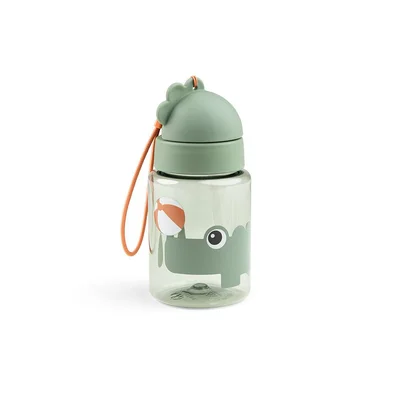
Straw cups get a lot of love from health visitors and speech therapists because they build different oral muscles than bottles do. The sucking motion required for a straw is actually closer to what your baby needs for speech sounds later on. Most babies can manage a straw cup from around eight to nine months, though some get the hang of it earlier.
Top tip: if your baby cannot figure out the straw, try dipping it into their drink, placing your finger over the top to trap liquid, and then releasing it into their mouth. Once they connect "suck on this, get drink," they usually crack it within a few attempts.
Open cups (the end goal)
An open cup is where you are heading eventually. It sounds terrifying, and yes, there will be spills. So many spills. But open cups are the gold standard because they teach proper sipping, help with lip closure, and there are zero valves to lose behind the sofa.
Start with a tiny cup (shot glass size, genuinely) and only put a small amount of water in it. Let your baby hold it with both hands. Accept that the floor will get wet. Consider it character building for everyone involved.
360 cups (the clever middle ground)
These are the ones with a silicone rim that your baby can drink from anywhere around the edge. They are leak-proof when not being actively sipped and they mimic an open cup without the waterfall effect. They are brilliant for on the go, though some children find the seal difficult to break at first. If your baby seems frustrated, try removing the valve temporarily so they can feel the liquid coming through more easily.
The Timeline Nobody Should Stress About
Because every "when should my baby..." search leads to seventeen conflicting answers, here is a rough guide. Emphasis on rough. Your baby has not read this article and does not care about timelines.
- 6 months: Start offering sips of water in a sippy or open cup at mealtimes. Mostly for practice, not hydration. Most of it will dribble down their chin. This is normal and fine.
- 8-9 months: Try a straw cup. Some babies pick it up immediately, others need the dipping trick mentioned above.
- 12 months: Aim to start reducing bottles, especially during the day. Swap one feed at a time for a cup. Milk in a cup at mealtimes is a great starting point.
- 18 months: Most health professionals suggest bottles should be phased out by now. But if you are not there yet, you are not failing. It is a goal, not a deadline.
Making It Fun (Because Bribery Is Underrated)
Toddlers are far more likely to drink from a cup that they think is brilliant. A cup shaped like their favourite animal? Sold. A cup in their favourite colour that they picked out themselves? Even better. Letting your child choose their own cup turns a chore into something they actually want to do. 🦒
Other tricks that work surprisingly well:
- Let them see you drinking from a cup. Toddlers are copycats and they want whatever you have.
- Offer the cup at every meal without making a big deal about it. Low pressure is everything.
- Try different temperatures. Some babies refuse cold water but will happily drink it at room temperature, or vice versa.
- If they refuse milk from a cup, try offering it in a different room to where you usually give bottles. A change of scenery can reset their expectations.
The Bedtime Bottle: The Last One Standing
The daytime bottles are usually the easiest to drop. The bedtime bottle? That is the boss level. It is wrapped up in comfort, routine, and the entire winding-down process your baby associates with sleep.
Here is what helps. Move the bottle earlier in the routine so it is less connected to falling asleep. Instead of bottle, then bed, try bottle, then teeth, then story, then bed. Gradually reduce the amount of milk in the bottle over a week or two. Replace it with a cup of milk as part of supper, and add extra cuddles and stories in its place.
Some families go cold turkey and it works within a few nights. Others do a slow fade over weeks. Neither approach is wrong. You know your child better than any article on the internet, including this one.
What If They Flat-Out Refuse?
Some babies take one look at a cup and act as though you are offering them a raw onion. This does not mean they will never use a cup. It means they are not interested today.
Things to try:
- Switch the cup. What works for one baby is completely wrong for another. If the sippy is a no-go, try a straw. If the straw fails, try an open cup. Sometimes the fourth cup you try is the one that clicks.
- Add it to the toy rotation. Let them play with an empty cup in the bath or during play. Familiarity breeds acceptance.
- Do not force it. Turning it into a battle makes everyone miserable and achieves nothing. Step back, leave it a week, and try again.
- Check the flow. If the valve is too stiff, your baby might be trying and failing to get any liquid. Remove the valve temporarily or try a free-flow cup.
The Bits Nobody Mentions
Cups have lids that go mouldy. Check the silicone valves regularly and replace them when they start to look suspicious. Those black spots are not a design feature.
Your baby does not need juice. Water and milk are all they need from a cup. If you do offer diluted juice, keep it to mealtimes and use an open cup rather than a sippy, as the constant sipping from a valve is harder on teeth.
Night feeds in a bottle after teeth have come through can cause decay because the milk sits around the teeth while your baby sleeps. This is actually one of the bigger reasons dentists recommend phasing out bottles sooner rather than later.
And finally: your baby will probably drop their cup several hundred times. This is not a phase. This is just what cups do now. Invest in ones that bounce. 😅
You Will Get There
The bottle-to-cup transition is one of those parenting milestones that feels enormous while you are in it and completely unremarkable once it is behind you. A year from now, your child will be confidently drinking from a cup and you will barely remember the phase where they threw every sippy across the room.
Take it at your baby's pace, try not to compare timelines with anyone else's child, and remember that every baby gets there eventually. Even the ones who currently think their cup is a hat.
Need to set up your little one's wishlist? Build your BubsNest registry and add cups, weaning gear, and everything else in one spot.
Ready to Create Your Baby Registry?
Start your free baby registry today and share it with friends and family.
Get Started Free