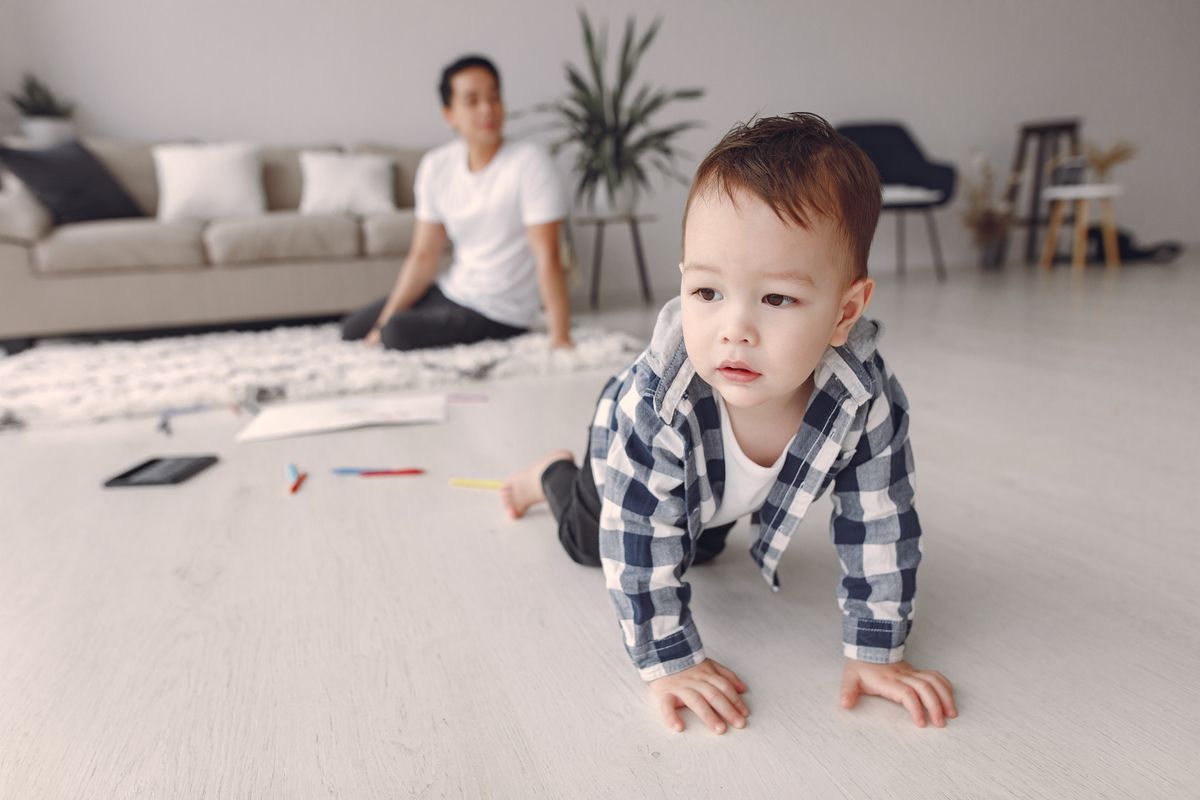
Your Baby’s First Swim: What to Pack, What to Expect, and Why You’ll Both Love It
Everything you need to know about your baby’s first swim, from what to pack to how long to stay in the water. Plus the one myth that stops parents from going sooner.
You do not have to wait until your baby has finished their vaccinations to go swimming. That is genuinely one of the most persistent myths in parenting, and it stops so many families from discovering something wonderful earlier than they need to.
Babies can go in the pool from birth. Yes, really. The water just needs to be warm enough (more on that in a moment), and you need a swim nappy that actually does its job. Beyond that, you are good to go. 🏊
The first swim is one of those milestone moments that catches you off guard. Not because it is dramatic, but because watching your tiny human float about in warm water, eyes wide, gripping your fingers, is quietly one of the loveliest things you will do together in those early months.
Here is everything you actually need to know.
When Can You Start?
Technically, from day one. Most parents feel more comfortable waiting until around six weeks, partly because recovering from birth and managing feeds takes priority, and partly because newborns feel very small and slippery when wet. Both are fair reasons.
The key thing is water temperature. For babies under six months, you want water that is at least 32°C. Most public pools sit around 28-30°C, which is fine for older babies but a bit chilly for tiny ones. Baby swimming classes and hydrotherapy pools tend to run warmer, around 32-34°C, which is why they are the best starting point.
If your baby was premature or has any health conditions, check with your GP or paediatrician first. Otherwise, whenever you both feel ready is the right time.
What to Pack (the Realistic Version)
The internet will tell you that you need seventeen items in your swim bag. You do not. Here is what actually matters.
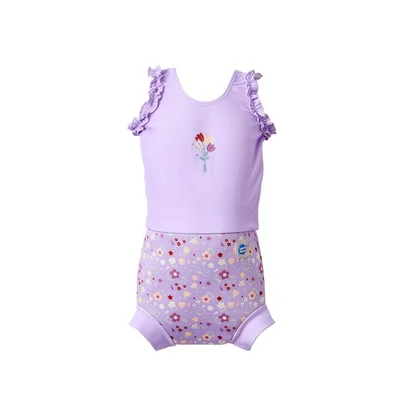
A proper swim nappy. This is non-negotiable. Every pool will require one, and the disposable ones from supermarkets work in a pinch, but a reusable swim nappy is cheaper per swim, more comfortable, and does a better job of containing any surprises. Look for a snug fit around the legs and waist.
A warm towel. Babies lose heat quickly, and the gap between getting out of the pool and getting dressed is when they feel it most. A hooded towel is ideal because you can wrap their whole body and head in one go. Get it ready on the bench before you even get in the water.
A spare set of clothes including a vest, babygrow, socks, and a hat if it is cooler outside. Nappy cream if your baby is prone to rashes. A feed (breast, bottle, or snack depending on age), because swimming makes babies hungry. And a plastic bag for the wet stuff.
That is genuinely it. You do not need special baby goggles, water wings for a four-month-old, or an inflatable unicorn. Promise.
If You Are Swimming Outdoors
Summer means paddling pools in the garden, lido trips, and the occasional brave beach outing. Outdoor swimming adds one extra consideration: sun protection.
Babies under six months should be kept out of direct sunlight entirely, so stick to shaded spots. For older babies, a high-factor baby sunscreen (SPF 50), a sun hat that stays on, and decent sunglasses make a real difference. Yes, baby sunglasses are a thing, and they are not just adorable. Little eyes are much more sensitive to UV than adult ones.
A quick-dry towel is also a godsend for outdoor swimming. Regular terry towels stay damp for hours and take up half your changing bag. A microfibre one dries fast, packs small, and shakes the sand off.
What Actually Happens in the Water
If you have never taken a baby swimming before, here is what to expect: it will either go brilliantly or it will last four minutes. Both are completely normal.
Some babies take to water like they have been waiting for it their whole (short) lives. Others scream the moment their toes touch the surface. Neither response predicts whether your child will love swimming long-term. The screamers often become the biggest water babies after a few sessions.
Hold your baby close to your body, facing you. Keep your shoulders in the water so they feel your warmth. Talk to them, sing to them, bounce gently. Let them feel the water on their hands and kick their legs. That is a successful first swim. You do not need to submerge them, teach them to float, or do anything Instagram-worthy.
For babies under three months, keep sessions to around ten minutes. Over three months, you can build up to twenty or thirty minutes depending on the water temperature and how your baby is responding. The moment they start to look unhappy, shiver, or get that glazed, tired stare, it is time to get out.
Baby Swimming Classes: Worth It?
In a word, yes. Not because your baby needs a qualified instructor to splash about, but because the warm pools, structured songs, and gentle activities give both of you confidence in the water. Many local baby swimming programmes run sessions from around six weeks and are designed specifically for the wobbly-parent, tiny-baby combination.
They are not cheap, typically around £12-15 per session for a term block. But many parents say swimming classes were the single best baby activity they did. The one-on-one time in the water, the sensory experience, and the post-swim nap (oh, the post-swim nap) make it worth every penny.
If classes are not in the budget, public pool parent-and-baby sessions are usually a couple of pounds and give you the same water time. The pool will be slightly cooler, but perfectly fine for babies over three months.
The Post-Swim Routine
Getting a wet, slippery baby dressed in a changing room while someone else's toddler runs past naked is a rite of passage. Here is how to make it less chaotic.
- Lay everything out before you get in the pool. Towel open, nappy ready, clothes in order.
- Wrap baby in the hooded towel the second you get out. Dry them on your lap, not on the changing table (warmer and they feel more secure).
- Fresh nappy on first, then clothes. Do not bother rinsing the chlorine off until you get home. A quick bath later is fine.
- Feed immediately. Swimming burns energy and they will be starving.
- Expect the best nap of their entire life. You are welcome. 😴
One Last Thing
Swimming with your baby is not about raising an Olympic athlete or ticking off a milestone. It is one of those rare activities where you are both completely present, skin to skin, in warm water, with nothing to do except hold each other and play.
Pack the bag, find a warm pool, and give it a go. The worst that happens is you get a bit wet and go home early. The best that happens is you discover a new favourite thing to do together.
Ready to build your swim kit? Add everything to your BubsNest registry so you are pool-ready whenever the mood strikes.
Ready to Create Your Baby Registry?
Start your free baby registry today and share it with friends and family.
Get Started Free