Handing Over the Spoon: Helping Your Toddler Feed Themselves
From squished fingers to proper little cutlery, a stage-by-stage guide to toddler self-feeding, plus the kit that keeps the mess (mostly) on the plate.
Myth: once your toddler can feed themselves, mealtimes get tidier.
Oh, sweet friend. For a good while, they get messier. Much messier. Yoghurt in the eyebrows, peas in the nappy, a single noodle somehow stuck to the window.
But here's the bit worth hanging on to. Every splat is practice. Your little one is learning hand-eye coordination, grip strength and the very grown-up skill of deciding when they're full. The spoon handover is one of those slow, sticky milestones that quietly pays off for years.
So let's walk through it stage by stage, with realistic expectations for each and the few bits of kit that genuinely make life easier.
Around 12 months: fingers are the first cutlery
At this age, hands are the main event. Most one-year-olds are getting good at the pincer grip, picking up small soft bits between thumb and finger, and they will want to do it themselves. Loudly.
Let them. Finger foods are where self-feeding really starts, and a spoon is just a slightly fancier version of the same idea.
- Offer soft finger foods they can squish between their fingers, cut into sizes your little one can manage
- Pop a pre-loaded spoon on the tray for them to grab and steer (it will miss, that's fine)
- Always keep them sitting upright and stay with them while they eat
The single most useful thing at this stage? A plate that stays put. Toddlers love to test gravity, and a plate flipped onto the floor is a game they will happily play every single meal.


Divided sections are handy too. Some toddlers get properly offended when the pasta touches the broccoli, and honestly, who are we to judge?
12 to 15 months: the spoon arrives (and goes everywhere)
Somewhere around now, many toddlers start grabbing for the spoon you're holding. That's your cue to hand it over and get a second one for yourself. Two spoons is the oldest trick in the book: they practise with theirs, you sneak in a few mouthfuls with yours.
Thick, sticky foods are your best friend here. Porridge, mashed potato, thick yoghurt and risotto cling to a spoon far better than soup ever will. Save the runny stuff for when they're a bit more confident.
Expect lots of upside-down spoons, a fair bit of licking the handle, and the occasional triumphant mouthful followed by a round of applause (from you, mostly). 👏
This is also the stage where the bib question becomes urgent. Little pelican bibs are brilliant for catching food, but a determined spoon-waver will paint their sleeves and arms. A long-sleeved coverall bib that tucks over the highchair tray saves a full outfit change at most meals.
15 to 18 months: forks, stabbing and the stain stage
Forks are wonderful for this age because stabbing is SO satisfying. Cubes of soft cooked veg, bits of pasta, chunks of banana, all perfect for spearing. Many toddlers find a fork easier than a spoon at first, because the food doesn't fall off on the way up.
A few things that help:
- Use short, chunky handles that fit small fists
- Serve food in pieces that are easy to spear but soft enough to squash between your fingers
- Keep portions small and offer more, rather than piling the plate (less to fling)
- Let them have a go at an open cup with a little water at mealtimes, even if most of it ends up on the tray
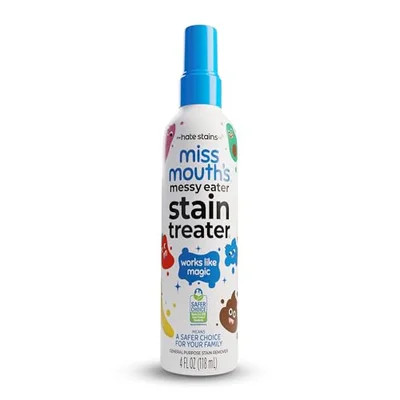
Fair warning: this is peak stain season. Tomato sauce, blueberries, carrot purée and beetroot are all heading straight for clothes you actually like. Rather than banning the colourful foods (please don't, they're the good stuff), keep a stain spray by the washing basket and hit marks before they set.
A wipe-clean mat or an old shower curtain under the highchair is also a cheap win. Shake it out over the bin, give it a wipe, done.
18 months to 2 years: proper little cutlery
By now, lots of toddlers are getting more food in than out, at least on a good day. They might be scooping with real intent, turning their wrist to keep the spoon level, and stabbing with surprising accuracy.
This is a lovely time to graduate to cutlery that looks a bit more grown-up. Toddlers adore copying, and a set that resembles yours (just smaller and safer) can make them much keener to use it.
Try eating together whenever you can. Even if you're only having a slice of toast while they have their tea, sitting at the same table shows them how it's done far better than any instructions. They're watching your every move, crumbs and all.
A quick reality check: plenty of two-year-olds still swap between cutlery and fingers mid-meal. That's completely normal. Skills come and go depending on tiredness, hunger and whether there's a dog under the table to impress.
2 years and beyond: table manners, sort of
From two onwards, the focus gently shifts from "can they get it in?" to "can we have a nice meal together?". Most toddlers can now feed themselves most of a meal, and you can start nudging the social bits:
- Staying sat down until they're finished
- Saying "all done" instead of launching the plate
- Helping with tiny jobs, like carrying their cup or wiping the table
- Trying a blunt toddler knife to spread butter or cut something very soft
It won't be perfect. It's not meant to be. Even big kids drop things, and you probably still spill tea on yourself now and then. ☕
A few things to keep in mind at every stage
Whatever stage you're at, keep your little one sat upright and supervised while eating, and steer clear of whole grapes, whole nuts and other hard, round foods that are a choking risk. If you're ever worried about how your child is eating, chewing or swallowing, or about their weight, have a chat with your GP or health visitor. They're there for exactly this.
And try not to measure success by how clean the floor is. A toddler who's covered in dinner and grinning is a toddler who's learning.
Building a list for an upcoming first birthday or Christmas? Plates, bibs and cutlery make brilliant small gifts for friends and family to pick up. Pop them on your BubsNest registry so everyone knows exactly what's useful. 💛
Ready to Create Your Baby Registry?
Start your free baby registry today and share it with friends and family.
Get Started Free