Your Postpartum Recovery: The Stuff That’s Actually for You
Everyone plans for the baby. Here’s how to plan for your own recovery after birth, from perineal care to feeding comfort to actually sleeping.
You have spent months getting the nursery ready. You have researched pushchairs, compared car seats, washed tiny sleepsuits in special detergent. You have a changing bag packed and a Moses basket assembled. But here is a question worth sitting with for a moment: what have you actually prepared for your own recovery?
Because here is the thing about having a baby. Your body does something genuinely extraordinary to bring that little person into the world, and then everyone immediately focuses on the baby. Which makes sense, obviously. But somewhere between the first feed and the fifth nappy change, you are still a person who just went through one of the most physically demanding experiences of your life. And you deserve a plan too. 💜
Why Your Recovery Deserves Its Own List
Antenatal classes are brilliant at covering labour positions, breathing techniques, and the basics of newborn care. What they are less brilliant at is telling you what happens to your body afterwards. The bleeding (which can last weeks, not days). The aching. The sweating. The hormonal rollercoaster that makes you cry at an advert for cat food.
The first six weeks after birth are officially called the "fourth trimester" for a reason. Your body is healing from either a vaginal delivery or major abdominal surgery, your hormones are recalibrating, and you are simultaneously learning how to keep a tiny human alive on very little sleep. That is a lot. Having the right stuff to hand makes a genuine difference.
The Physical Recovery Basics
Let us start with the unsexy stuff, because it matters most. After a vaginal birth, you will bleed. Quite a lot, actually. Maternity pads are non-negotiable for the first couple of weeks, and you want the thick, proper ones, not your usual brand. Your midwife will check your bleeding at each visit, so do not be embarrassed about it. This is completely normal.
You will also want comfortable, high-waisted underwear that you do not mind throwing away. This is not the time for your nice knickers. Big, soft, breathable pants that sit above any wound or tender area are genuinely one of the best investments you can make. Some mums swear by disposable postpartum pants for the first week.
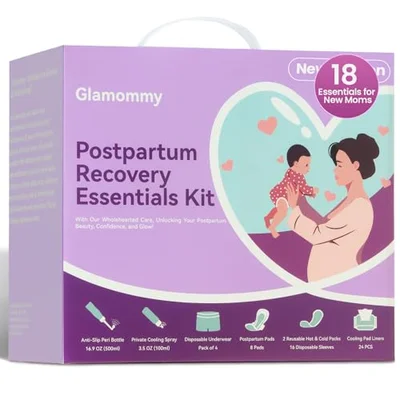
A complete recovery kit takes the guesswork out of pulling this all together yourself, which is the last thing you need to be doing at 39 weeks.

Perineal Care: The Bit Everyone Avoids Talking About
Right, let us just get into it. Whether you have had a tear, an episiotomy, or neither, your perineal area is going to be sore after a vaginal birth. Sitting down will feel like an event. Going to the loo will be an exercise in deep breathing. And nobody warns you about the first post-birth wee. It stings. A lot.
A peri bottle (a small squeeze bottle you fill with warm water and use while you wee) is an absolute game-changer. The warm water dilutes the urine so it does not sting against any grazes or stitches. It sounds basic, but multiple midwives will tell you it is the single most useful thing in your recovery kit. 💧
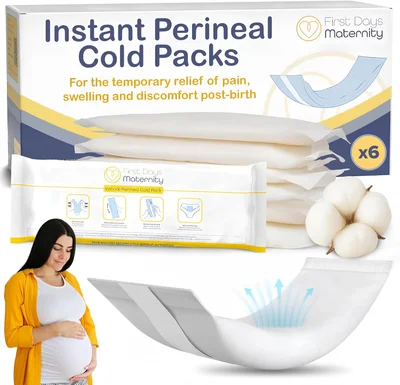
Ice packs designed for the perineal area are another lifesaver. They reduce swelling, numb the soreness, and just generally make everything feel less angry. Pop one in your pants (wrapped in a thin cloth) and you will feel an immediate difference.
Witch hazel pads are worth mentioning too. They are cooling, soothing, and you can layer them on top of your maternity pad for extra relief. Some mums pop them in the fridge first for maximum effect.
Your Belly After Birth
Your bump does not disappear overnight. This surprises a lot of people. You will probably still look about six months pregnant when you leave the hospital, and that is completely normal. Your uterus takes around six weeks to shrink back to its pre-pregnancy size, and your abdominal muscles have been stretched apart (this is called diastasis recti, and it is extremely common).
If you have had a C-section, your recovery is different and longer. You have had major abdominal surgery, and you need to treat it that way. Avoid lifting anything heavier than your baby, take the painkillers your team prescribes, and let people help you.
A postpartum belly wrap can provide gentle support to your abdomen while everything heals. It is not about "bouncing back" or fitting into pre-pregnancy jeans. It is about giving your core some stability when it needs it most, especially useful when you are getting in and out of bed multiple times a night.
Breastfeeding: Your Body Is Still Doing the Work
If you are breastfeeding, your body is now running a 24-hour milk production facility. Which is amazing, but also means you need to look after yourself even more. Drink water like it is your job (keep a big bottle everywhere you sit). Eat proper meals, not just biscuits grabbed between feeds, although biscuits are also important.
Your breasts will change. They will feel enormous and hard when your milk comes in around day three. They might leak at unexpected moments, including in the middle of the night, in the supermarket, and once, memorably, during a Zoom call. Reusable nursing pads are a small thing that makes a big difference to your comfort and your laundry pile. 🥛
Getting comfortable while feeding is not a luxury, it is a necessity. You will be sitting (or lying) in feeding positions for hours every day, and your back, shoulders, and arms will tell you about it if your setup is wrong. A proper feeding pillow supports the baby at the right height so you are not hunching over, and your body will thank you for it.
Sleep, Rest, and the Art of Saying Yes to Help
"Sleep when the baby sleeps" is the most repeated and most unhelpful advice in parenting. Because when the baby sleeps, you need to eat, shower, stare at the wall, and possibly cry about that cat food advert again. But rest genuinely does matter for recovery, and it is worth being strategic about it.
If someone offers to hold the baby while you nap, say yes. If someone offers to bring food, say yes. If someone offers to do a load of washing, say yes and also ask them to hang it up because that is the bit that actually takes forever. This is not the time to be a hero. Your body is healing. Accept the help.
When you do get a chance to lie down, blackout curtains or a good sleep mask can make daytime naps actually feel restorative instead of just lying there with the sun in your eyes wondering if that was a cry or the neighbours.
The Things That Are Not in Any Kit
Recovery is not just physical. The emotional side of having a baby is enormous, and it catches a lot of people off guard. Feeling overwhelmed, weepy, anxious, or just a bit lost in the first couple of weeks is so common it has a name: the baby blues. It usually passes within two weeks.
If it does not pass, or if you feel persistently sad, anxious, or disconnected, talk to your midwife or GP. Postnatal depression and anxiety are medical conditions, not personal failures, and they are very treatable. You are not being dramatic. You are not failing. You are asking for help, which is the bravest and most sensible thing you can do. ❤️
Your Recovery Checklist
Here is a quick list to tuck into your hospital bag or stick on the fridge:
- Maternity pads (the big ones, at least two packs)
- Comfortable high-waisted underwear (cheap and disposable is fine)
- Peri bottle for loo trips
- Perineal cold packs or witch hazel pads
- Nipple cream if breastfeeding
- Nursing pads (reusable or disposable)
- A feeding pillow for comfortable positioning
- Belly wrap for abdominal support
- Paracetamol and ibuprofen (check with your midwife)
- A massive water bottle you can open one-handed
- Snacks. So many snacks.
Your baby's arrival is going to be wonderful and chaotic and exhausting and beautiful. But you are part of that story too. Looking after yourself is not selfish. It is how you make sure you are well enough to enjoy it.
Want to add these recovery essentials to your wishlist? Pop them on your BubsNest registry so the people who keep asking "what do you need?" finally have an answer. 💜
Ready to Create Your Baby Registry?
Start your free baby registry today and share it with friends and family.
Get Started Free