Setting Up Your Nursery: What Actually Goes in the Room (and What You Can Skip)
A no-overwhelm guide to setting up a nursery that works for real life, not just Instagram. What you genuinely need, what can wait, and where to save your money.
You have been staring at Pinterest boards for three weeks now. The neutral-toned nursery with the dried pampas grass and the perfectly folded muslins arranged in a wicker basket? Gorgeous. Also completely unrealistic when there is a nappy bin in the corner and you have got 47 browser tabs open trying to work out what tog rating actually means.
Here is the thing: your baby does not care about your colour scheme. They care about being warm, safe, fed, and close to you. So while a beautiful nursery is lovely (and you absolutely deserve one), the setup that matters is the practical one. The stuff that makes those 3am feeds slightly less chaotic and those nappy changes slightly less of a scavenger hunt.
This is your honest guide to what actually belongs in the nursery, what can wait until you know your baby, and where your money is genuinely well spent. No fluff, no sponsored "must-have" lists with 47 items. Just the real stuff. 🏠
The Sleeping Setup: Get This Right First
This is the big one, and it is worth getting right before anything else. Your baby will spend more time sleeping than doing literally anything else for the first few months, so the cot situation deserves your attention.
The cot (or cot bed)
A cot bed is the most popular choice for UK parents because it converts into a toddler bed later, meaning you are not buying two pieces of furniture. Look for adjustable mattress heights (you will want it higher for the newborn stage when you are leaning in forty times a night, then lower it once they can pull themselves up).
You do not need to spend a fortune here. A sturdy cot bed with good ventilation slats and a solid mattress underneath it will do more for your baby's sleep than any amount of aesthetic detailing.
The mattress
This is where you should spend your money if you are going to splurge anywhere. A firm, flat mattress that fits the cot snugly with no gaps is non-negotiable. Waterproof covers are a lifesaver because at some point, there will be a nappy leak at 2am and you will be very glad you do not have to strip the entire bed down to the foam.
Bedding: less than you think
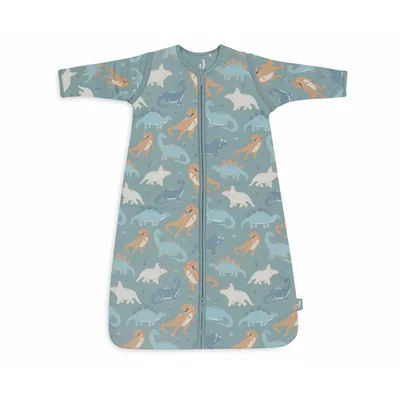
You need fitted sheets (grab 3-4 because the laundry cycle is relentless) and a sleeping bag or two. That is genuinely it. No pillows, no duvets, no bumpers, no loose blankets in the cot. Current safe sleep guidance is clear on this, and it makes your life easier too because there is less to wash.
Sleeping bags are brilliant because babies cannot kick them off. Look for the right tog for the season, 1.0 tog for summer and 2.5 tog for winter, and make sure the neck opening is snug enough that your baby cannot wriggle down inside it.

The Changing Corner: Keep It Simple
You have two choices here: a dedicated changing table or a changing mat on top of a chest of drawers. Most parents end up preferring the chest of drawers route because once the changing stage is over (and it ends sooner than you think), you are left with useful furniture rather than an expensive shelf you need to sell on Facebook Marketplace.
The changing mat
A wedge-shaped changing mat with raised sides is the sweet spot. It keeps your baby from rolling sideways while you are reaching for a fresh nappy, and the wipeable surface means cleanup takes seconds rather than minutes. Keep it simple, keep it practical.
The supplies within arm's reach
Stock a small basket or caddy next to the changing mat with nappies, wipes, nappy cream, a couple of muslin squares, and a change of clothes. The golden rule of nappy changing is this: never walk away from the mat to fetch something. Everything needs to be grabbable with one hand while the other hand stays on your baby. 🧴
The Monitoring Setup: Peace of Mind Without the Paranoia
A baby monitor is one of those things that feels optional until the first time you put your baby down for a nap and realise you cannot actually hear the nursery from the kitchen. Suddenly it feels extremely essential.
What kind of monitor?
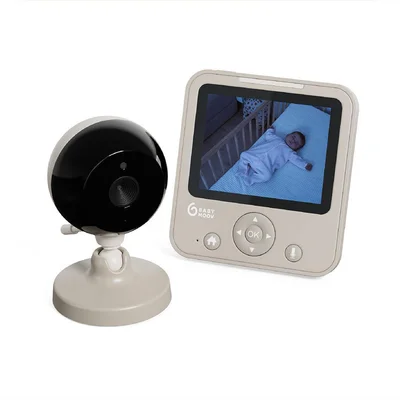
Audio-only monitors are perfectly fine for most families and significantly cheaper. But if you are the type who will lie in bed wondering whether your baby is still breathing (and honestly, most of us are), a video monitor gives you that visual reassurance without having to tiptoe down the hall and risk waking them up.
Look for one with a decent night vision camera, a parent unit that does not drain batteries in three hours, and a range that actually covers your house. Wi-Fi monitors let you check in from your phone, but a dedicated parent unit means no app crashes at inconvenient moments.
Room thermometer
The recommended room temperature for a sleeping baby is between 16 and 20 degrees. That sounds straightforward until you realise that UK houses can swing wildly between freezing and tropical depending on the season, the radiator, and whether the sun hits that particular window.
A room thermometer takes the guesswork out of the "is it too hot or too cold" anxiety loop. Some sit on a shelf, some clip to the cot, and some connect to your phone. All of them do the same job: tell you the number so you can pick the right tog sleeping bag and stop second-guessing yourself.


What You Can Honestly Skip (For Now)
This is the section your bank account will thank you for.
A nursing chair. Lovely to have, not essential to buy before the baby arrives. Plenty of parents nurse perfectly happily on the sofa, in bed, or in a regular armchair with a cushion behind their back. If you want one, wait until you know whether you will actually use the nursery for night feeds or whether you will end up feeding in your bedroom (spoiler: most people feed in their bedroom for the first few months).
A wardrobe. Newborn clothes are tiny. A chest of drawers handles everything. You can add a wardrobe later when they are a toddler with opinions about which wellies to wear.
Blackout blinds. Useful eventually, but many newborns sleep through anything for the first 8 weeks. A temporary blackout blind or even a dark sheet pinned over the window works until you know whether your baby is light-sensitive.
A nappy bin. Controversial, but a regular pedal bin with a lid and a bin bag works fine. The fancy ones that individually wrap each nappy are clever, but the refill cassettes add up over time. Try the simple approach first.
The Layout That Actually Works
Forget the Pinterest-perfect room tours for a moment. Here is what matters when you are arranging the furniture:
- Cot away from the window. Drafts, direct sunlight, and blind cords are all things you want nowhere near the sleeping area.
- Changing area near the door. When you are stumbling in at 2am, the shorter the distance between you and the nappies, the better.
- A dim light source. Not the main overhead light, which will wake everyone up. A small plug-in night light or a lamp with a low setting gives you enough visibility for feeds and changes without turning the room into a floodlit stadium.
- A chair or feeding spot. Even if it is just a beanbag or a floor cushion for now. Somewhere comfortable to sit while you feed, wind, or just hold your baby at silly hours.
When to Set It All Up
Most parents aim to have the nursery ready by around 34-36 weeks. That gives you a buffer in case baby arrives early, without spending your entire second trimester building flat-pack furniture when you would rather be eating biscuits on the sofa.
The honest truth? Your baby will probably sleep in your room for the first six months anyway (that is the current recommendation). So the nursery does not need to be perfect on day one. It needs to be safe, functional, and ready for when you eventually make the move.
Start with the cot, the mattress, and the changing setup. Add the monitor when you start using the room. Fill in the extras once you know what your baby actually needs, because every baby is different and the one thing guaranteed about parenthood is that your carefully researched plan will need adjusting.
And that Pinterest nursery? You will get there. It just might have a few more muslin squares draped over things than the photo suggested. ✨
Ready to start building your nursery wishlist? Create your BubsNest registry and let friends and family help with the big stuff.
Ready to Create Your Baby Registry?
Start your free baby registry today and share it with friends and family.
Get Started Free