Splash Safely: A Calm, Step-by-Step Guide to Safe Bath Time for Babies
From running the water to lifting out a slippery baby, here is a calm, step-by-step plan for safe, happy bath time.
The bath is run. The towel is warming on the radiator, the little rubber duck is bobbing about, and your baby is kicking happily in a few inches of water.
Then the doorbell goes. 🛁
What you do in the next two seconds is the single most important bath-time skill there is. And the answer is simple: either ignore it, or scoop your baby up in a towel and take them with you. Every time. Even if it is "just the parcel".
Bath time is one of the loveliest parts of the day, and it really does not need to feel scary. A bit of set-up and a few habits make it calm, safe and properly fun. Here is how a safe bath goes, one step at a time.
Step 1: Before you run a drop
The secret to a safe bath is never needing to step away. So gather everything first, before the tap goes on.
- Towel (hooded ones are brilliant for keeping little heads warm)
- Clean nappy and clothes for afterwards
- Cotton wool or a soft flannel
- Any gentle baby wash you use (plain water is fine for newborns)
- Your phone on silent, or in another room entirely
Lay it all out within arm's reach. If you have to lean away from the bath to grab something, it is too far.
Think about the room too. A warm bathroom stops your baby getting chilly the moment they come out. Close the window, pop the heating on for a bit beforehand if it is a cold evening, and keep hair dryers and other electrics well away from the water.
Step 2: Getting the water right
Here is the bit that matters most. Babies' skin is much thinner than ours, so water that feels pleasantly warm to you can be too hot for them.
The general guidance is to aim for around 37°C, roughly body temperature. A few habits help:
- Cold first, then hot. Run the cold tap first and top up with hot, so there is never a pool of scalding water at the bottom.
- Mix it well. Swish the water around with your hand so there are no hot spots lurking.
- Test it. Dip your elbow or the inside of your wrist in. It should feel warm, never hot.
- Never top up with hot while baby is in. Add it before they go in, not during.
The elbow test is a classic for a reason, but a bath thermometer takes the guesswork out, especially when you are tired and your sense of "warm" has gone a bit wonky. A floating one that sits in the water the whole time is handy, because you can glance at it without reaching for anything.
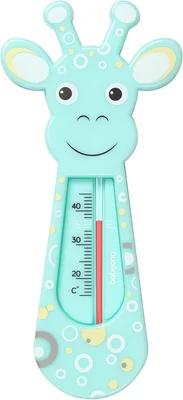

Depth matters too. Babies only need a few centimetres of water, enough to keep them warm without covering them. As a rough guide, around 5 to 8cm is plenty for a little one, and you can go a bit deeper (around waist height when sitting) once they can sit up steadily on their own.
Did you know the hot water from your tap can be much hotter than bath temperature? If you are not sure how hot yours runs, it is worth asking a plumber about a thermostatic mixing valve, which caps the temperature at the tap.
Step 3: In the water
Lower your baby in slowly, feet first, supporting their head and shoulders with one arm. Talk to them, sing a bit, keep eye contact. Lots of babies find the first few baths a surprise, and your calm voice really helps.
And now the golden rule:
Never leave a baby or young child alone in the bath. Not for a second.
Not to grab a towel, not to answer the door, not to check on a sibling. Babies can slip under very quickly and silently, in very little water. It is also not a job to hand to an older brother or sister, however grown-up they feel.
Bath supports and seats can be a real help, especially in a big family bath where your back is doing a lot of work. They hold your baby at a comfy angle and free up a hand for washing. But they are a helping hand for you, not a safety device. You still need to be right there, with a hand on or near your baby, the whole time.

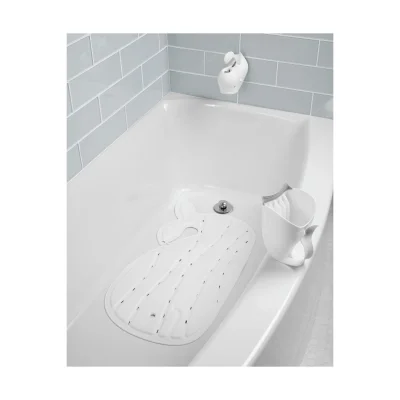
Once your little one moves into the big bath, a non-slip mat on the bottom stops them sliding about as they wriggle, splash and try to stand up (they will try to stand up 😅).
Keep baths short and sweet, especially in the early weeks. Five to ten minutes is plenty. Newborns do not need a bath every day either, two or three times a week with a top and tail in between is completely fine.
Step 4: Out, dry and cosy
Lifting a wet, wriggly baby out of the bath is the moment most parents feel least confident. They are slippery! Have your towel open and ready before you lift.
Scoop them up with one hand under their bottom and the other supporting their head and shoulders, then wrap them straight away. A towel you can wear like an apron is a lovely trick here, because both hands stay free for the lift and your baby lands straight into a warm hug.
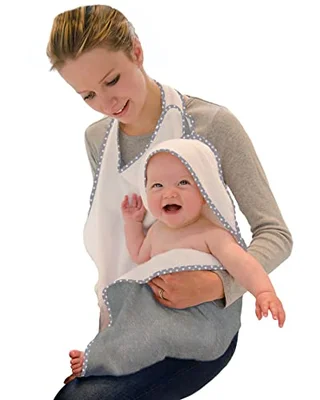
Pat dry gently, paying attention to the creases (necks, armpits, behind the ears, little chubby thighs). Then get a nappy on fairly quickly, unless you fancy a surprise. 😄
Finally, pull the plug once baby is safely out of the room or securely in your arms, and empty any baby bath or bucket straight after. Standing water is a risk once you have a curious crawler.
The quick checklist
- Everything within reach before the tap goes on
- Cold in first, then hot, mixed well
- Around 37°C, warm not hot on your elbow
- A few centimetres of water for little ones
- Never, ever leave them alone
- Towel open before you lift
- Empty the bath straight away
If you ever have questions about your baby's skin, a rash, or anything that does not seem quite right after a bath, have a chat with your GP or health visitor. They have seen it all and are always happy to help.
Building your list of bath-time bits? Pop the thermometer, towel and bath support onto your BubsNest wishlist so friends and family know exactly what will actually get used. Happy splashing! 💛
Ready to Create Your Baby Registry?
Start your free baby registry today and share it with friends and family.
Get Started Free