Baby Comforters: Why That Scruffy Little Lovey Matters More Than You Think
Baby comforters are more than cuddly toys. Here is why your little one gets so attached, when to introduce one, and how to choose the perfect lovey.
Somewhere in a supermarket near you, a toddler is having an absolute meltdown because their ratty, faded, slightly mysterious-smelling bunny has fallen out of the pushchair. Their parent is retracing five aisles in a cold sweat. If you have never witnessed this particular brand of panic, just wait. And if you have ever wondered why a small scrap of fabric can hold so much power over a tiny human, you are about to find out.
Baby comforters, also called loveys, security blankets or transitional objects (if you want to sound fancy at baby group), are one of the most underrated items on any baby checklist. They are small, they are soft, and they can become the single most important thing your child owns. Here is everything you need to know. 🧸
What Actually Is a Baby Comforter?
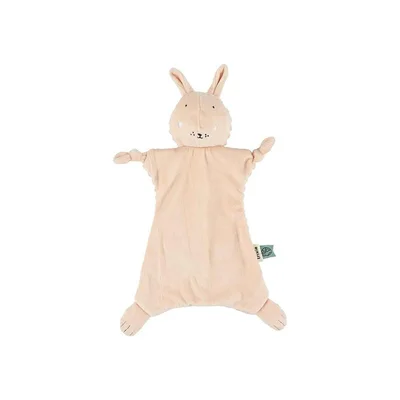
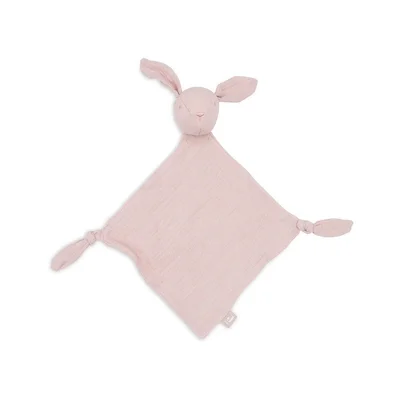
A baby comforter is a small, lightweight piece of fabric, sometimes attached to a soft toy head or with knotted corners, designed to be cuddled, chewed, sniffed and generally loved to within an inch of its life. They are not the same as full-sized blankets or large stuffed animals. Think: palm-sized soft square with a bunny head on top, or a flat little bear with crinkly ears.
The key features are that they are small enough for tiny hands to grip, light enough to be safe near a sleeping baby (when age-appropriate), and washable enough to survive the kind of love only a baby can deliver.
Why Babies Get So Attached
This is where it gets genuinely interesting. Developmental psychologists call comforters "transitional objects," a term coined by paediatrician Donald Winnicott back in the 1950s. The idea is beautifully simple: a comforter bridges the gap between your baby feeling safe in your arms and learning to feel safe on their own.
When your baby cuddles their lovey, it smells like home. It feels familiar. It represents you when you are not right there. That is why bedtime, nursery drop-offs and new situations become so much easier when that little scrap of fabric comes along for the ride.
Research consistently shows that children who have a comfort object tend to self-soothe more easily and cope better with new environments. It is not a sign of clinginess or insecurity. Quite the opposite, it is actually a sign that your baby is developing healthy coping strategies. 💛
When to Introduce a Comforter
Most experts suggest introducing a comforter from around six months. Before that, safe sleep guidelines recommend keeping the cot clear of any loose items, including comforters. From six months, your baby has developed enough motor control to move objects away from their face, making a small, lightweight comforter safe for supervised use.
The trick is to start early in the process. Tuck the comforter between you and your baby during feeds so it absorbs your scent. Sleep with it yourself for a night or two before giving it to them. This transfers your smell onto the fabric, which is the real magic ingredient. Your baby does not care about the brand or the pattern. They care that it smells like you.
Some parents introduce one as early as three or four months during awake, supervised cuddle time, then let it become a sleep companion once baby is old enough. There is no hard deadline. Let your baby lead.
What to Look For
Not all comforters are created equal. Here is what actually matters when you are choosing one.
- Size: Small and flat is best. Your baby needs to be able to grab it, hold it, and pull it away from their face easily. Avoid anything bulky.
- Fabric: Soft, breathable materials like cotton, muslin or organic jersey. Some comforters have different textures on each side, which babies love exploring.
- Washability: This will be washed more times than you can count. Machine washable at 40 degrees is non-negotiable.
- Safety: No buttons, beads, ribbons or anything that could come loose. Look for CE-marked products tested to EN 71 safety standards. If it has a toy head attached, make sure the eyes are embroidered, not plastic.
- Simplicity: The fancier the comforter, the harder it is to replace. Choose something that is widely available and preferably comes in a multi-pack.

The Buy-Two Rule (Trust Us on This One)
Here is the single most important piece of advice in this entire article: buy two. Or three. Buy as many identical comforters as your budget allows and rotate them from the start.
Why? Because the day will come when that comforter goes missing, or gets left at a restaurant, or needs an emergency wash at midnight after a spectacular nappy blowout. And if your baby has only ever known one, there is no substitute on earth that will do. The screaming will be legendary.
By rotating from the beginning, each comforter wears at the same rate and absorbs the same amount of scent. Your baby will never know the difference. Your future self will thank you profusely for this one.

Our Favourite Comforters Right Now
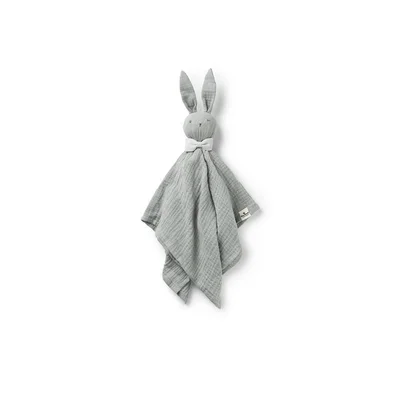
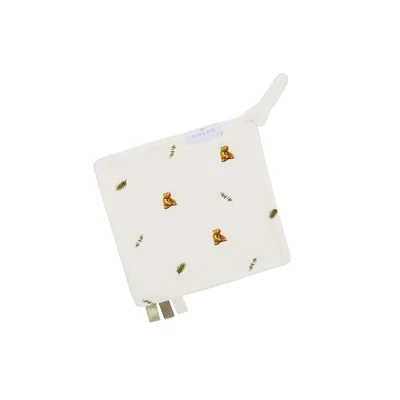
There are some genuinely lovely options out there, from simple muslin squares with knotted corners to beautifully designed character comforters. The best one is the one your baby falls in love with, but these are worth a look if you are starting your search.
Scandinavian brands tend to nail the balance between beautiful design and practical safety features. Look for soft, muted colours and embroidered details rather than sewn-on parts. If you are adding a comforter to your BubsNest wishlist, it makes a brilliant gift suggestion too, because whoever buys it can grab the spare at the same time.
A Note on Safety
Safe sleep guidance is clear: for babies under six months, the cot should contain nothing except a firm, flat mattress and a fitted sheet. No comforters, no toys, no loose blankets.
From six months, a small, lightweight comforter is generally considered safe for sleep. If you are unsure, speak to your health visitor or GP. And always check that any comforter you buy meets current safety standards. Look for the CE mark and check for any small parts that could come loose.
One more thing: if your baby is in a sleep bag, a comforter is a great addition because it gives them something to hold and snuggle without the risk of a loose blanket.
When They Will Not Let Go
Fast forward a couple of years and you might find yourself wondering whether your child will ever give up that increasingly threadbare, suspiciously grey, used-to-be-white bunny. The short answer: they will. Eventually.
Most children naturally reduce their reliance on a comforter between ages three and five. Some keep theirs tucked under a pillow well into primary school, and that is completely normal too. There is no rush. The comforter did its job, it helped your child learn to self-soothe, and that skill stays with them long after the bunny retires to a memory box.
For now, embrace the lovey. Buy the backup. And if it goes missing in the cereal aisle, may the odds be ever in your favour. 🐰
Ready to Create Your Baby Registry?
Start your free baby registry today and share it with friends and family.
Get Started Free