Look, Listen, Wriggle: Playtime Ideas for Your Newborn's First Three Months
What do you actually do with a tiny baby who mostly sleeps and feeds? Simple, sense-by-sense play ideas for the first three months, plus the few bits of kit worth having.
So what exactly are you supposed to do with a two-week-old all day?
They sleep. They feed. They fill nappies with alarming enthusiasm. And in the little gaps in between, they stare at you with those big, slightly cross-eyed baby eyes, as if waiting for the entertainment to start. 👀
Here's the lovely news. You are the entertainment. And it takes far less effort than you'd think.
Newborn "play" isn't about toys or timetables. It's about tiny, gentle moments that feed your baby's senses while they work out this big, bright, noisy world. A minute here, two minutes there. That's it.
We've organised this guide by sense, so you can dip in whenever you've got a happy, awake baby and five spare minutes.
Eyes: what your newborn can actually see
Newborns are quite short-sighted. They see best at around 20-30cm, which (handily) is roughly the distance from your arms to your face during a feed. Coincidence? We think not.
In the early weeks, their eyes are also drawn to bold contrast. Soft pastels look pretty to us, but to a newborn they're a bit of a blur. Black and white stripes, spots and swirls? Now we're talking.
Easy ways to play with looking:
- Be the show. Hold your baby close and pull slow, exaggerated faces. Stick your tongue out and wait. Some babies try to copy, which is the cutest thing you'll see all week.
- Slow tracking. Move your face or a bold picture slowly from one side to the other and watch their eyes follow.
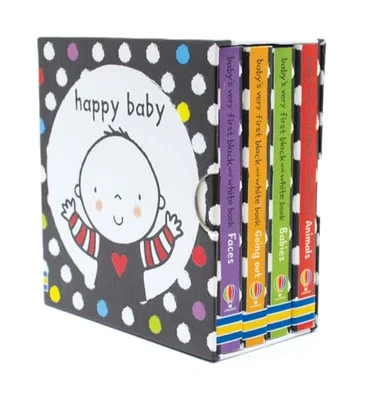
- Prop up a book. Stand a high contrast book open beside them during nappy changes or floor time.
A little stack of black and white board books is one of the most useful (and cheapest) bits of newborn play kit. They're sturdy enough for chubby fists later on, too.

Around six to eight weeks, many babies become fascinated by faces, including their own. A baby-safe mirror is brilliant for this. Your little one won't know it's them yet, but they'll happily chat away to "that other baby" for ages.

Ears: your voice is the best toy you own
Your baby has been listening to your voice for months already. In the outside world, it's still their favourite sound by a mile.
And no, you don't need a beautiful singing voice. Your baby is the least judgemental audience you'll ever have. 🎶
Ideas to try:
- Narrate your day. "Now we're putting the kettle on. Now we're finding a clean vest. Again." It feels silly, but it's pure gold for early language.
- Sing anything. Nursery rhymes, pop songs, the shipping forecast. Repetition is comforting, so pick a few favourites and stick with them.
- Have a "conversation". Talk, then pause. As the weeks go on, you'll notice coos and gurgles filling the gaps. Those are your baby's first replies.
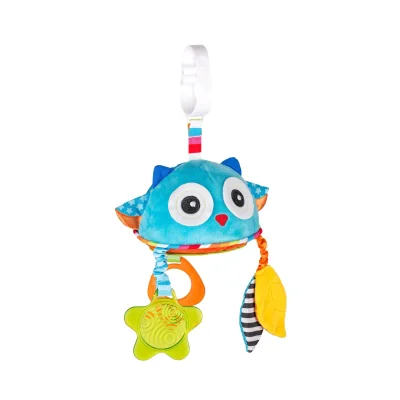
- Gentle new sounds. A soft shaker, crinkly fabric or a quiet rattle held to one side. Watch them try to turn towards it.
Keep it soft and calm. Newborns get overwhelmed quickly, and loud, flashing toys can be too much at this stage.
Hands and feet: touch, grip and discovery
Touch is how your baby makes sense of you. Skin-to-skin, cuddles and stroking all count as play, and they're wonderful for bonding.
Try these:
- Different textures. Gently stroke their palm or the soles of their feet with a soft muslin, a knitted toy or a silky label. Notice which ones get a reaction.
- The grip game. Pop your finger in their palm and feel that famous newborn grip. Over time, it becomes more deliberate.
- Bicycle legs. During nappy changes, gently cycle their legs while you chat or sing.
- Baby massage. A slow, gentle massage after a bath can be a lovely calm-down routine for both of you.
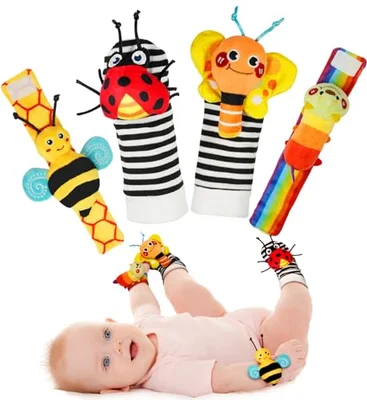
Somewhere around two to three months, your baby will discover they have hands. Cue lots of very serious staring at their own fingers. Wrist rattles and foot finder socks are a sweet way to help that along, because every kick and wave makes a little noise. Cause and effect, baby edition!
Whole body: floor time, kicking and tummy time
Babies need space to stretch, wriggle and kick. A safe spot on the floor is the best gym they'll ever have.
Lie them on their back on a clean blanket or play mat and let them wave their arms and legs about freely. Get down at their level and join in. You'll be amazed how quickly those flailing limbs become purposeful swipes.
Tummy time belongs here too. It helps your baby build the neck, shoulder and back strength they'll later use for rolling, sitting and crawling. Start with just a minute or two a few times a day, when they're awake and alert.
If your baby isn't a fan (many aren't at first), try these:
- Lie them on your chest while you recline. It still counts!
- Get down face to face so they've got something lovely to look at.
- Pop a high contrast book or mirror in front of them.
- Keep sessions short and stop before they get too cross.
A play gym is a lovely bit of kit for this stage. It gives your baby something interesting to look at and, a few weeks later, something to bat and grab. Many double up as a soft mat for tummy time, so it earns its floor space for months.


A quick safety note: floor play and tummy time are for when your baby is awake and you're right there with them. If they get sleepy, move them onto their back in their cot or Moses basket. And always place play mats on the floor, never on a sofa or bed.
Reading the signs: when to play, when to stop
The best time for play is when your baby is fed, comfortable and in that "quiet alert" state, eyes open and calm. Often that's just after a feed or a nap.
Newborns tire quickly, so watch for cues that they've had enough:
- Turning their head away
- Yawning, frowning or rubbing their eyes
- Arching their back or fussing
- Jerky, busy arm movements
When you see these, it's time for a cuddle and some quiet. Playtime with a newborn is often only a few minutes long, and that's completely normal.
Every baby develops at their own pace. If you have any questions about how your little one is getting on, your health visitor or GP is always happy to help.
Add the good stuff to your list
The truth is, most of the best newborn play costs nothing at all. Your face, your voice, your cuddles and a clean blanket on the floor do most of the heavy lifting. 💛
But a few simple extras, like a high contrast book, a baby mirror and a play gym, make it easier to mix things up as the weeks fly by. They also make brilliant gifts for friends and family who want to buy something your baby will genuinely use.
Pop them on your BubsNest registry and let your loved ones help you build a little play corner, ready for those wide-awake, wide-eyed moments.
Ready to Create Your Baby Registry?
Start your free baby registry today and share it with friends and family.
Get Started Free