Baby First Aid Basics Every Parent Should Know
A practical guide to the most common baby emergencies, from fevers and choking to bumps and burns, with step-by-step instructions and a checklist for your baby first aid kit.
Around 40% of parents admit they would not feel confident giving first aid to their own child. That is a striking number, especially when most common baby emergencies are manageable at home with a bit of knowledge and the right supplies. The good news: you do not need a medical degree. You just need a clear head, a few practised steps, and a well-stocked first aid kit within arm's reach.
This guide covers the everyday situations most likely to catch you off guard - from a sudden fever to a bumped head - along with exactly what to do, what not to do, and when it is time to call for professional help.
Build Your Baby First Aid Kit
Before anything else, put together a dedicated kit and keep it somewhere accessible (not buried under the bathroom sink). A good baby first aid kit should include:
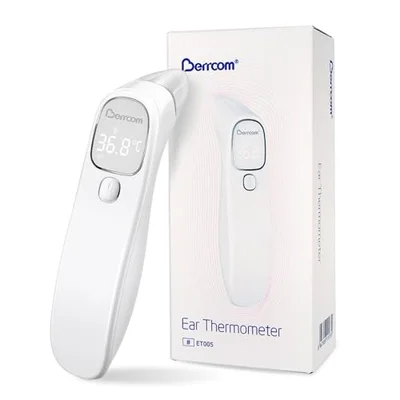
- Digital thermometer (forehead or ear for speed and accuracy)
- Sterile gauze pads and adhesive plasters in assorted sizes
- Antiseptic wipes and wound wash spray
- Tweezers and round-ended scissors
- Burn gel sachets
- Saline nasal drops or a nasal aspirator
- Infant paracetamol and ibuprofen (check age guidelines)
- A list of emergency numbers taped inside the lid
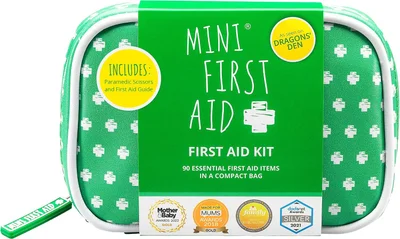

Keep a second, smaller kit in the changing bag or car. Running back upstairs mid-crisis is the last thing you want.
Fevers: When to Worry and When to Wait
A temperature of 38C or above counts as a fever in babies. It is the body's natural response to infection, so in itself it is not always cause for alarm. Here is a quick breakdown:
- Under 3 months with any fever: Contact your doctor or call 111 straight away. Do not wait and see.
- 3 to 6 months with a temperature above 39C: Seek medical advice the same day.
- Over 6 months: Manage at home if your baby is alert, feeding, and producing wet nappies. Offer fluids, dress them lightly, and give infant paracetamol or ibuprofen if they seem uncomfortable.
Avoid cold baths, fans blowing directly on your baby, or layering them in blankets to "sweat it out." A reliable thermometer takes the guesswork out of the picture entirely.
Choking: Stay Calm, Act Fast
Choking is one of the most frightening experiences for any parent, but knowing the correct response makes all the difference. For a baby under one year:
- Lay your baby face-down along your forearm, supporting their head with your hand. Keep their head lower than their bottom.
- Give up to five firm back blows between the shoulder blades using the heel of your hand.
- Turn them over (face-up on your thigh) and check the mouth. If you can see the object, carefully remove it. Never poke blindly with your fingers.
- If back blows have not cleared it, give up to five chest thrusts using two fingers on the breastbone, just below the nipple line.
- Alternate between back blows and chest thrusts. If the airway is still blocked after three cycles, call 999 immediately and continue until help arrives.
Prevention helps too. Cut grapes and cherry tomatoes lengthways, avoid whole nuts until age five, and keep small objects like coins and button batteries well out of reach.
Bumps and Falls
Once babies start rolling, crawling, and cruising, bumps become a near-daily event. Most are minor, but head injuries need extra attention.
What to do:
- Apply a cold compress (a bag of frozen peas wrapped in a muslin works well) for ten minutes to reduce swelling.
- Watch your baby closely for the next 24 to 48 hours.
Seek urgent help if your baby:
- Loses consciousness, even briefly
- Vomits more than once after the fall
- Seems unusually drowsy or difficult to wake
- Has a seizure
- Develops a swelling on the head that keeps growing
- Has clear fluid leaking from the nose or ears
Trust your instincts. If something feels off, it is always better to get checked than to wait.
Minor Burns and Scalds
Hot drinks are the most common cause of burns in babies and toddlers. If it happens:
- Cool the burn under cool (not cold) running water for at least 20 minutes. Do this even if your baby is crying - it genuinely limits the damage.
- Remove clothing or nappies near the burn, unless they are stuck to the skin.
- Cover loosely with cling film or a clean, non-fluffy material.
- Do not apply butter, toothpaste, or any home remedy. These trap heat and can cause infection.
Any burn larger than your baby's palm, or one on the face, hands, feet, or joints, needs medical attention.
Cuts, Scrapes, and Bleeding
Small wounds are usually straightforward:
- Clean the area with cooled boiled water or saline solution.
- Pat dry with sterile gauze and apply a plaster or dressing.
- For bleeding that will not stop, apply firm pressure with a clean cloth for at least ten minutes without peeking.
Head wounds tend to bleed dramatically even when they are superficial, so try not to panic. If the cut is deep, gaping, or longer than about 2cm, it may need medical closure.
Blocked Noses and Breathing Trouble
Babies breathe through their noses, so even a mild cold can make feeding and sleeping miserable. A nasal aspirator is one of those tools you did not know you needed until you really, really need it.
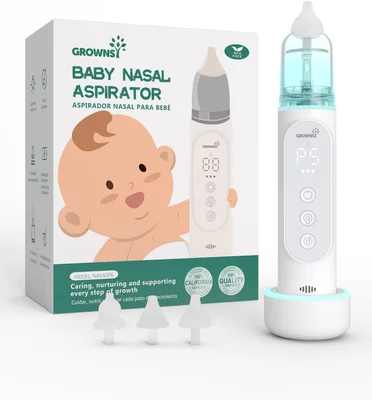
Use saline drops first to loosen mucus, then gently suction. Propping up the head end of the cot mattress slightly (with a folded towel underneath, not a pillow) can also help with drainage overnight.
If your baby is struggling to breathe, breathing very fast, or their ribs are pulling in with each breath, seek medical help immediately.
When to Call 999
Some situations are always an emergency. Call 999 or go to A&E if your baby:
- Is unresponsive or floppy
- Has a seizure for the first time
- Has difficulty breathing or turns blue around the lips
- Has a rash that does not fade when you press a glass against it
- Has swallowed something toxic, sharp, or a button battery
- Has a burn that blisters or covers a large area
One More Thing: Take a Course
Reading an article is a solid start, but practising on a dummy (the resuscitation kind, not the soothing kind) builds real confidence. Organisations across the UK run baby and child first aid courses - some in just two hours - and many are available online too. Consider booking one before your baby arrives, or within the first few months.
First aid knowledge is one of those things you hope you never need to use, but it changes everything when you do. A stocked kit, a calm approach, and a few practised steps can turn a scary moment into a manageable one.
Ready to Create Your Baby Registry?
Start your free baby registry today and share it with friends and family.
Get Started Free